
Chrysops (Deer Fly and Mango Fly)
Veterinary ParasitologyLearn about Chrysops (deer fly and mango fly), including its morphology, important species, veterinary importance, and role in transmitting Trypanosoma evansi, Loa loa, and tularemia.
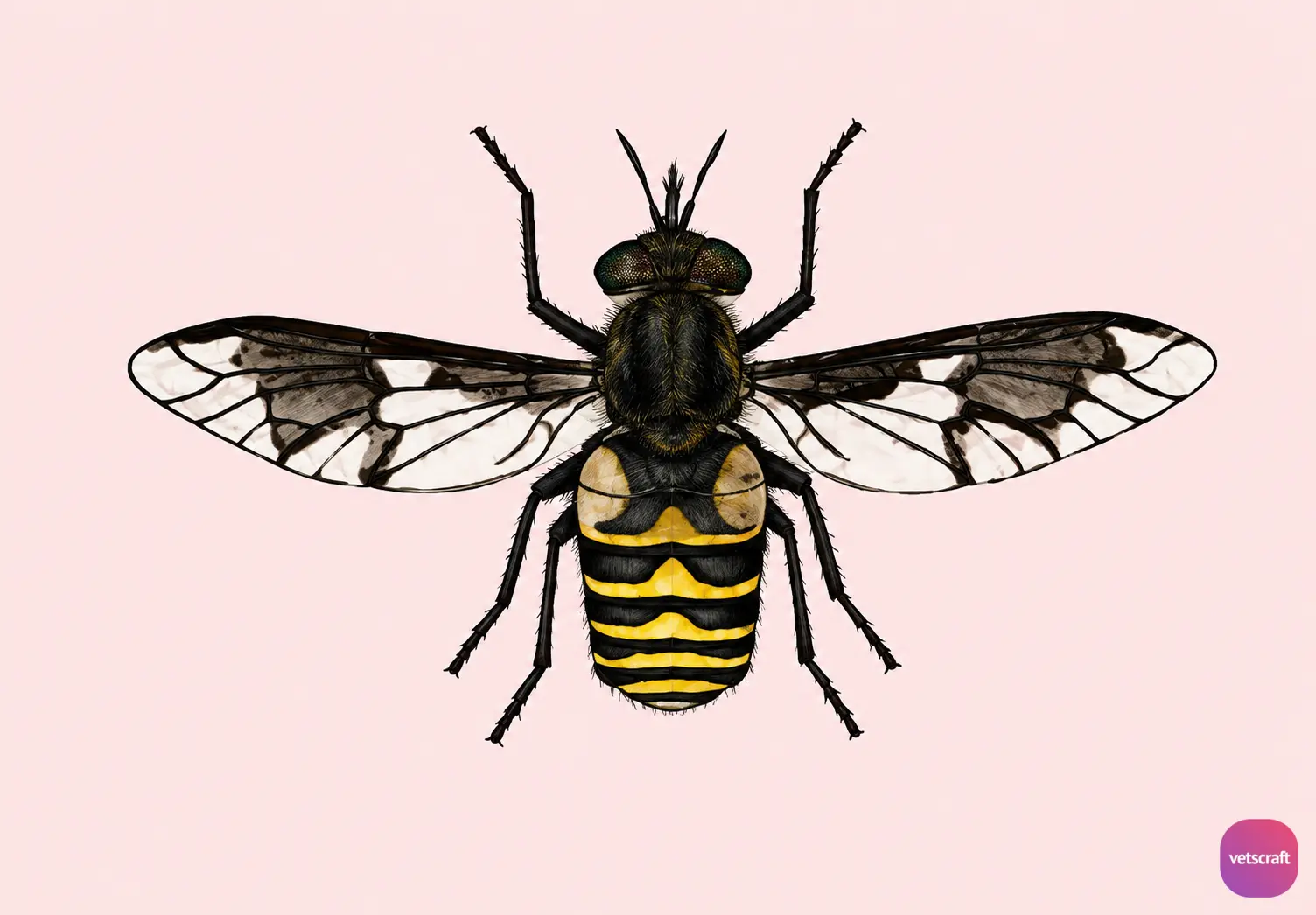
Learn about Chrysops (deer fly and mango fly), including its morphology, important species, veterinary importance, and role in transmitting Trypanosoma evansi, Loa loa, and tularemia.
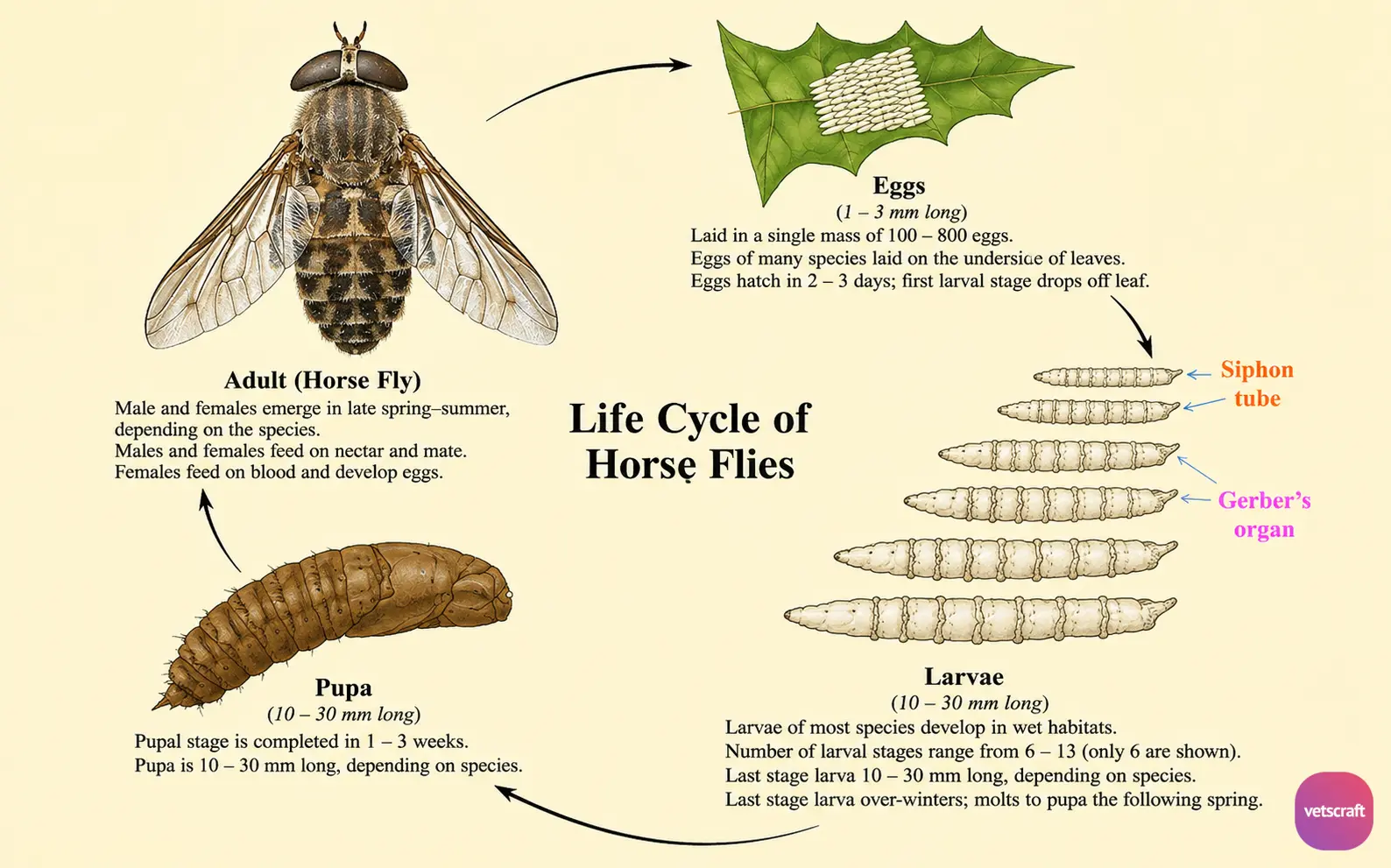
Learn about Tabanus (Horse Fly) in veterinary parasitology, including morphology, life cycle, pathogenesis, veterinary importance, and control measures.
Pentosan polysulfate sodium (PPS) is a chondroprotective agent used in animals (dogs, cats, horses, etc.) for the treatment of osteoarthritis and feline lower urinary tract disease (FLUTD).
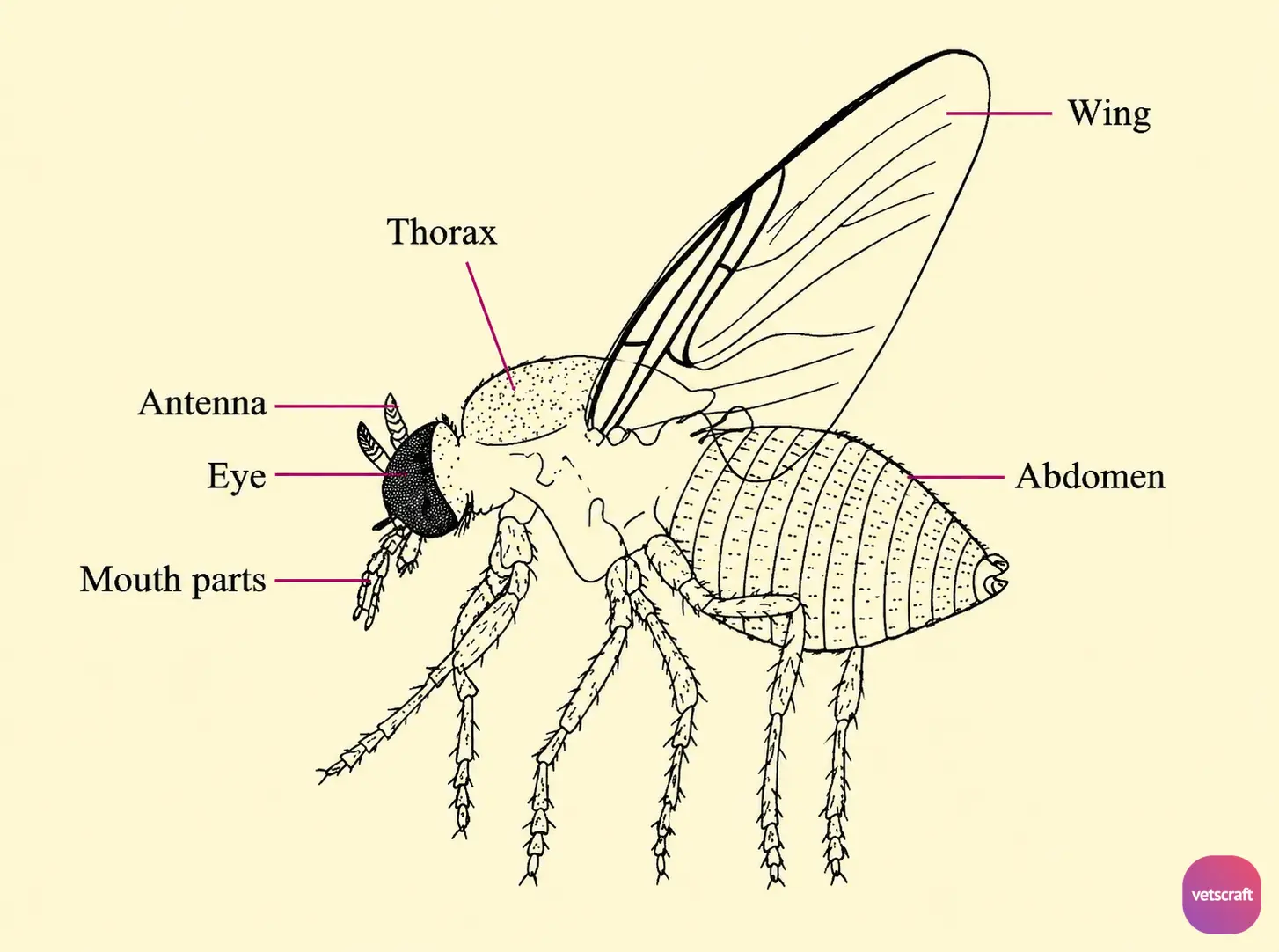
Learn about Simulium indicum (Black Fly), including its morphology, life cycle, pathogenesis, vector potentiality, and veterinary importance.
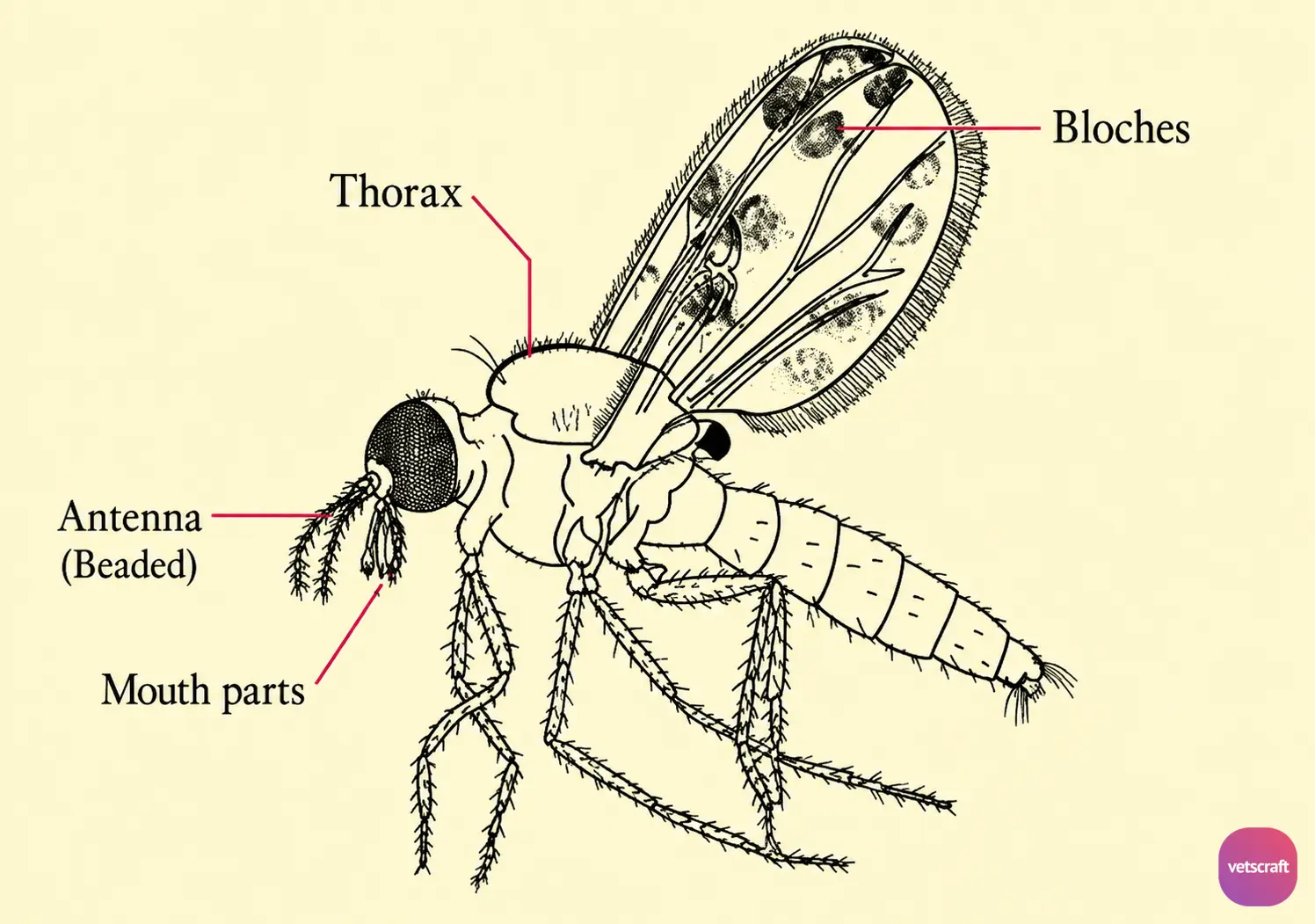
Complete veterinary notes on Culicoides fulvithorax (biting midges), covering morphology, life cycle, pathogenesis, and disease transmission.
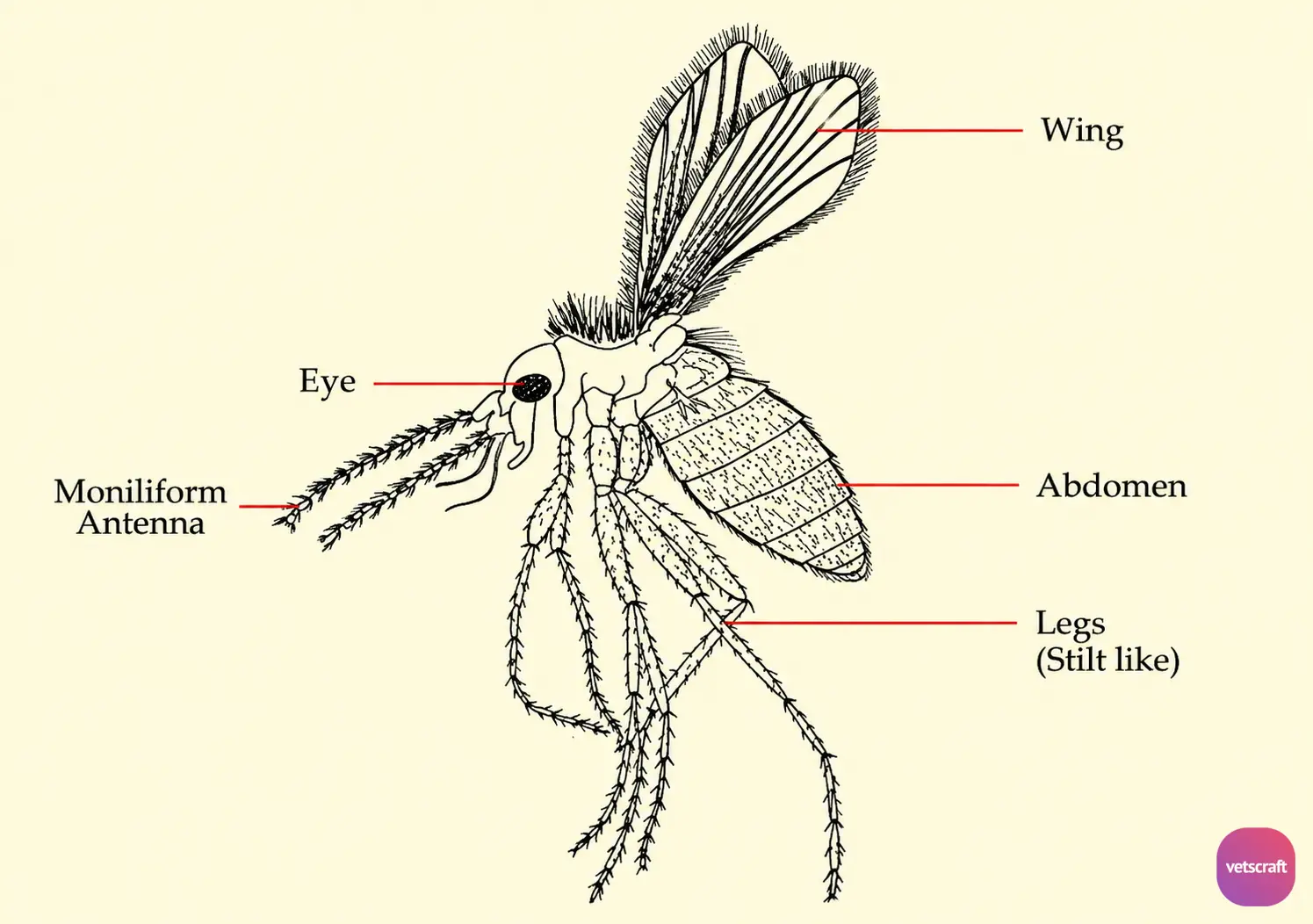
Learn about Phlebotomus (sand fly), including its taxonomy, morphology, life cycle, vector potential, diseases transmitted, and control measures.
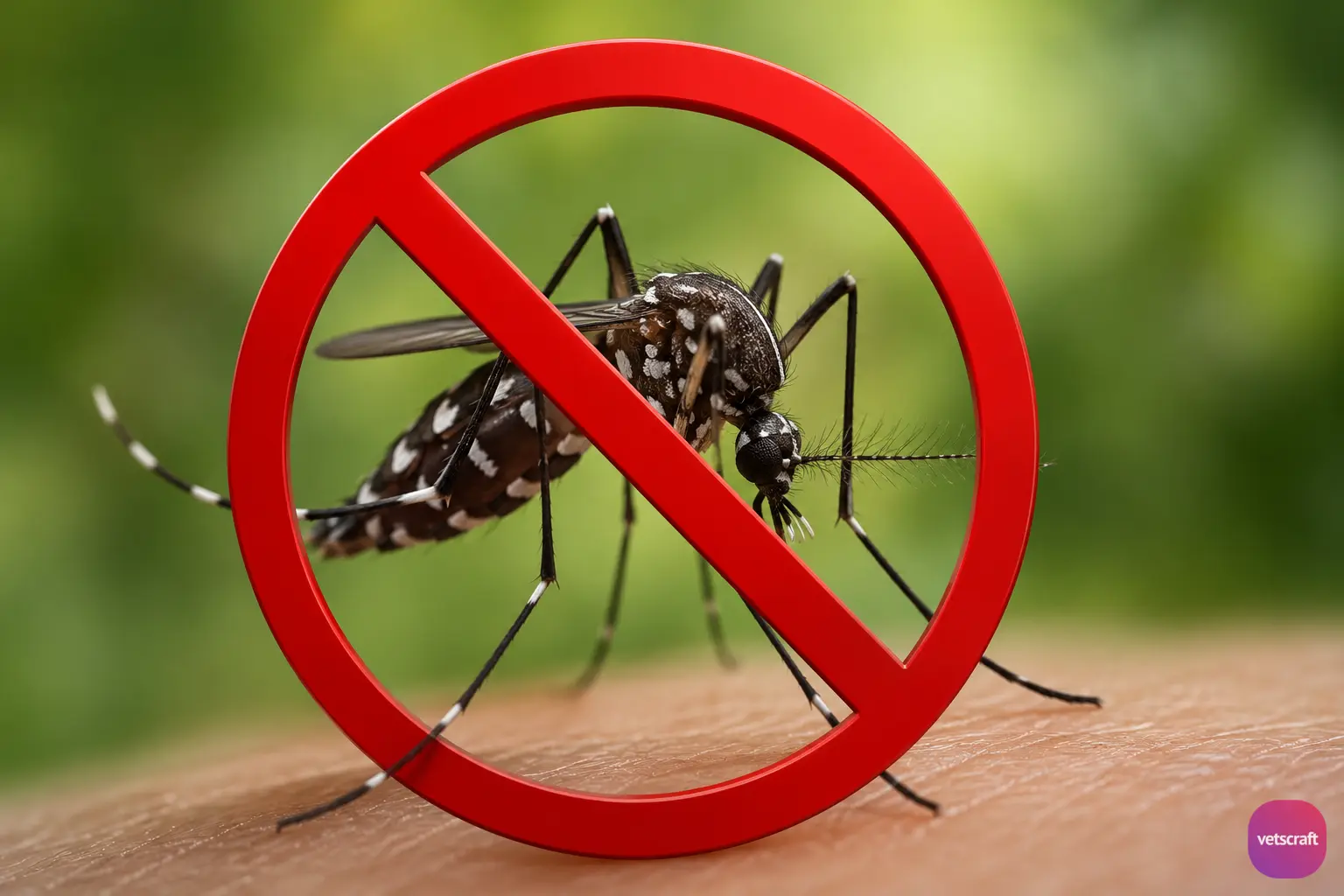
Learn effective mosquito management using chemical, biological, and environmental control methods. Explore larval and adult mosquito control strategies and prevention measures.
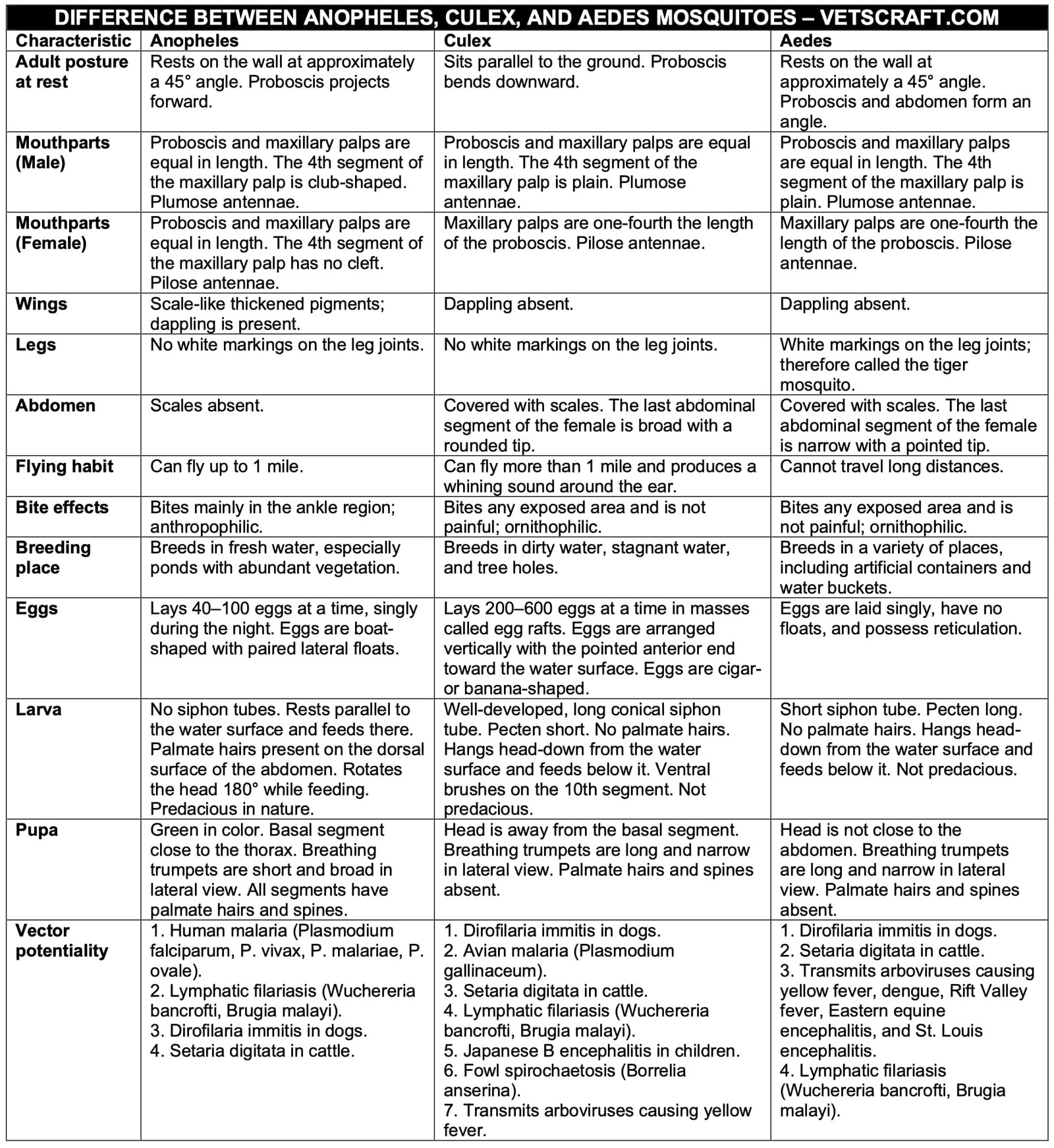
Learn the differences between Anopheles, Culex, and Aedes mosquitoes, including morphology, life cycle, breeding habits, identification, and vector potential.
Difference Between Anopheles, Culex, and Aedes Mosquitoes Read More »
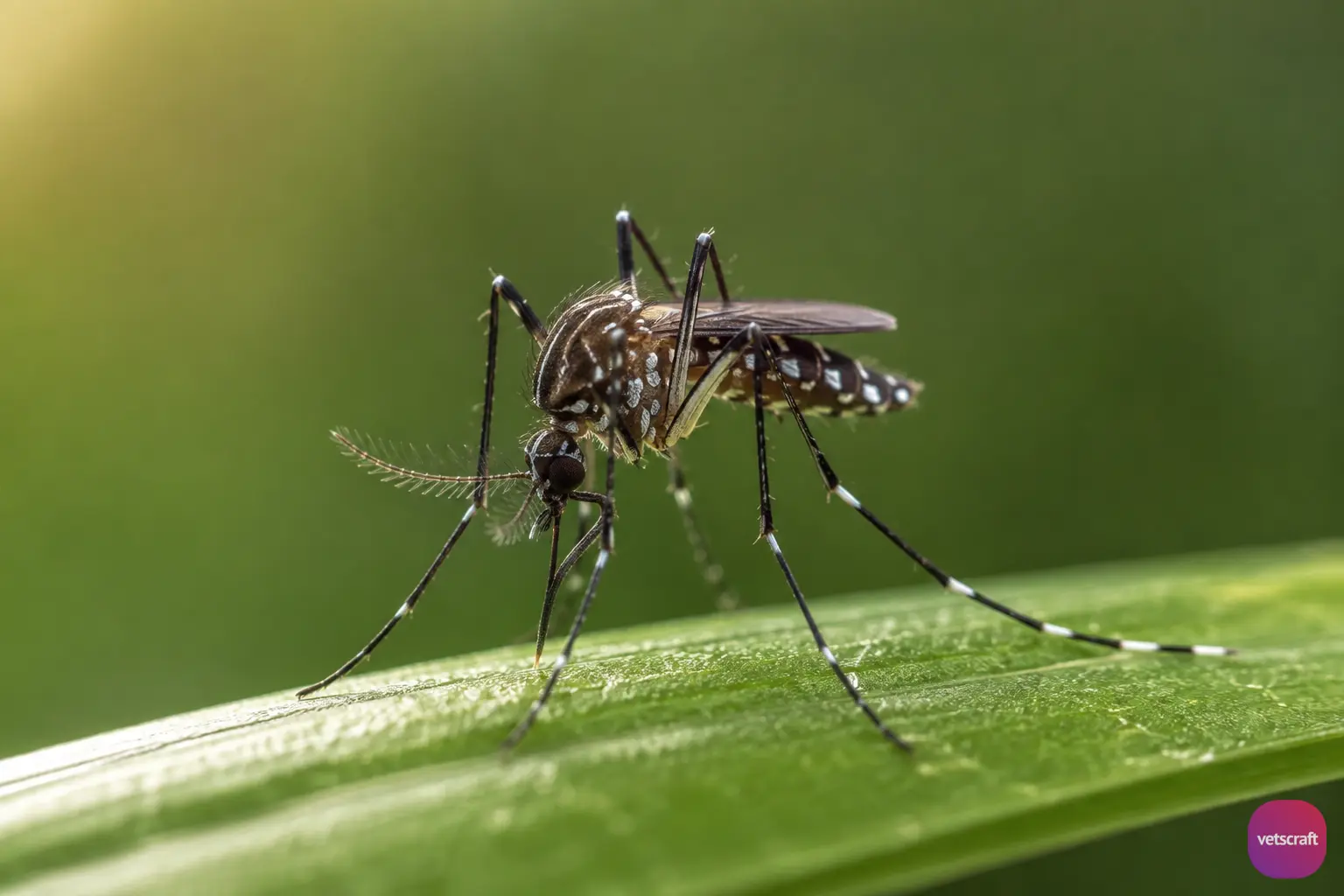
Learn the morphology, life cycle, and key characteristics of the Culicidae family (mosquitoes), including eggs, larvae, pupae, and adult anatomy.
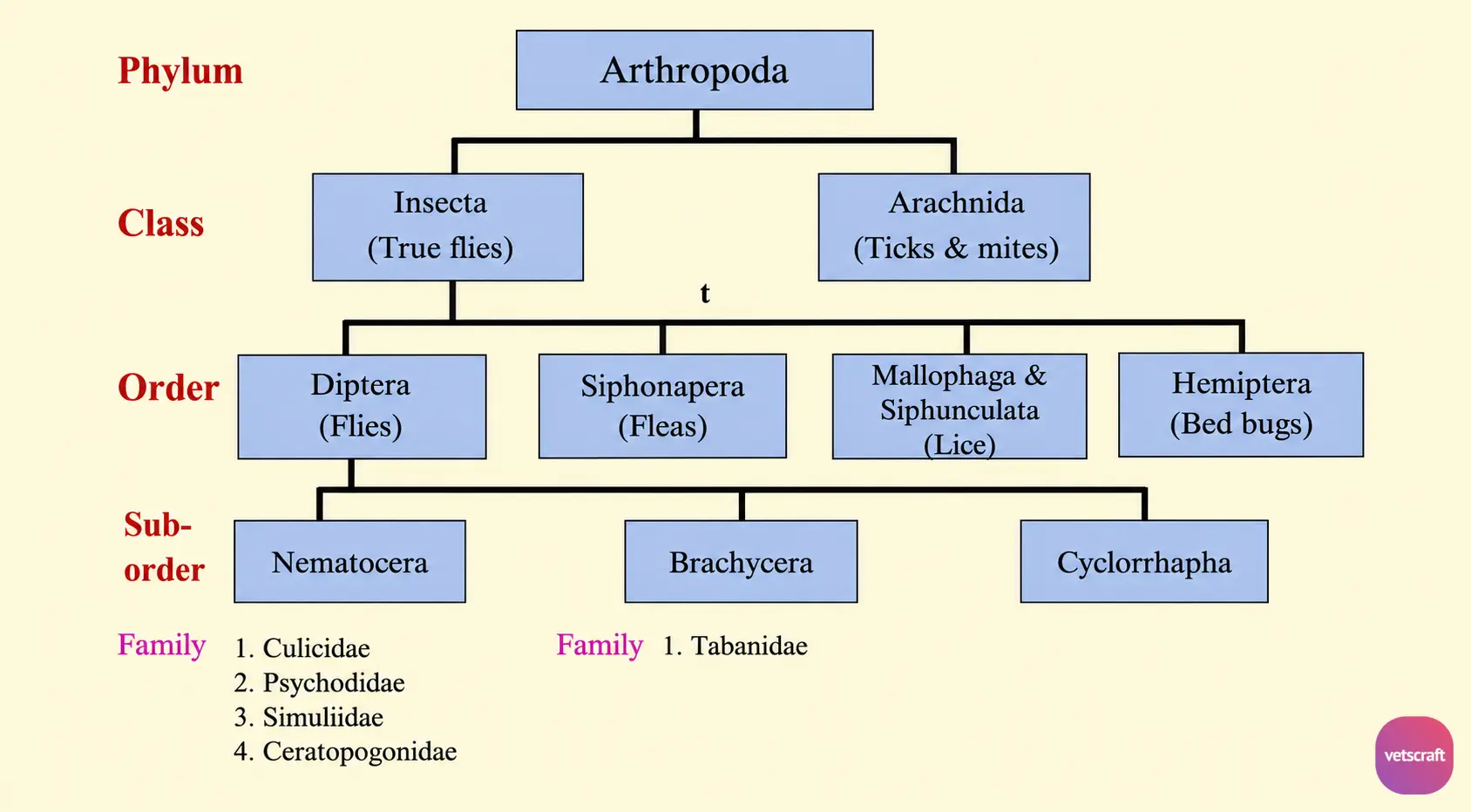
Learn about the Order Diptera (true flies), including their characteristics, classification, morphology, life cycle, and veterinary importance, with detailed notes and examples.