TABLE OF CONTENTS
Pentosan Polysulfate Sodium (PPS)
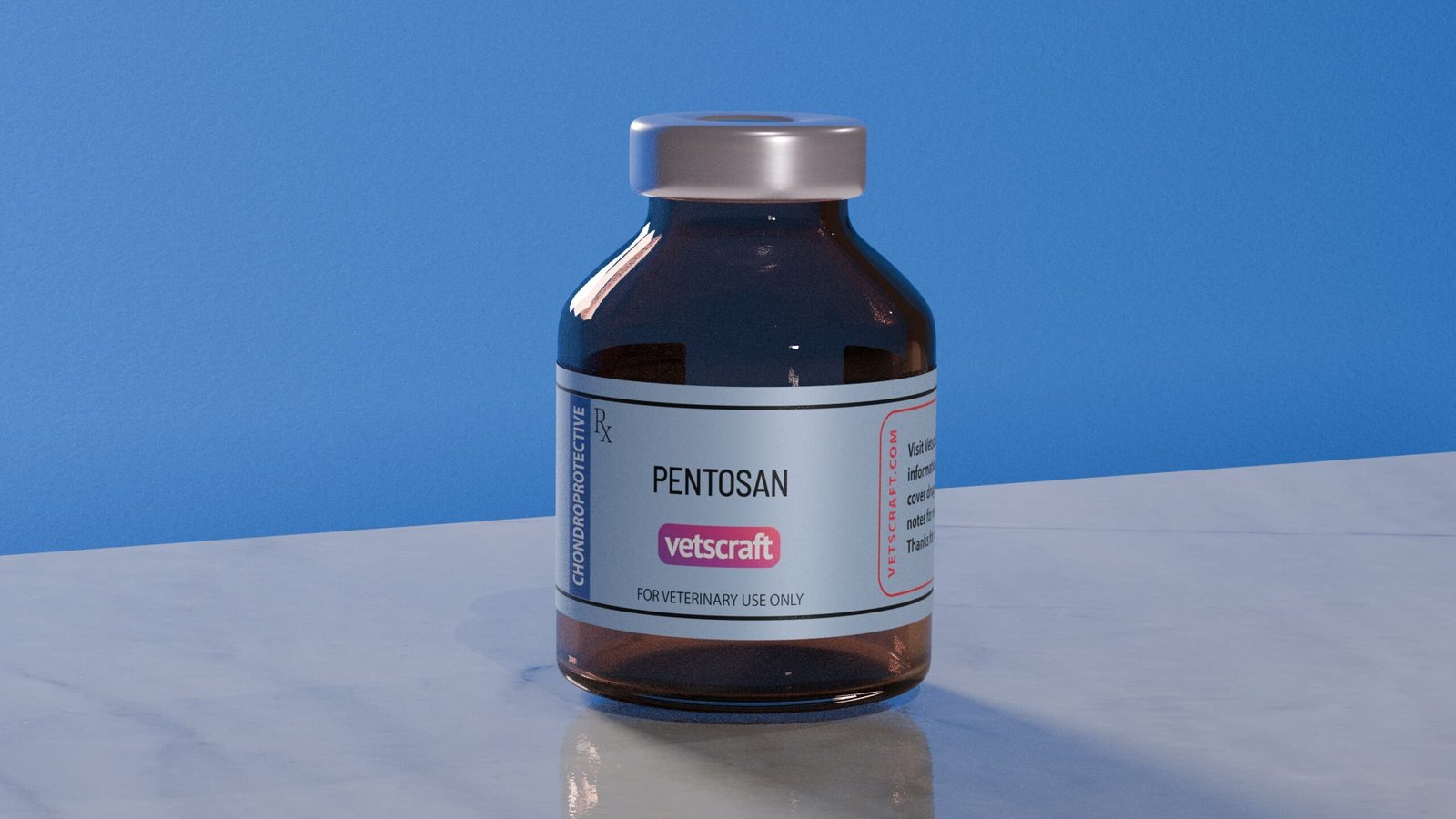
Pentosan polysulfate sodium (PPS) is a semi-synthetic polysulfated polysaccharide derived from beechwood hemicellulose (xylan). It is classified as a disease-modifying osteoarthritis drug (DMOAD) and chondroprotective agent.
Pentosan is widely used in animals for the treatment of osteoarthritis and is also used as an adjunctive therapy for feline lower urinary tract disease (FLUTD).
Group
Pentosan polysulfate sodium (PPS) is a semi-synthetic polysulfated xylan and glycosaminoglycan (GAG) mimetic classified as a chondroprotective, disease-modifying osteoarthritis drug (DMOAD).
Mechanism of Action
Pentosan has disease-modifying effects on osteoarthritic joints similar to those of polysulfated glycosaminoglycans. It appears to modulate cytokine activity, preserve proteoglycan content, and stimulate hyaluronic acid synthesis. Pentosan also possesses anti-inflammatory, hypolipidemic, anticoagulant (considerably weaker than heparin), and fibrinolytic properties. These effects may increase synovial blood flow and reduce joint inflammation.
The mechanism by which pentosan treats interstitial cystitis is not fully understood. It is postulated that it adheres to the bladder wall mucosal membrane and acts as a buffer, preventing irritating compounds in the urine from reaching the bladder epithelial cells.
Dose Rates
In Dogs
- As an injectable chondroprotective for osteoarthritis (OA): 3 mg/kg IM or SC once weekly for 4 weeks.
- For the treatment of osteoarthritis-associated pain, lameness, and stiffness: 20 mg/kg PO twice weekly for 5 weeks.
- For the management of osteoarthritis following joint surgery: 10 mg/kg PO once weekly for 12 weeks.
In Cats
- For the treatment of persistent or recurrent FLUTD: 8 mg/kg PO q12hr
In Horses
- For the treatment of osteoarthritis: 3 mg/kg IM or SC once weekly for 4 weeks.
Administer oral pentosan polysulfate sodium (PPS) on an empty stomach (at least 1 hour before or 2 hours after feeding), as food reduces its gastrointestinal absorption and may decrease its effectiveness.
Indications
- Osteoarthritis (OA)
- As a disease-modifying osteoarthritis drug (DMOAD) to improve joint function and mobility
- Feline lower urinary tract disease (FLUTD)
- Mild analgesic for interstitial cystitis
- Elbow and Hip dysplasia (adjunctive management)
- Post-operative joint recovery
- Chronic musculoskeletal pain associated with joint disease
Contraindications
- Pentosan may cause hypersensitivity reactions in some animals.
Interactions
- Pentosan may delay coagulation; therefore, use it with caution when administered concurrently with other drugs that affect coagulation (e.g., NSAIDs, heparin, etc.).
Adverse effects
- Adverse effects of pentosan in animals are generally mild and transient.
- In dogs, possible adverse effects include vomiting, anorexia, lethargy, and mild depression.
- Bleeding may occur in any species and is more likely in animals receiving other drugs that affect coagulation (e.g., NSAIDs) or undergoing strenuous exercise.
- In horses, pentosan causes dose-dependent increases in partial thromboplastin time (PTT) for up to 24 hours after administration.
Toxicity
Toxicity of pentosan may cause bleeding, thrombocytopenia, gastrointestinal (GI) distress, and liver dysfunction. Treatment of toxicity is primarily supportive. In cases of oral overdose, consider appropriate gastrointestinal decontamination protocols. For parenteral overdose, provide supportive care and monitor the patient closely.
Preparations
Pentosan is the common or abbreviated name used in veterinary practice, whereas Pentosan Polysulfate Sodium (PPS) is the complete pharmacological name of the active ingredient. Veterinary products may be marketed under the name “Pentosan,” but the active ingredient listed on the label is Pentosan Polysulfate Sodium (PPS).
Pentosan polysulfate sodium (PPS) is available in veterinary and human formulations:
- Pentorse 100 Injection (Dogs): Pentosan polysulfate sodium 100 mg/mL injectable.
- Synocur: Pentosan polysulfate sodium 100 mg/mL injectable.
- Cartrophen-Vet Injection (Dogs): Pentosan polysulfate sodium 100 mg/mL injectable.
- Pentosan 100 Injection (Dogs): Pentosan polysulfate sodium 100 mg/mL injectable.
- Cartrophen Equine Forte Injection (Horses): Pentosan polysulfate sodium 250 mg/mL injectable.
- Elmiron Capsules (Humans): Pentosan polysulfate sodium 100 mg capsules (oral).
More about Pentosan Polysulfate Sodium (PPS) for Animals
Pentosan in animals is considered a disease-modifying osteoarthritis drug (DMOAD) because it targets the underlying disease process rather than simply relieving pain. Unlike NSAIDs, which primarily reduce pain and inflammation, Pentosan may help preserve articular cartilage, improve synovial fluid quality, and support joint health.
It is commonly used as part of a multimodal osteoarthritis management plan that includes weight management, exercise modification, physical rehabilitation, and nutritional supplements.
Information provided here may be subject to inaccuracies. Please consult a reputable textbook for verification before use. We welcome your feedback and suggestions for improvement via email at hello@vetscraft.com