Mastigophora (Flagellates): Classification, Characteristics, and Examples
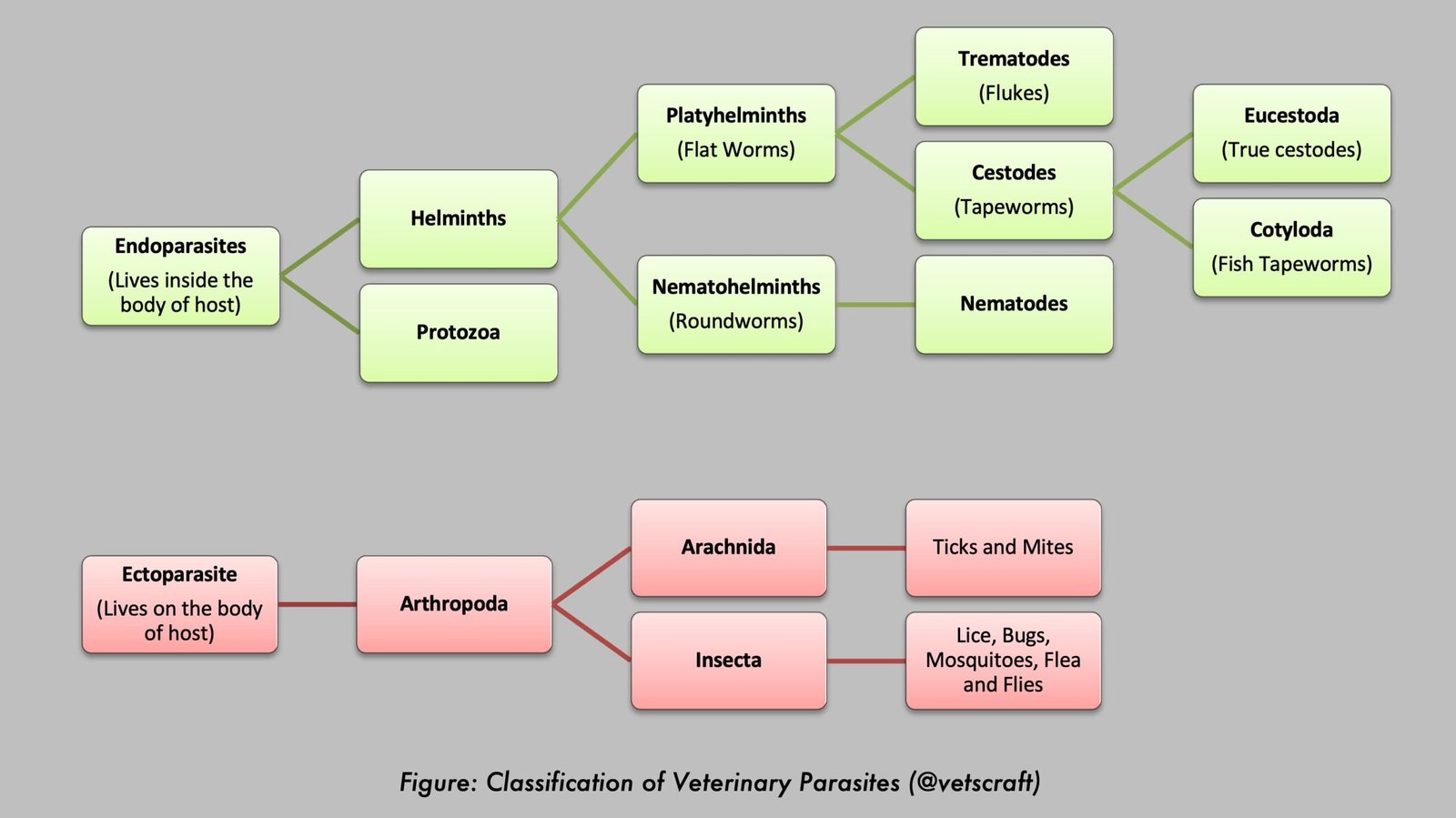
Mastigophora, commonly known as flagellates, is a subphylum of protozoa characterized by the presence of one or more flagella used primarily for locomotion. These unicellular eukaryotic organisms inhabit a wide range of environments, including freshwater, marine ecosystems, soil, and the bodies of animals. While many species are free-living, several are parasitic and are of significant medical and veterinary importance.
Based on their biological characteristics, the subphylum Mastigophora is traditionally classified into two major classes: Phytomastigophorasida and Zoomastigophorasida. Members of the latter include several clinically important protozoan parasites, such as Trypanosoma, Leishmania, Giardia, and Trichomonas, which are responsible for important diseases in humans and animals. This article covers the classification, characteristics, taxonomy, and representative examples of Mastigophora.
Characteristics of Mastigophora (Flagellates)
- Mastigophora are unicellular, eukaryotic protozoa.
- Locomotion is primarily by one or more flagella.
- The body is typically covered by a plasma membrane or a flexible pellicle.
- Members may be free-living, commensal, or parasitic.
- Nutrition varies among species and may be holophytic, holozoic, saprozoic, or parasitic.
- Reproduction occurs mainly by longitudinal binary fission, while sexual reproduction is uncommon.
- One or more nuclei may be present, depending on the species.
- Many species are of medical and veterinary importance because they cause diseases in humans and animals.
Taxonomical Classification of Subphylum Mastigophora
- Domain: Eukaryota
- Kingdom: Protista
- Phylum: Sarcomastigophora
- Subphylum: Mastigophora
- Locomotory Organ: One or more flagella
- Representative Genera: Trypanosoma, Leishmania, Giardia, Trichomonas
- Common Name: Flagellates
Classification of Mastigophora (Flagellates)
Mastigophora is divided into two classes:
- Phytomastigophorasida
- Zoomastigophorasida
1. Phytomastigophorasida
- Members are found in plants.
- Free-living and exhibit holophytic nutrition.
- Members of this class are not of veterinary importance.
2. Zoomastigophorasida
- Members are found in animals and humans.
Zoomastigophorasida includes haemoflagellates as well as intestinal and other flagellates.
Haemoflagellates
These flagellates are found in the blood, lymph, and tissue fluids, e.g., Leishmania and Trypanosoma.
Intestinal and Other Flagellates
These flagellates are found in the intestine and other organs, e.g., Giardia, Histomonas, and Trichomonas.