
Enzootic Bovine Leukosis
Veterinary MedicineEnzootic Bovine Leukosis (EBL) also known as Bovine lymphosarcoma, Leukemia and Malignant lymphoma.
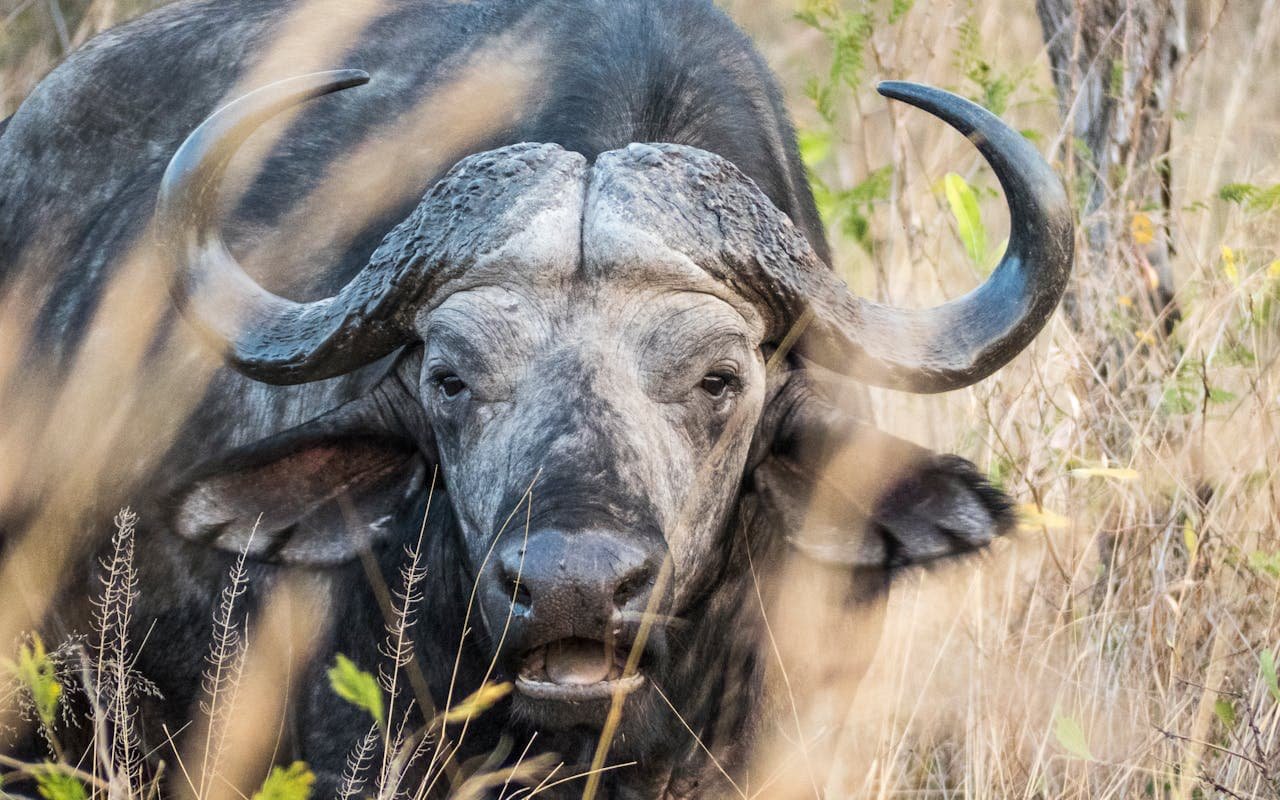
Enzootic Bovine Leukosis (EBL) also known as Bovine lymphosarcoma, Leukemia and Malignant lymphoma.
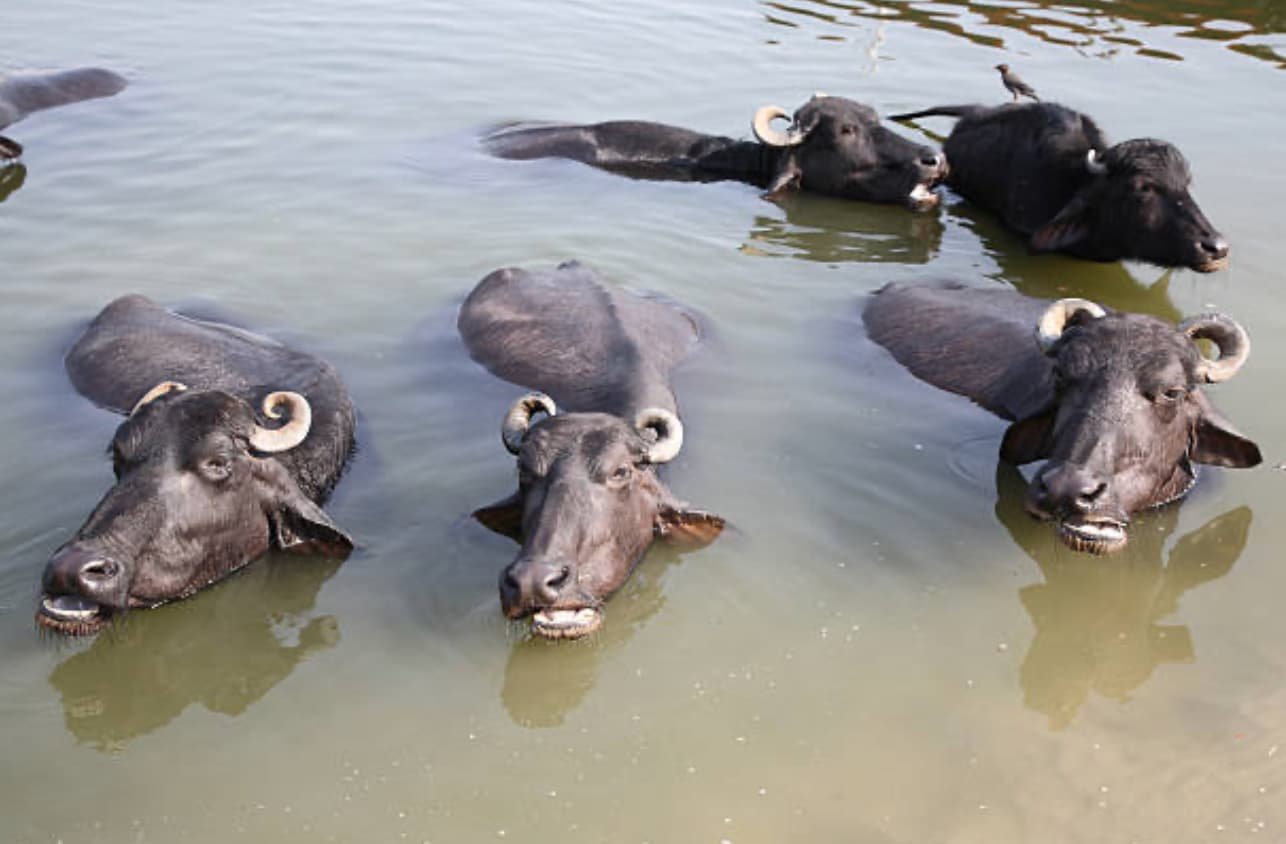
Bovine Ephemeral Fever (Three Day Sickness) is an insect borne non contagious viral disease of cattle, characterized by high fever, salivation and lameness.
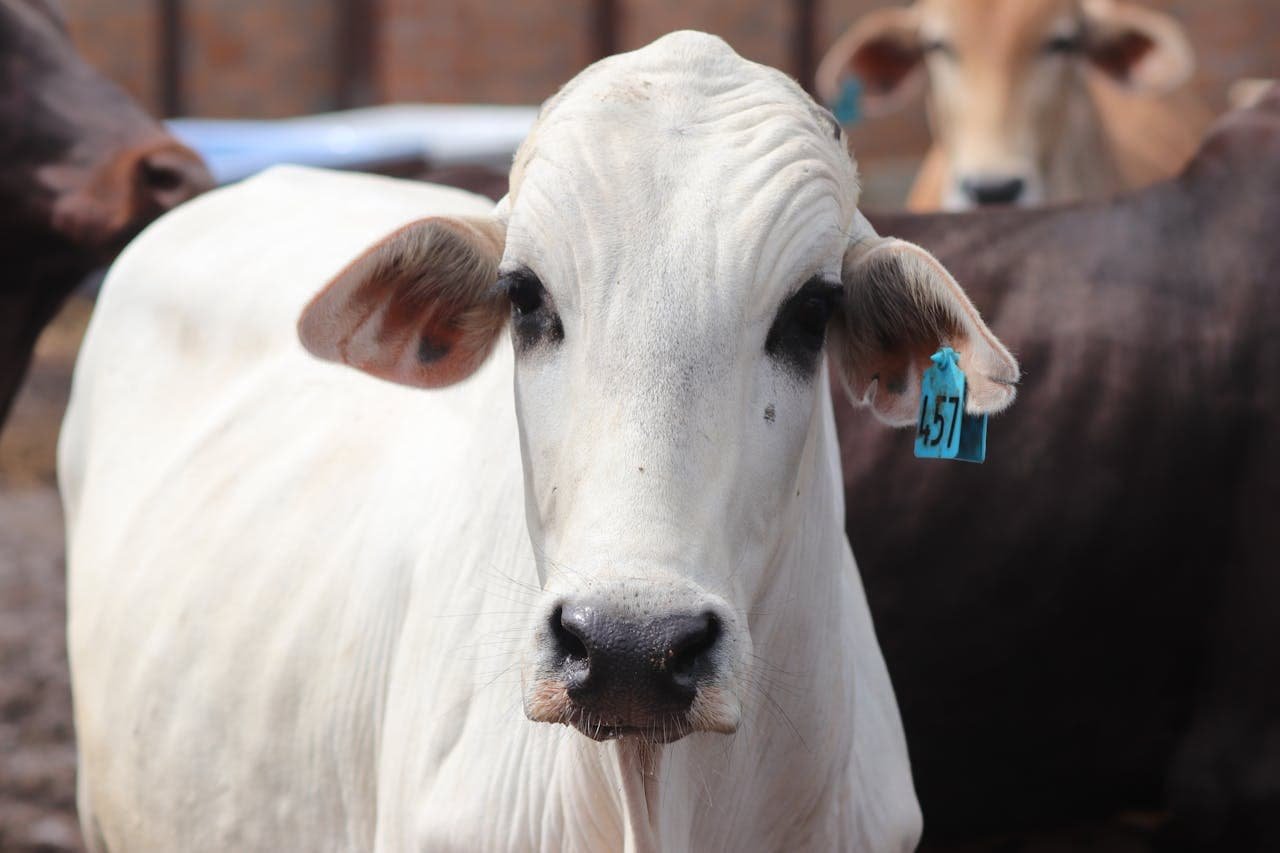
Bovine Viral Diarrhoea (BVD) is most common disease in young cattle, characterized by fever, inappetence and diarrhoea.

Infectious Bovine Rhinotracheitis (IBRT) also known as Red nose, Infectious pustular vulvo vaginitis, Infectious pustular balanophosthitis in animals.
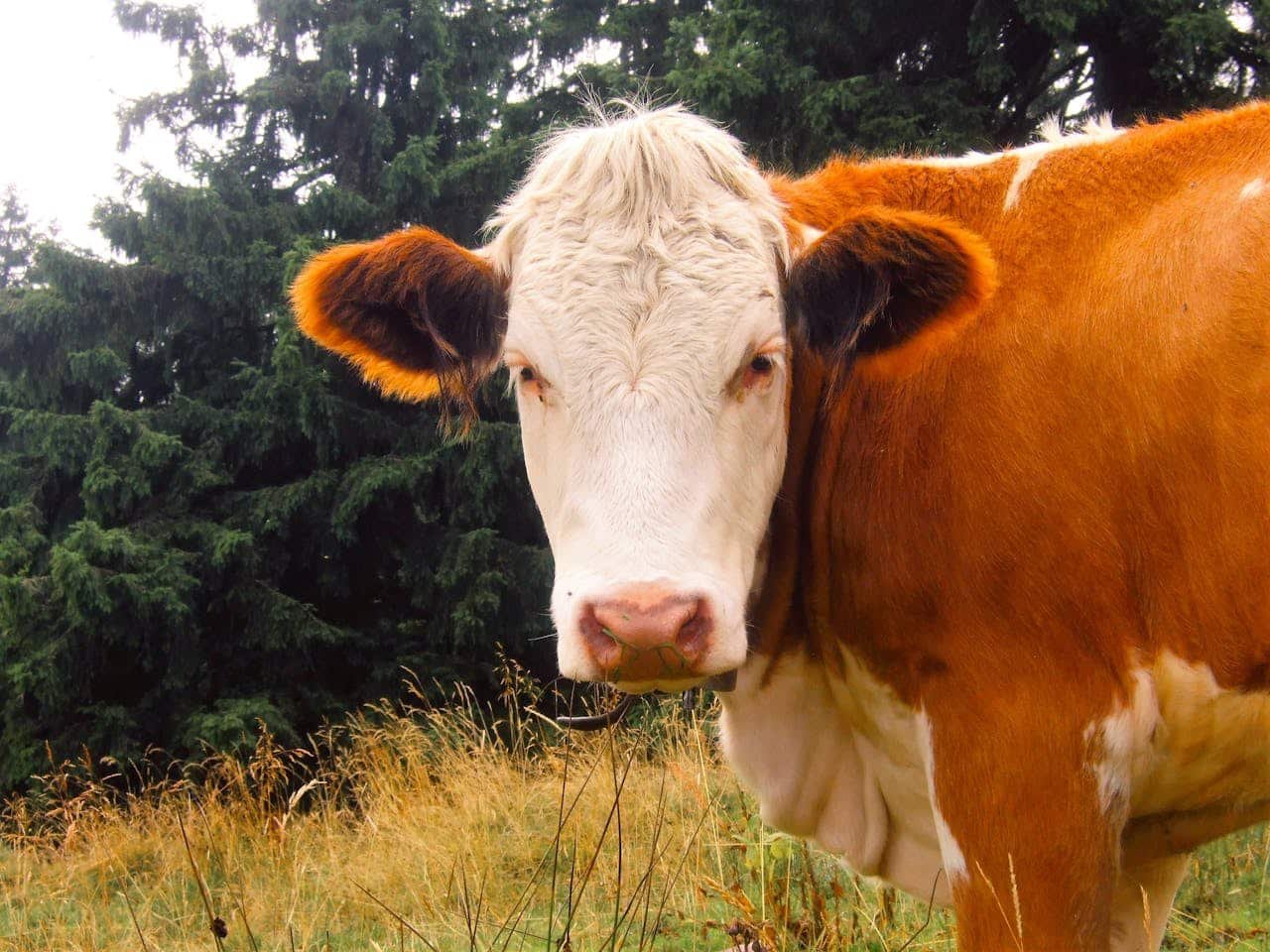
Malignant Catarrhal Fever (MCF) is characterized by lymphoid cell accumulations in non lymphoid organs, vasculitis and hyperplasia of T lymphocyte in lymphoid organs.

Rinderpest (Cattle Plague) is an acute, highly contagious viral disease of wild and domesticated ruminants and clinically characterized by sudden onset of fever, oculo-nasal discharges, necrotic stomatitis, gastroenteritis and death.
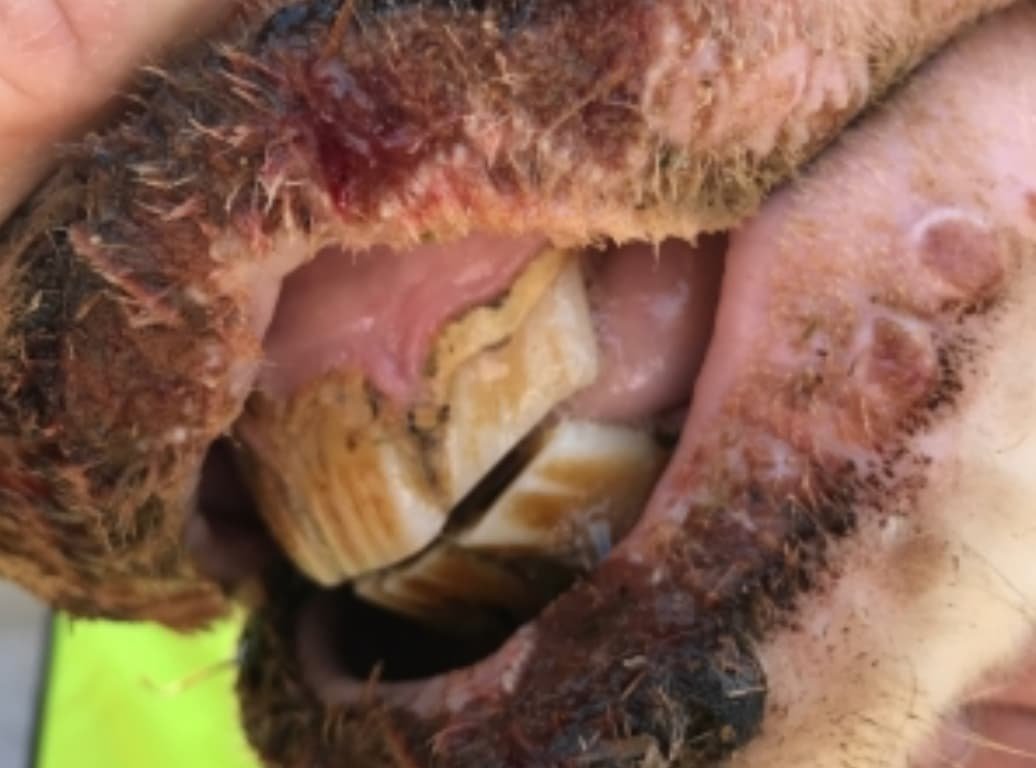
Vesicular stomatitis is a viral disease of horse, cattle and pig is characterized by vesiculation, ulceration, erosion of oral and nasal mucosa, epithelial surface of tongue, coronary band and teats, along with crusting lesions of the muzzle, ventral abdomen and sheath.

Foot and Mouth Disease is clinically characterized by high rise of temperature, lameness, profuse salivation, vesicles on the mouth, muzzle, teats and foot.

Dermatophilosis (Mycotic Dermatitis) is a disease of superficial skin of animals and man, manifested by exudation with matting of hairs, wools and formation of crusts and scab.

Coccidioidomycosis (Valley Fever) is a benign fungal disease affecting cattle and dogs. It creates a major public health problems in human.