
Protozoal Diseases of Dogs
Veterinary MedicineProtozoal diseases of dogs are disorders caused by a variety of different protozoal organisms affecting multiple systems, causing a variety of many different signs and diseases.

Protozoal diseases of dogs are disorders caused by a variety of different protozoal organisms affecting multiple systems, causing a variety of many different signs and diseases.

Common and important viral diseases of dogs are rabies, canine distemper, kennel cough, parvoviral gastroenteritis, etc.

Commonly seen bacterial diseases of dogs are salmonellosis, campylobacteriosis, brucellosis, leptospirosis, tetanus, etc.
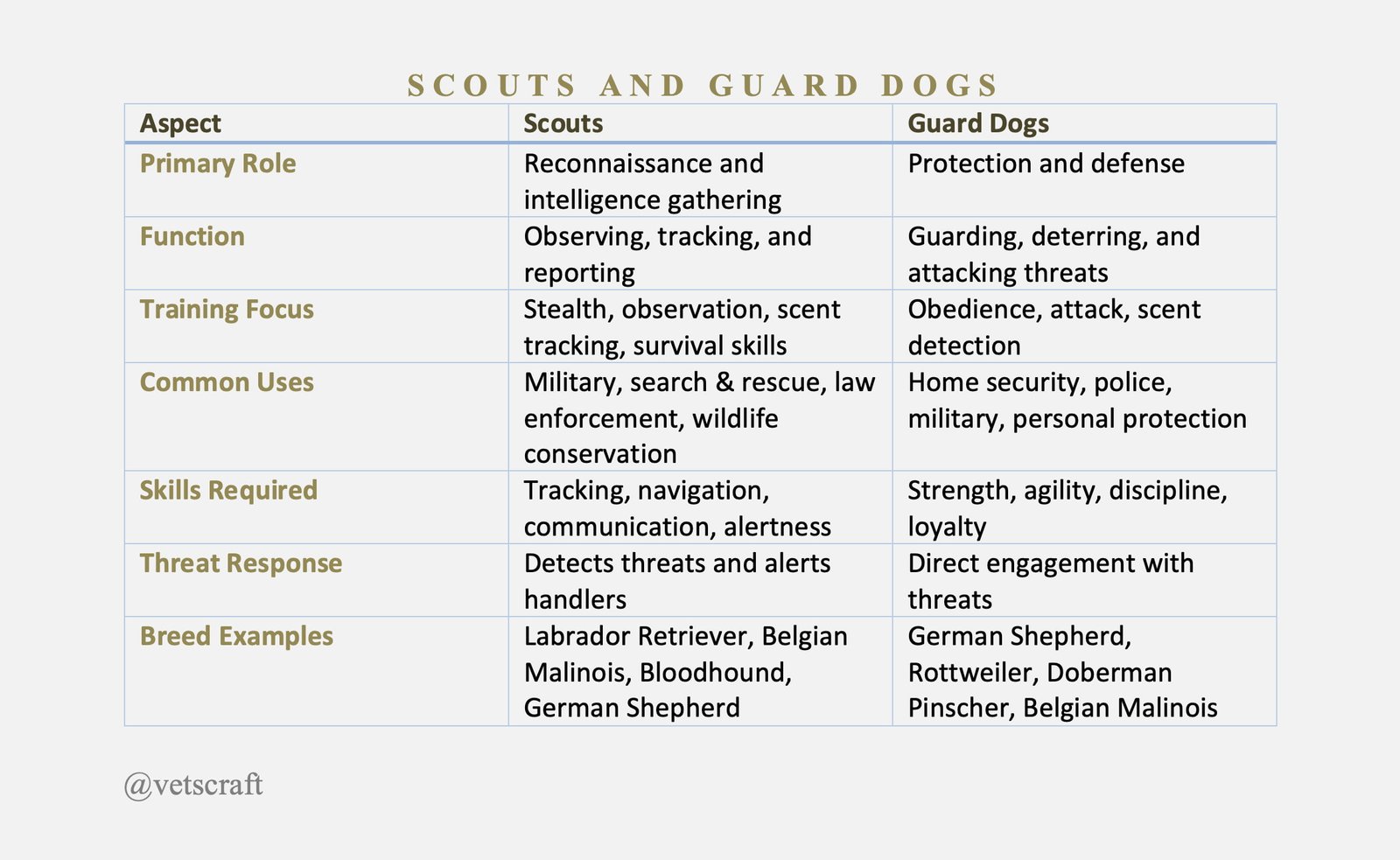
Scouts and guard dogs play critical roles in security, military, and civilian settings. While both are trained for surveillance and protection, their functions differ significantly.
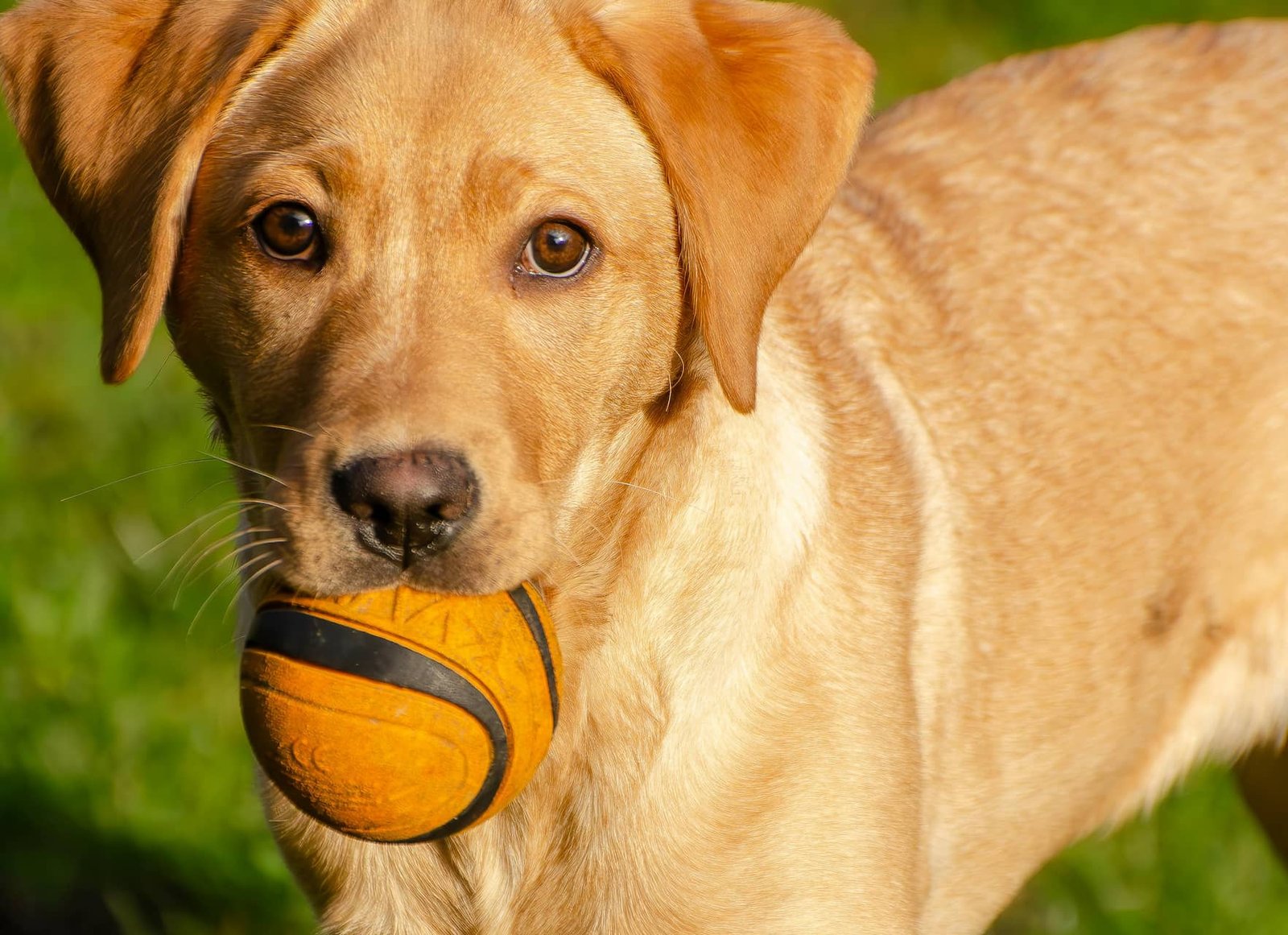
Retriever dogs are type of gun dogs that retrieves game for a hunter. Retrievers were bred primarily to retrieve birds or other prey and return them to the hunter without damage.

Disaster dogs are used to locate victims of catastrophic or mass-casualty events (eg, earthquakes, landslides, building collapses, aviation incidents to disaster management.
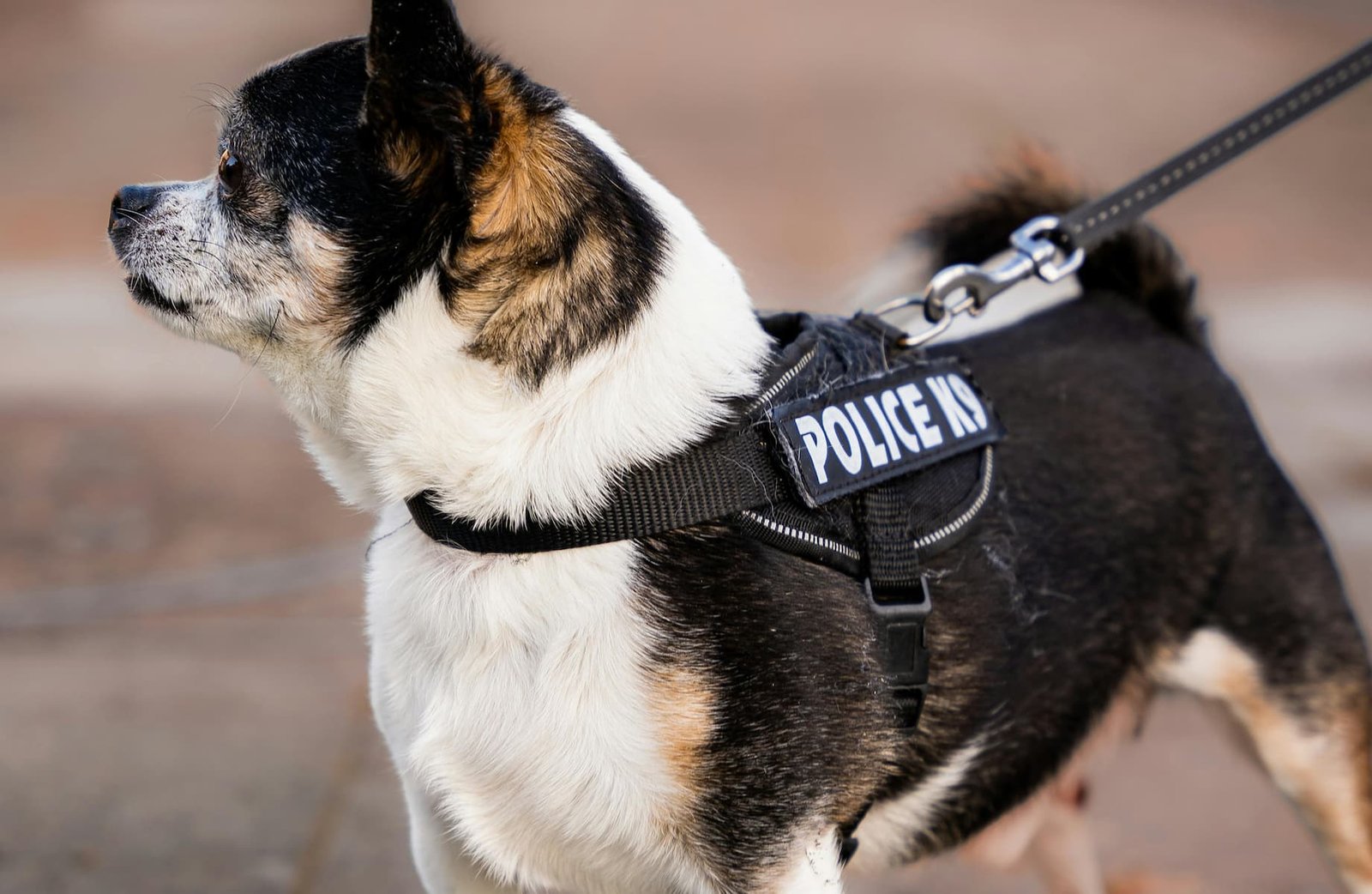
Serious training of dogs start at about six months of age when the puppy is ready to start the more serious stages of training.

There are various principles of training dogs. These principles are important from exercise to serious training of pet and police dogs.

Dog shows are a kind of beauty contest for dogs. This beauty of a dog lies in its purity of breed, good health, clean coat and intelligence.
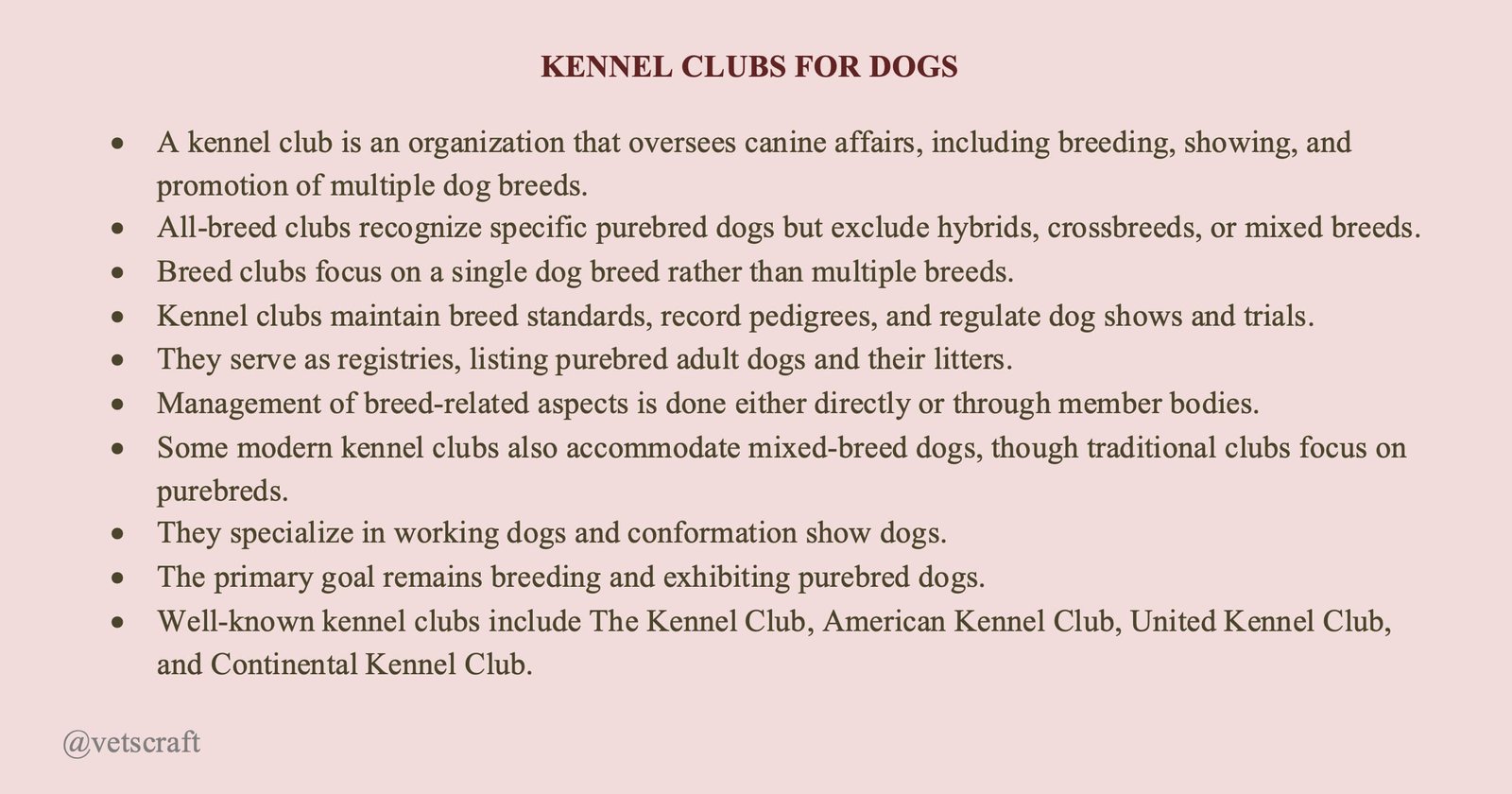
Kennel clubs for dogs are organisations for canine affairs that concerns itself with the breeding, showing and promotion of more than one breed of dog.