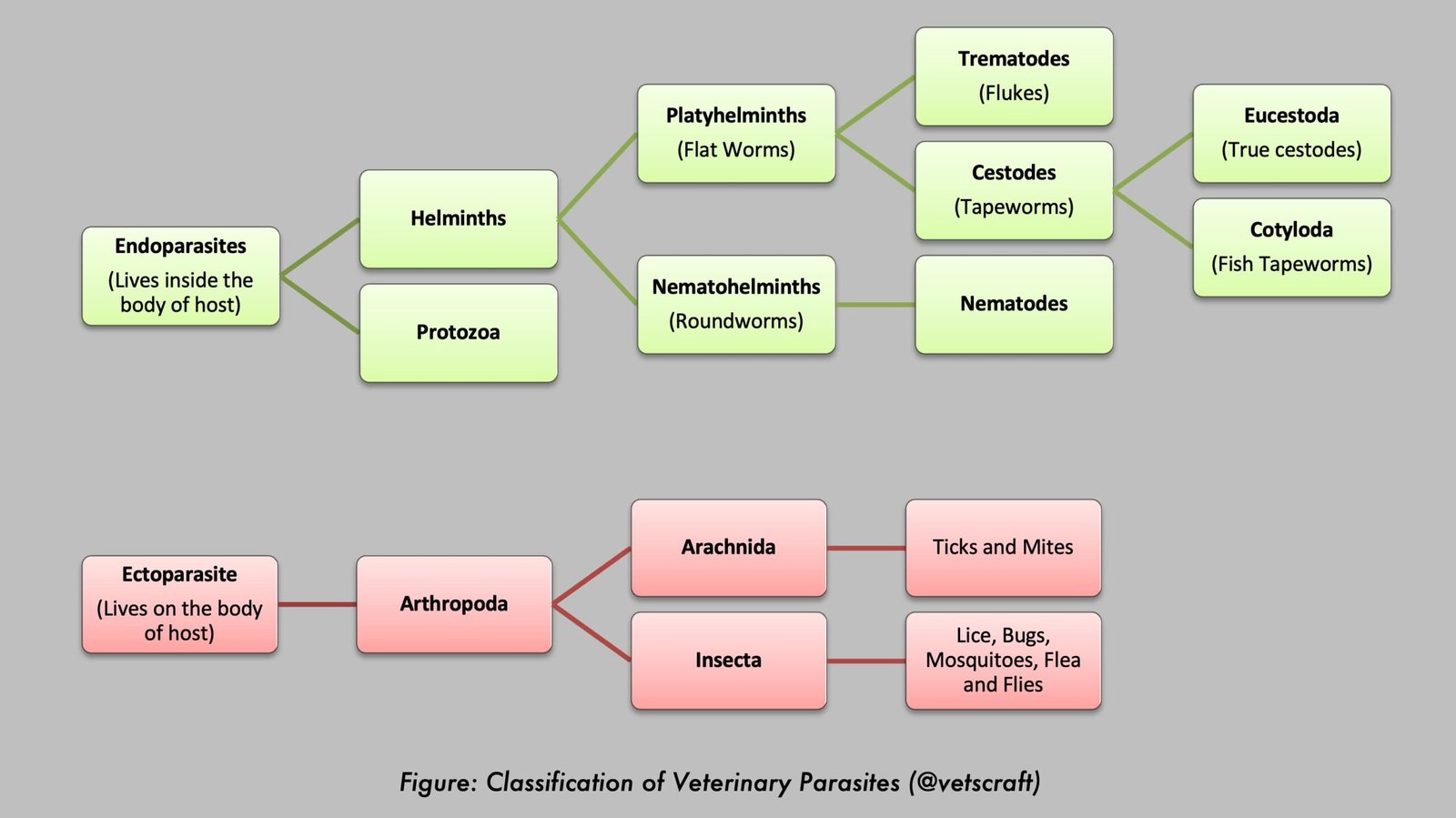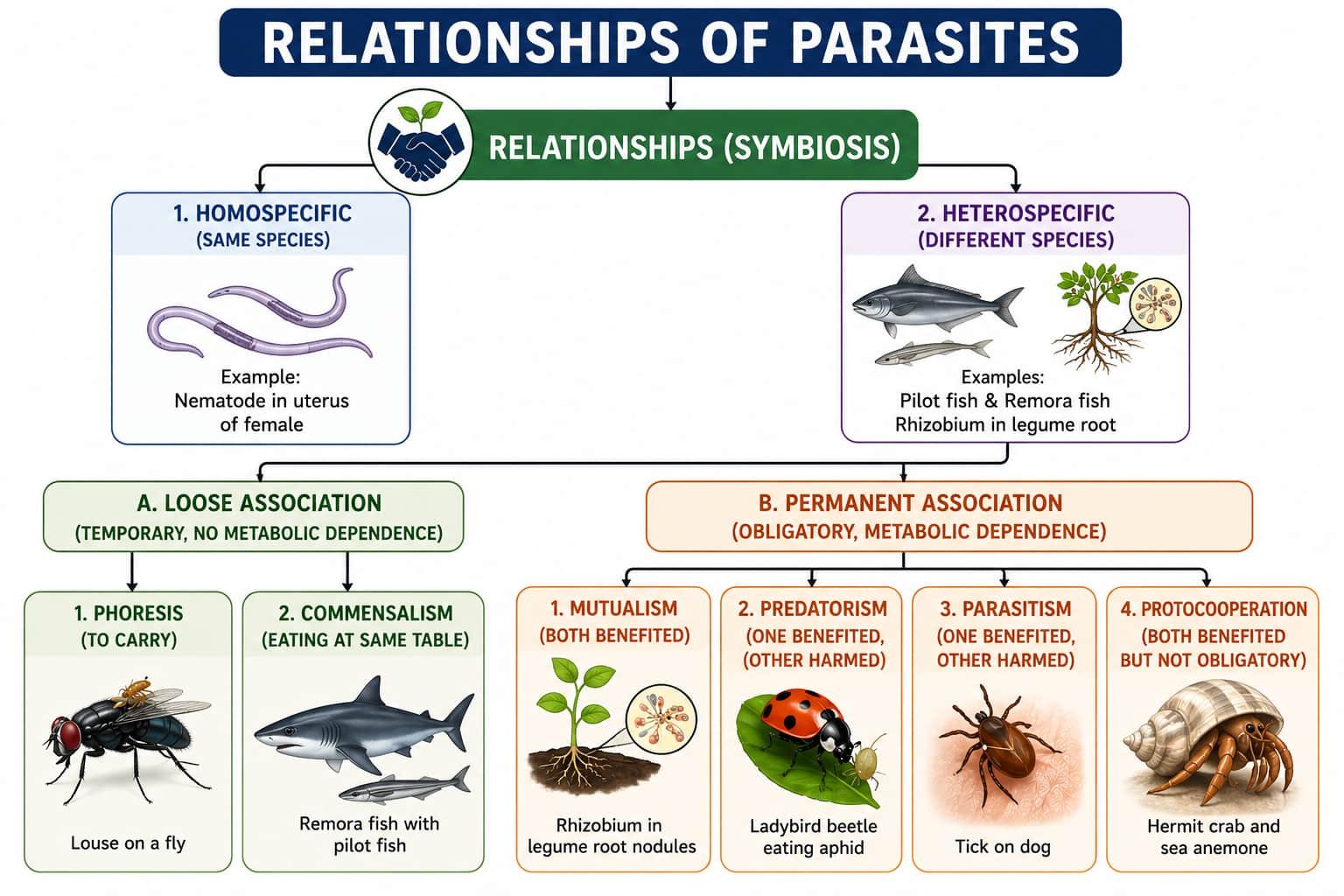
Gastrodiscus aegyptiacus (Intestinal Amphistome of Equines and Pigs)
Gastrodiscus aegyptiacus is an intestinal amphistome (fluke) that primarily infects equines and pigs. Unlike most amphistomes, which inhabit the rumen and reticulum of ruminants, this parasite is found in the intestinal tract of its hosts. It occurs mainly in parts of Africa and Asia and has a life cycle involving a freshwater snail as the intermediate host. Although infections are often subclinical, heavy parasite burdens may cause enteric disturbances and reduced animal performance.
Taxonomical Classification
- Kingdom: Animalia
- Phylum: Platyhelminthes
- Class: Trematoda
- Subclass: Digenea
- Order: Echinostomida
- Suborder: Paramphistomata
- Superfamily: Paramphistomoidea
- Family: Gastrodiscidae
- Genus: Gastrodiscus
- Species: Gastrodiscus aegyptiacus
Parasite Overview
- Common Name: Intestinal amphistome of equines and pigs
- Hosts: Equines, pigs, and warthogs; reported mainly from Africa and India.
- Prediction Site / Location: Small and large intestine
- Intermediate Host: Indoplanorbis exustus
Morphology
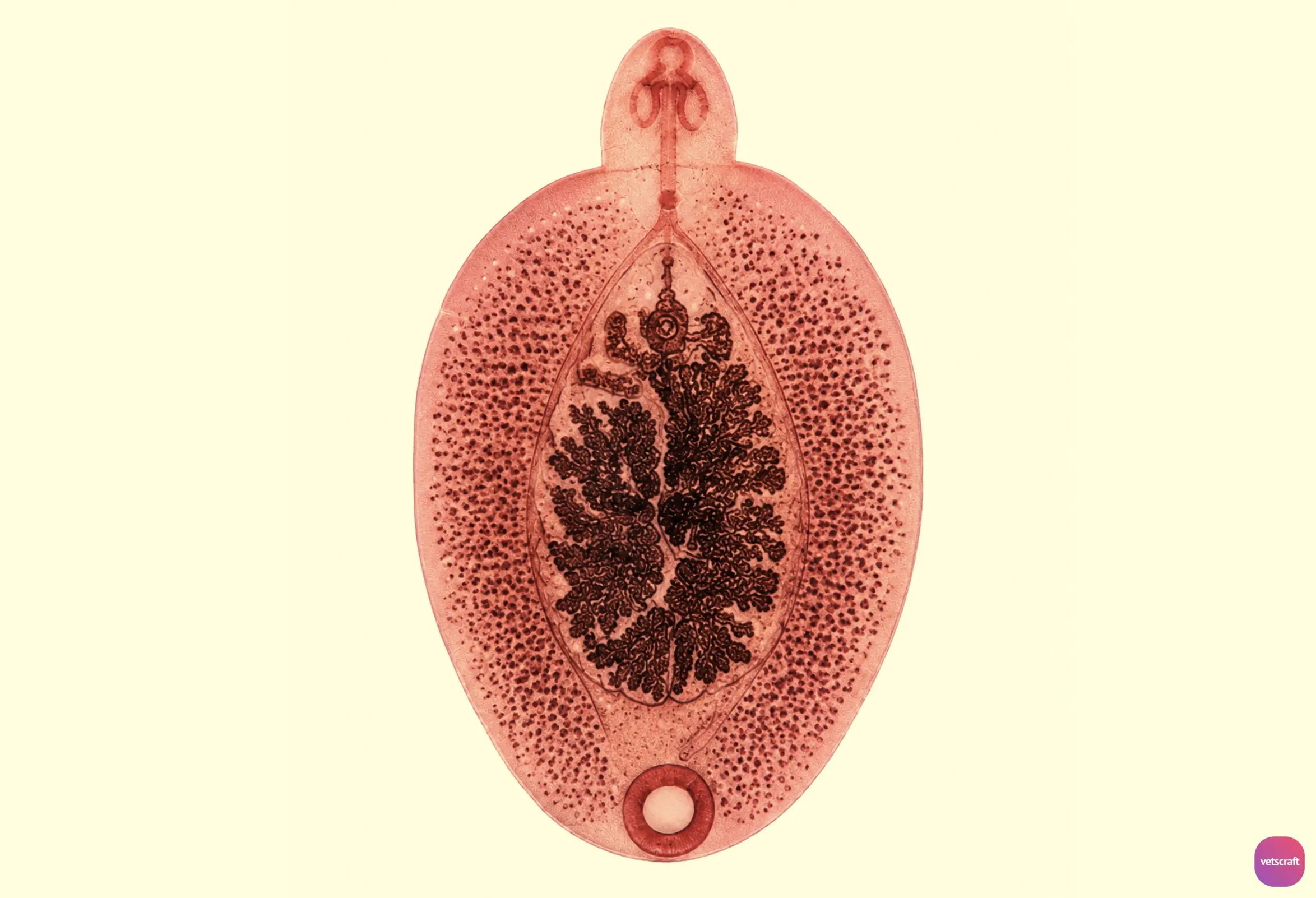
- Gastrodiscus aegyptiacus measures approximately 0.9–1.7 × 0.8–1.1 cm and is pink in color when fresh.
- Other morphological characteristics are similar to those of G. secundus.
Life Cycle
Gastrodiscus aegyptiacus has an indirect life cycle that requires a freshwater snail as the intermediate host. Eggs passed in the feces of infected equines reach water and hatch, releasing miracidia that infect suitable snail hosts. Within the snail, the parasite develops through sporocyst, redia, and cercaria stages.
The cercariae emerge from the snail and encyst as metacercariae on aquatic vegetation. Horses, donkeys, and other equids become infected by ingesting vegetation contaminated with metacercariae while grazing. After ingestion, immature flukes migrate to the large intestine, where they mature and establish themselves in the cecum and colon.
For information on the general life cycle, epidemiology, pathogenesis, histopathological lesions, clinical signs, diagnosis, treatment, and control of amphistome infections, refer to our detailed article on Amphistomes. The principles discussed in that article are broadly applicable to infections caused by Gastrodiscus aegyptiacus.