
Internal Anatomy and Physiology of Insects
Veterinary ParasitologyLearn the internal anatomy and physiology of insects, including the digestive, respiratory, circulatory, nervous, excretory, and reproductive systems.
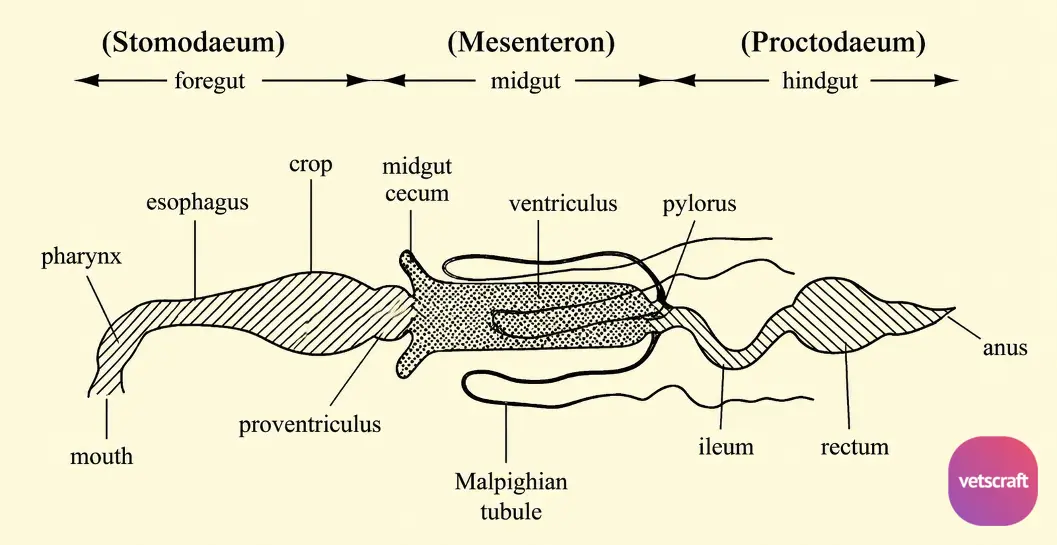
Learn the internal anatomy and physiology of insects, including the digestive, respiratory, circulatory, nervous, excretory, and reproductive systems.
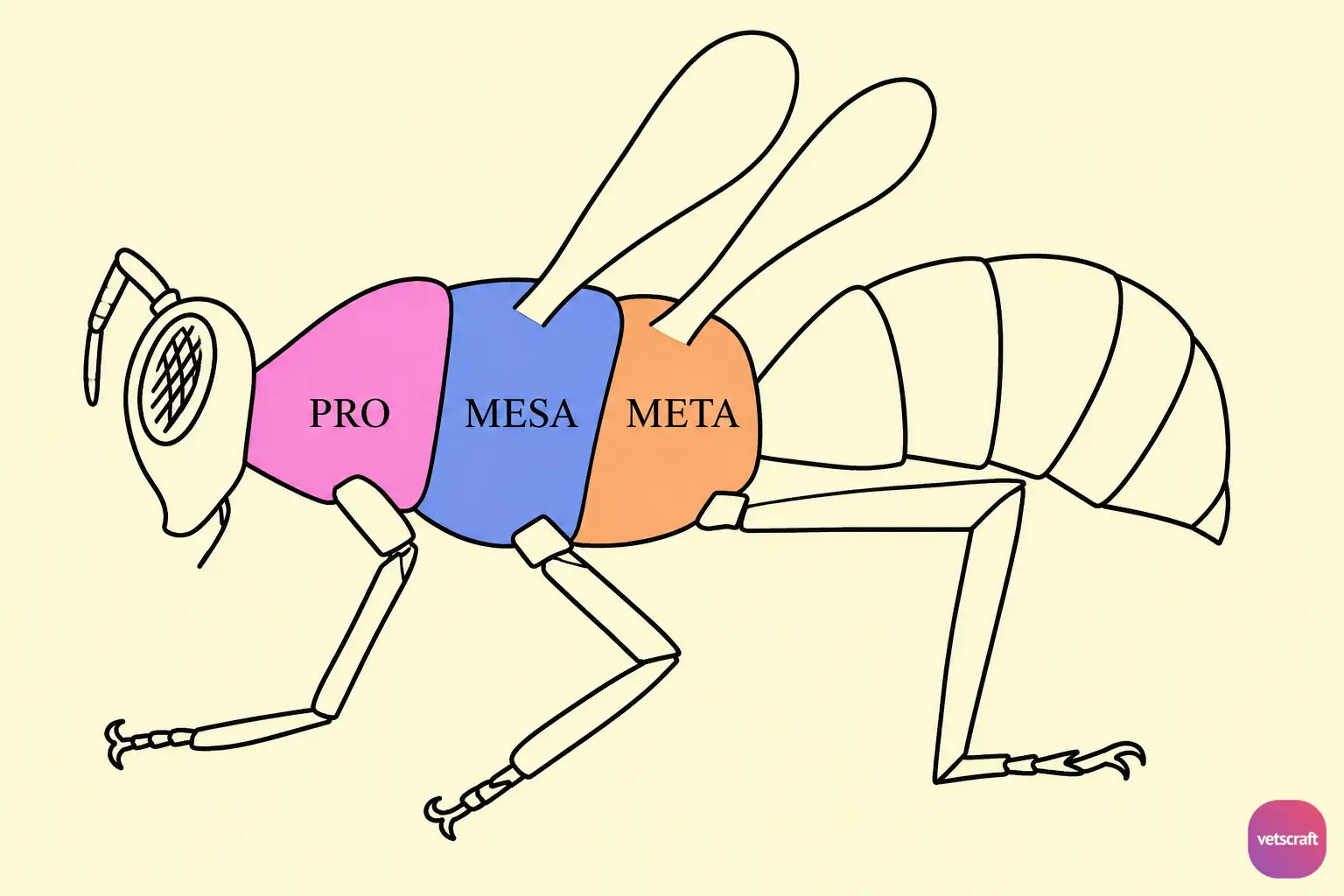
Learn the structure and anatomy of the insect thorax and abdomen, including wings, legs, wing venation, spiracles, cerci, ovipositor, and locomotor system in this veterinary entomology guide.
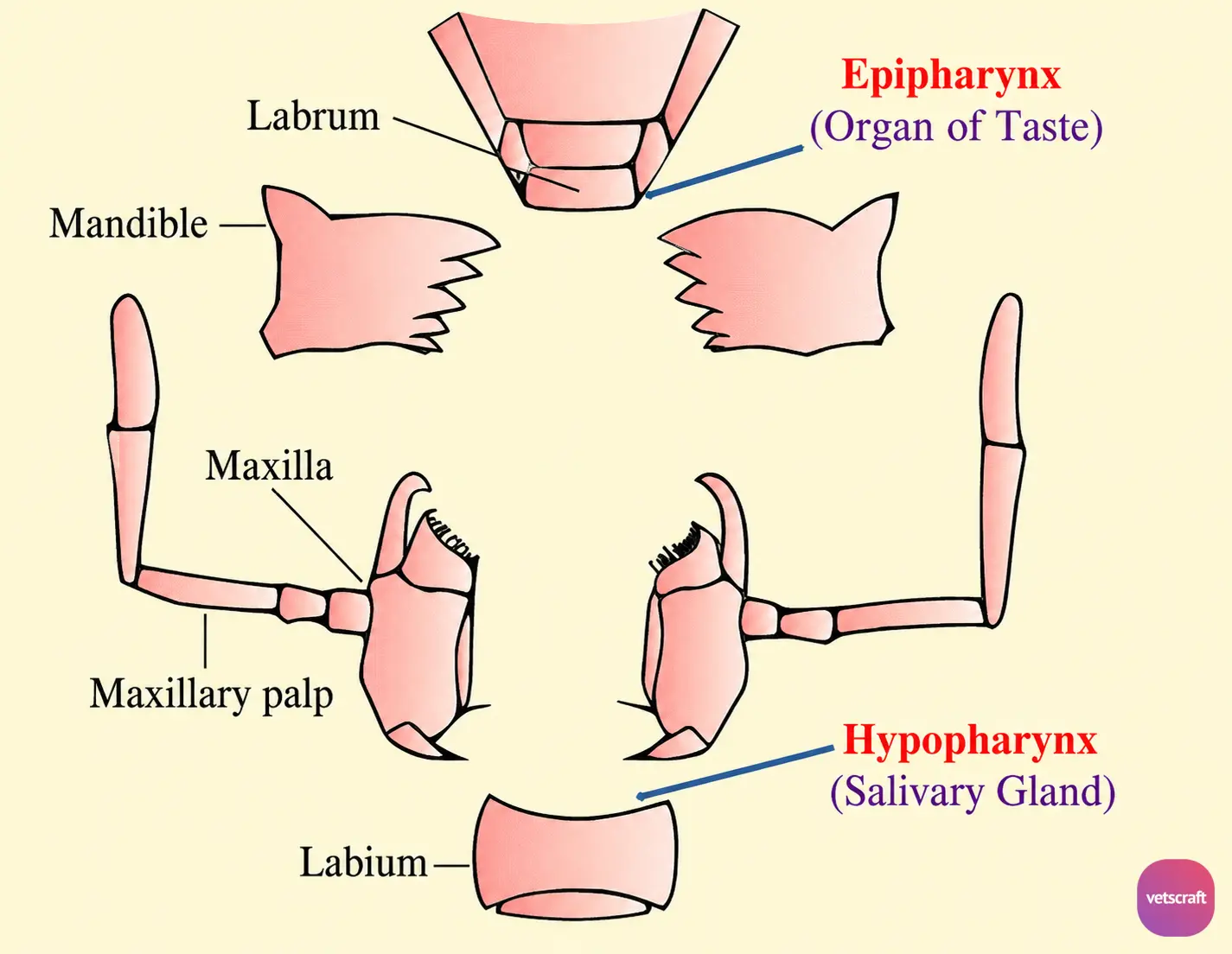
Learn about the mouthparts of insects, including their structure, functions, types, and feeding adaptations, with examples relevant to veterinary entomology.
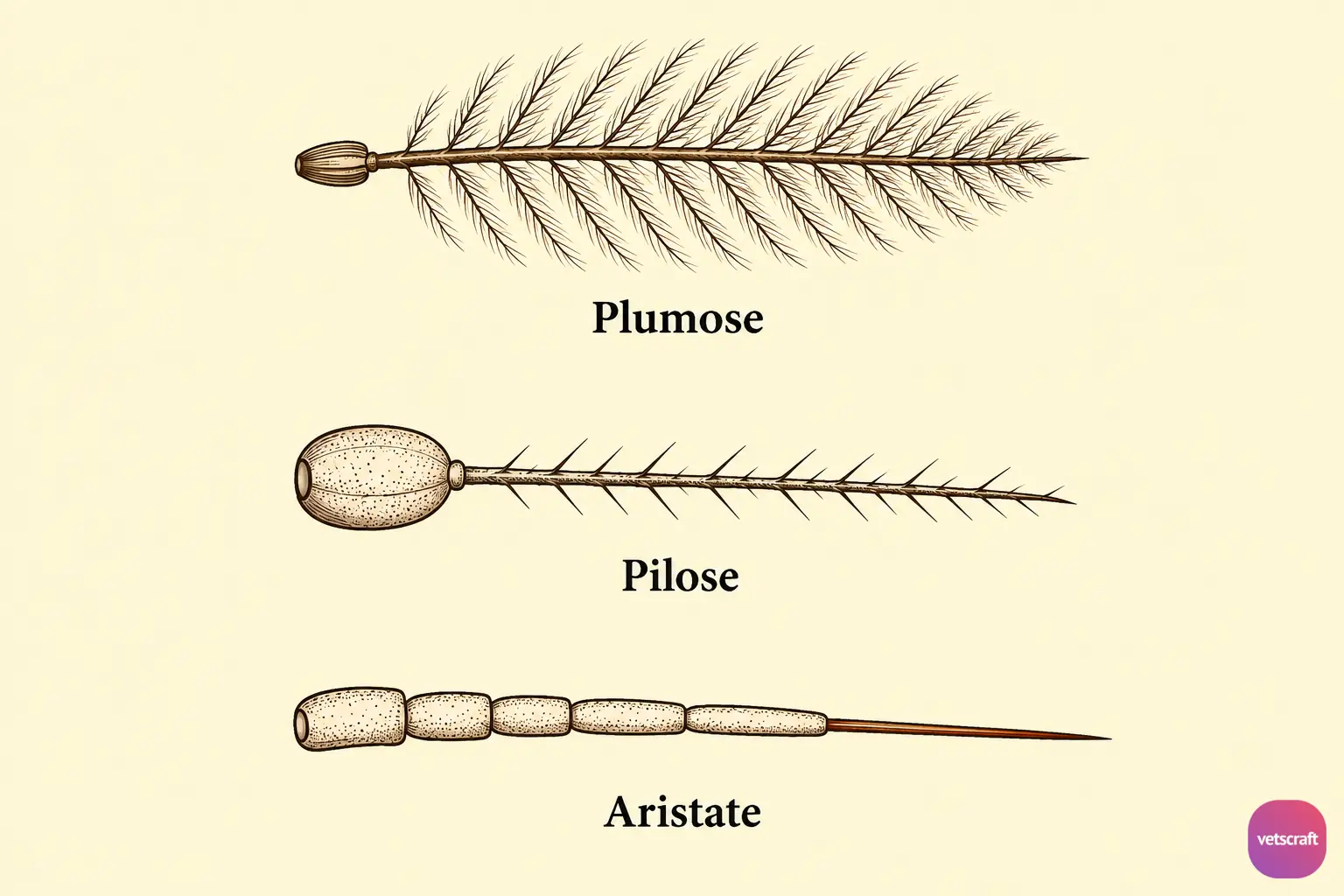
Learn about the external anatomy of the insect head, including compound eyes, ocelli, antennae, their structure, types, and functions in veterinary entomology.
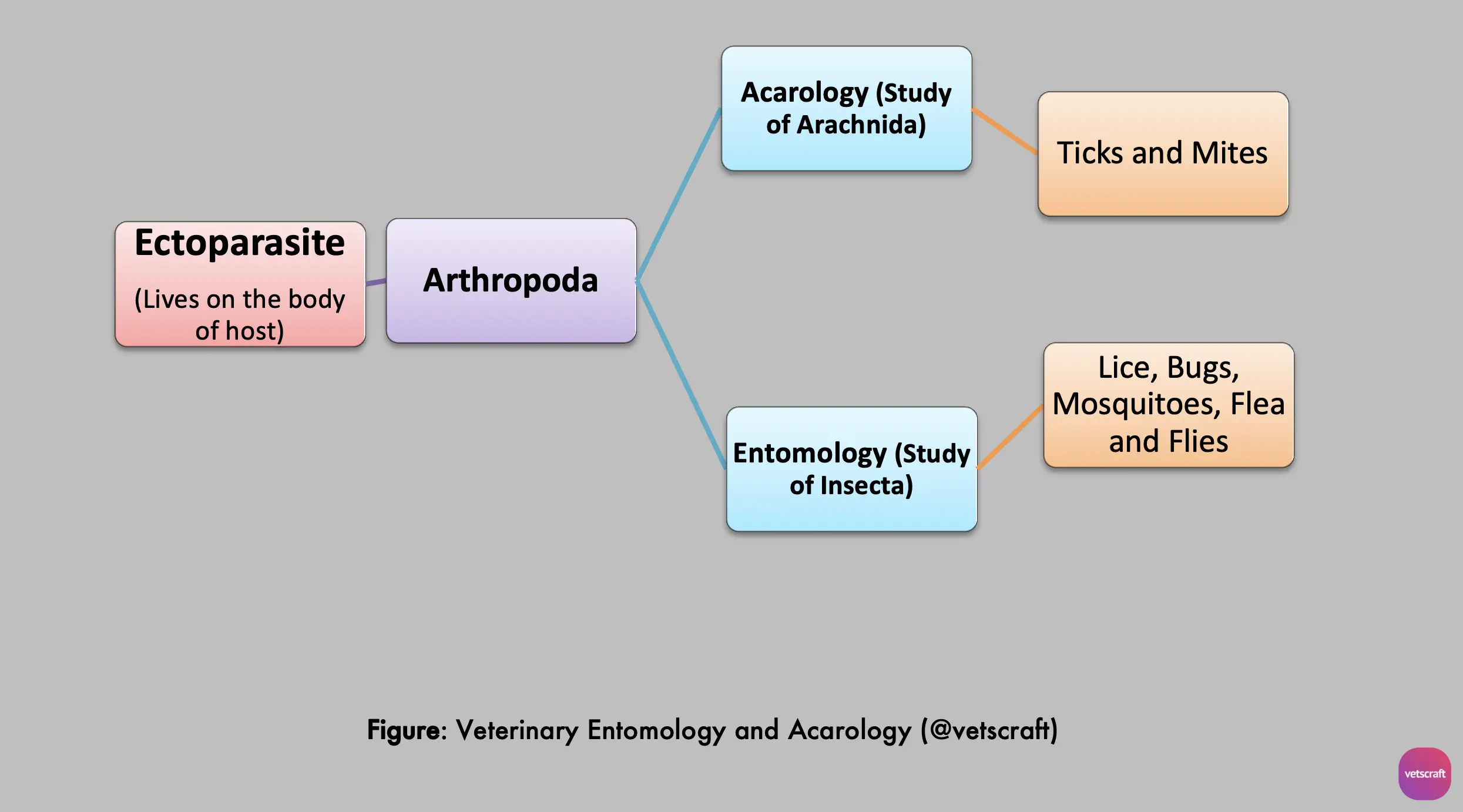
Learn the fundamentals of veterinary entomology and acarology, including the introduction, classification of Phylum Arthropoda, important characteristics, and medically important arthropods in veterinary parasitology.
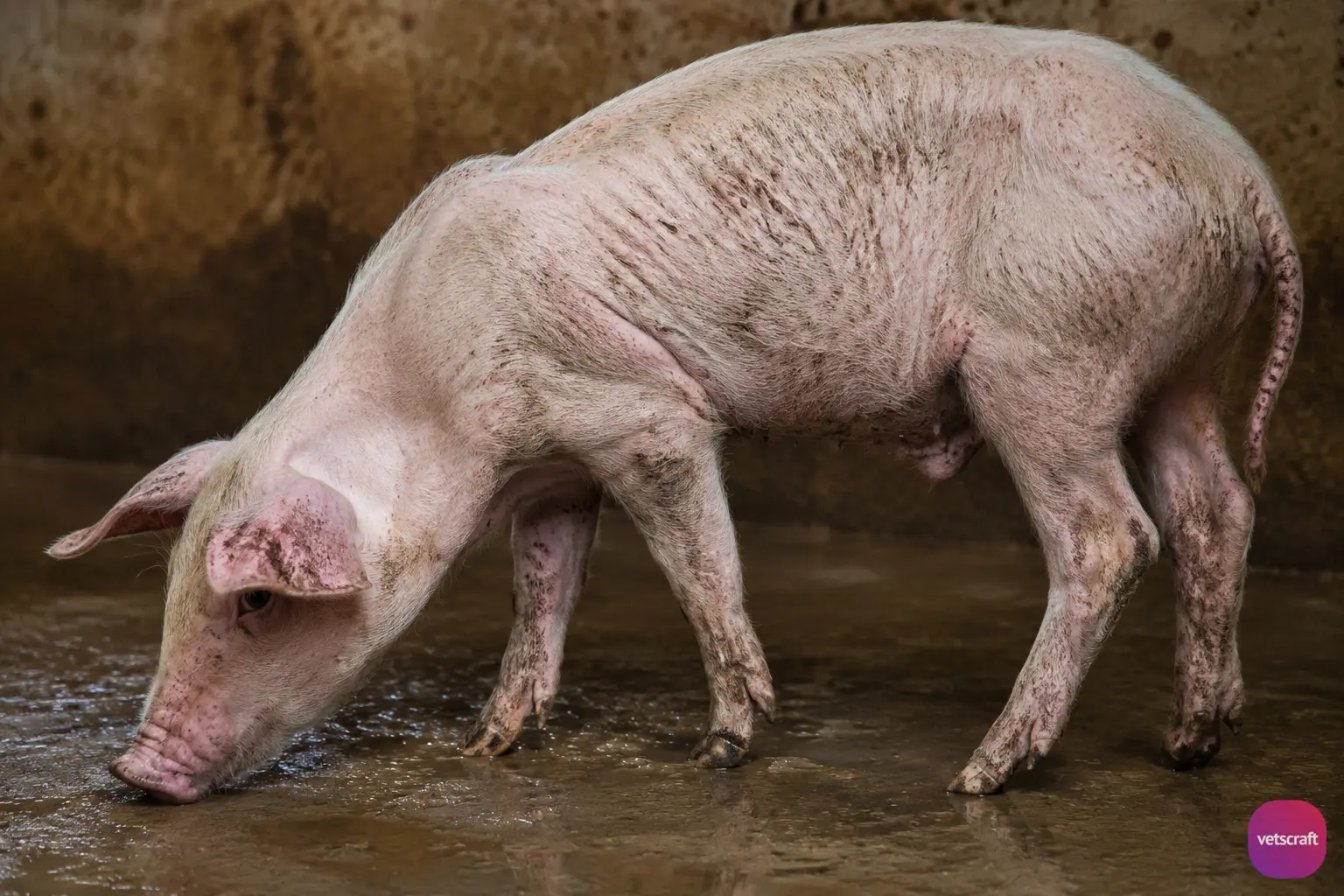
Learn about Balantidium coli in veterinary parasitology, including morphology, transmission, pathogenesis, clinical signs, diagnosis, treatment, and control.
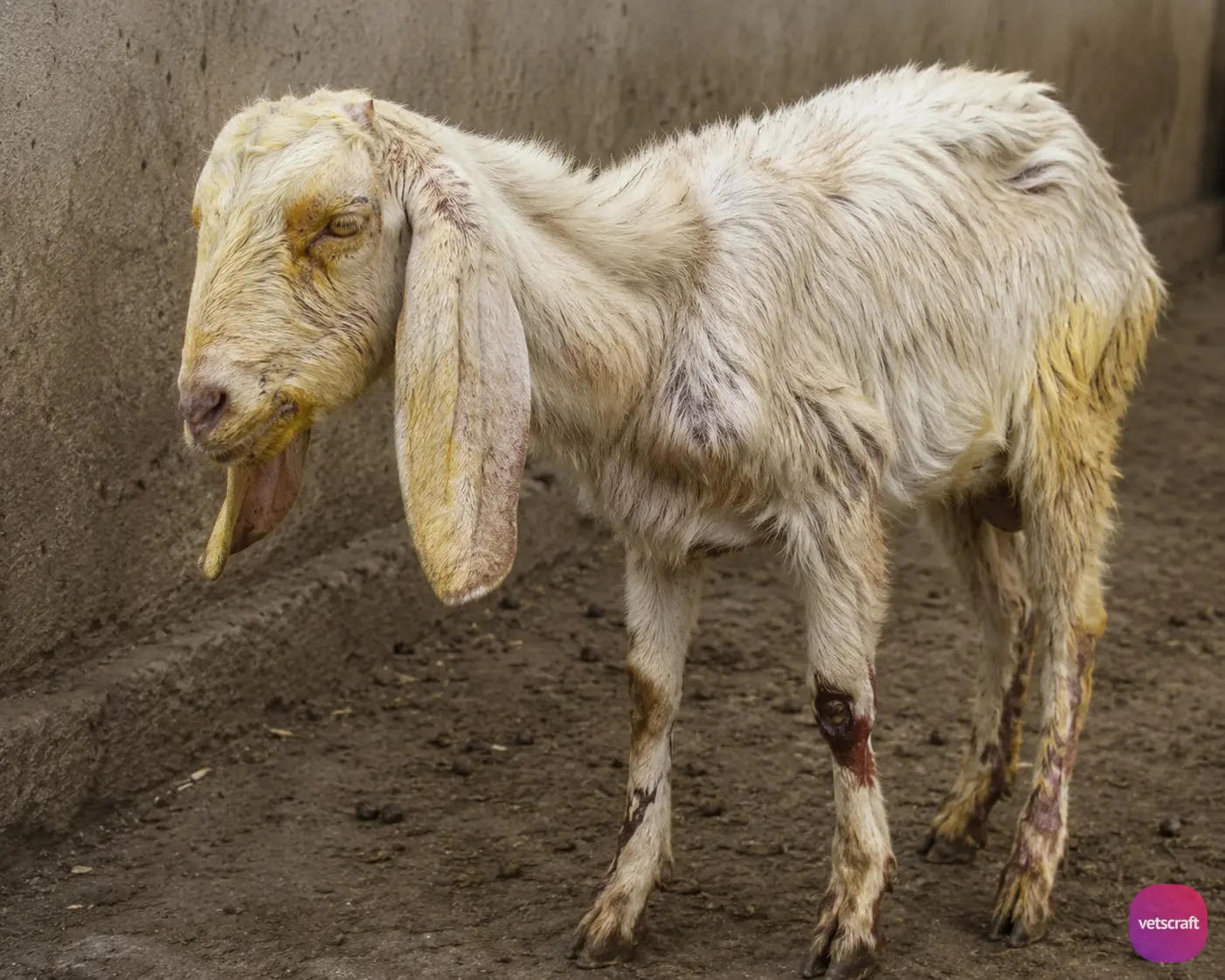
Learn about ovine and caprine theileriosis, including clinical signs, pathogenesis, diagnosis, treatment, immunity, postmortem lesions, and control in sheep and goats.
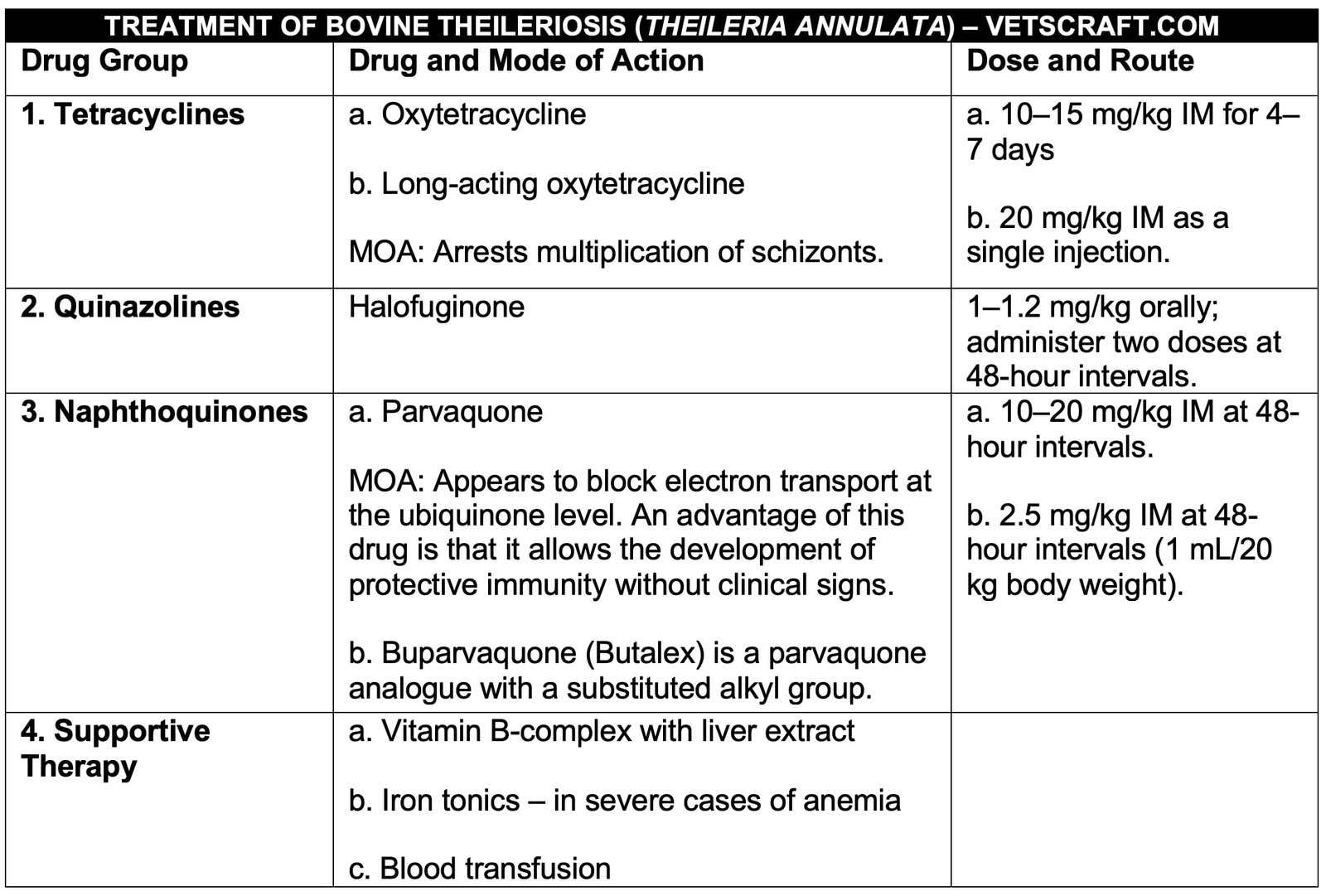
Learn bovine theileriosis (Theileria annulata), including its life cycle, morphology, pathogenesis, clinical signs, diagnosis, treatment, and control in cattle.
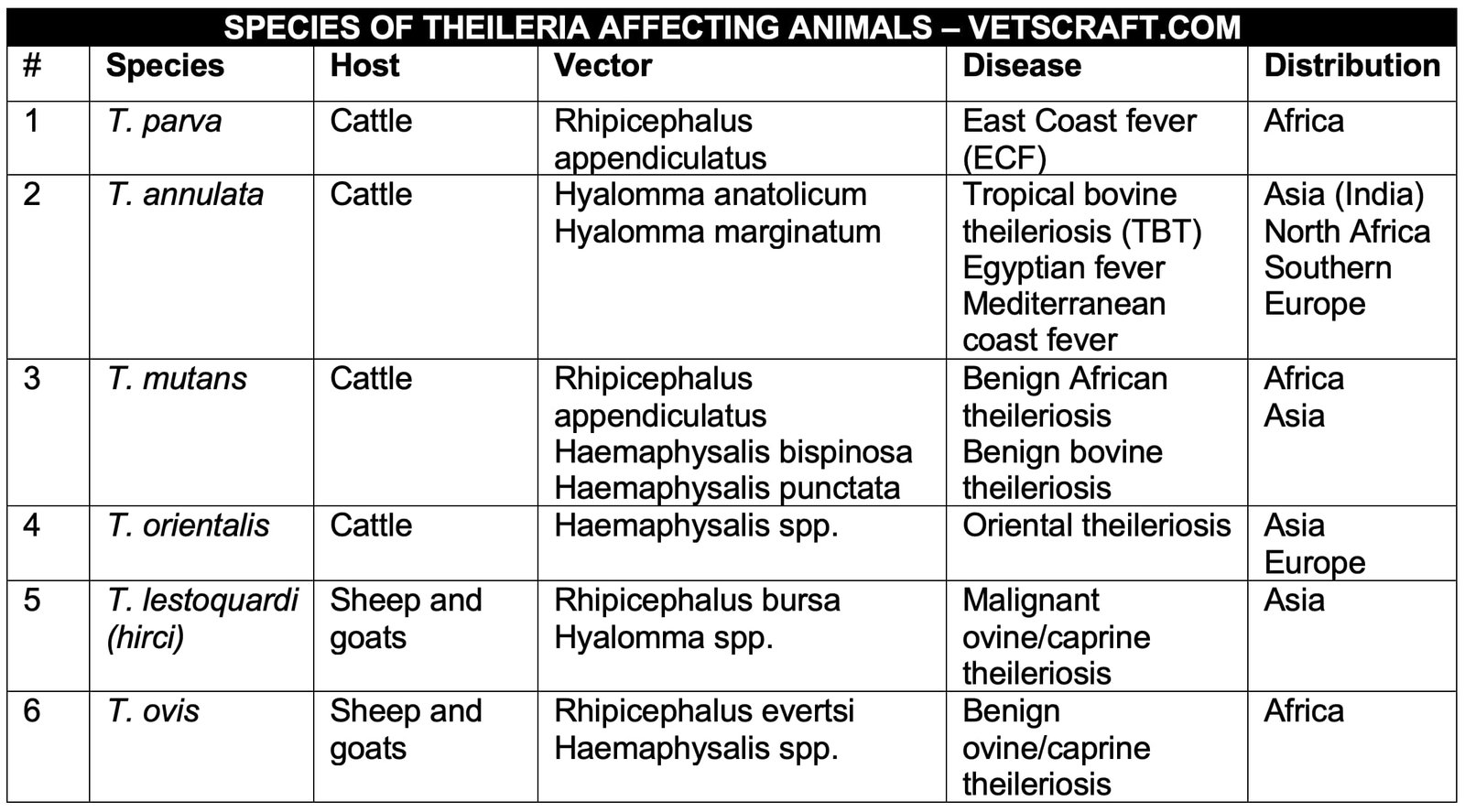
Learn about Theileria in animals, including its taxonomical classification, important species, hosts, and key veterinary features.
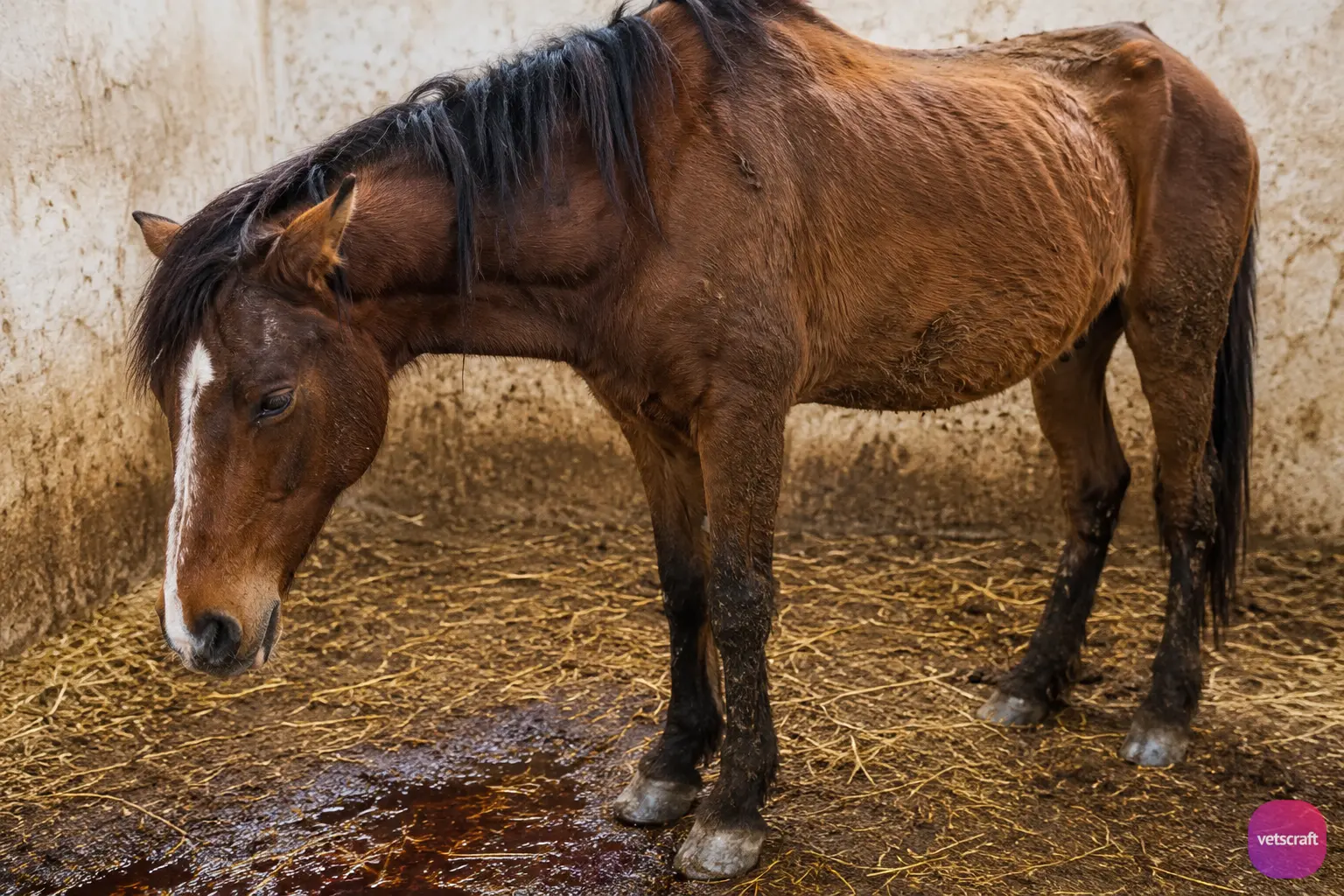
Learn about equine babesiosis (equine piroplasmosis), including its causes, Babesia equi and Babesia caballi, life cycle, clinical signs, diagnosis, and treatment.