
Hard Ticks vs. Soft Ticks
Veterinary ParasitologyLearn the key differences between hard ticks (Ixodidae) and soft ticks (Argasidae), including mouthparts, scutum, feeding habits, life cycle, mating, and host preference.
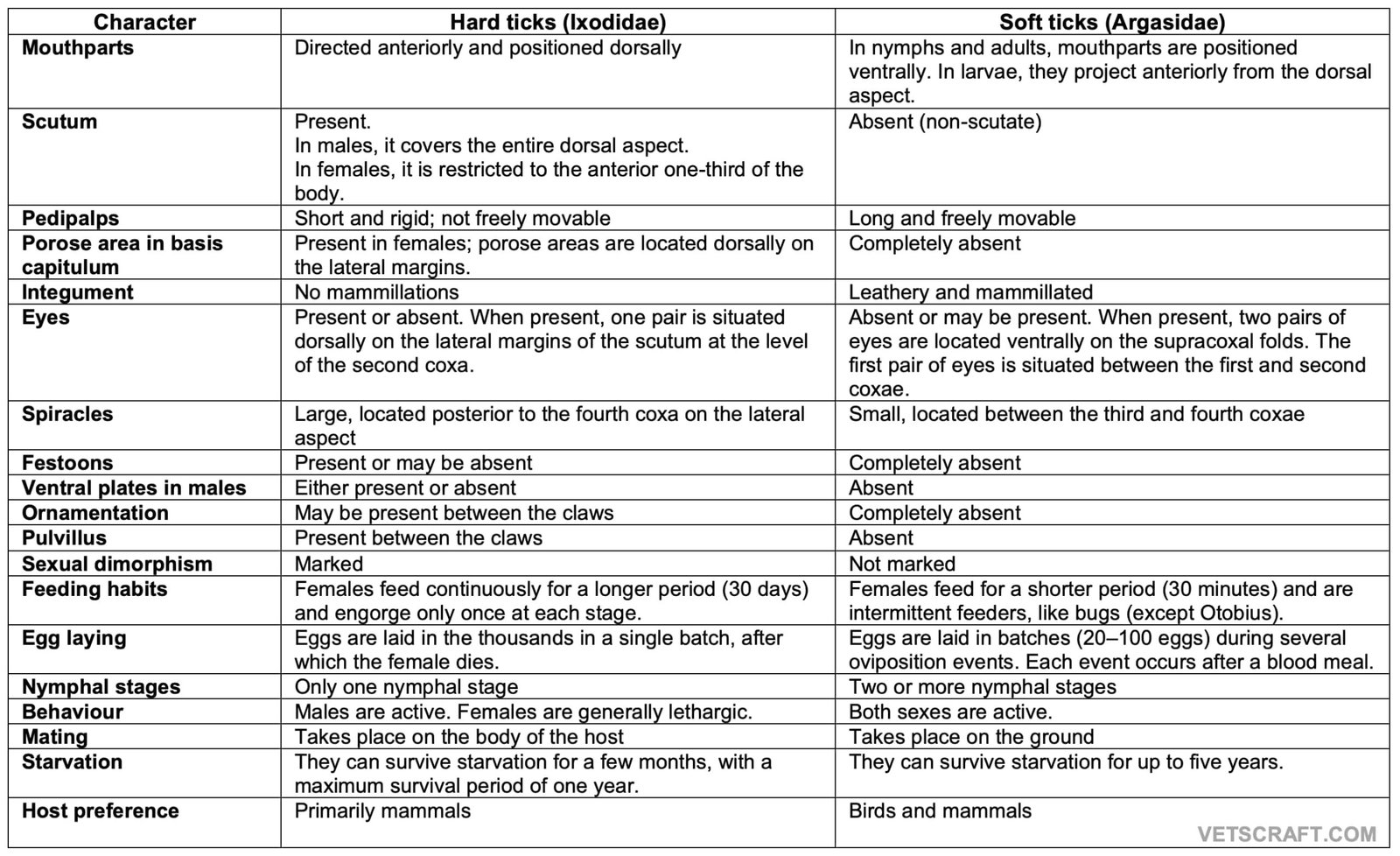
Learn the key differences between hard ticks (Ixodidae) and soft ticks (Argasidae), including mouthparts, scutum, feeding habits, life cycle, mating, and host preference.
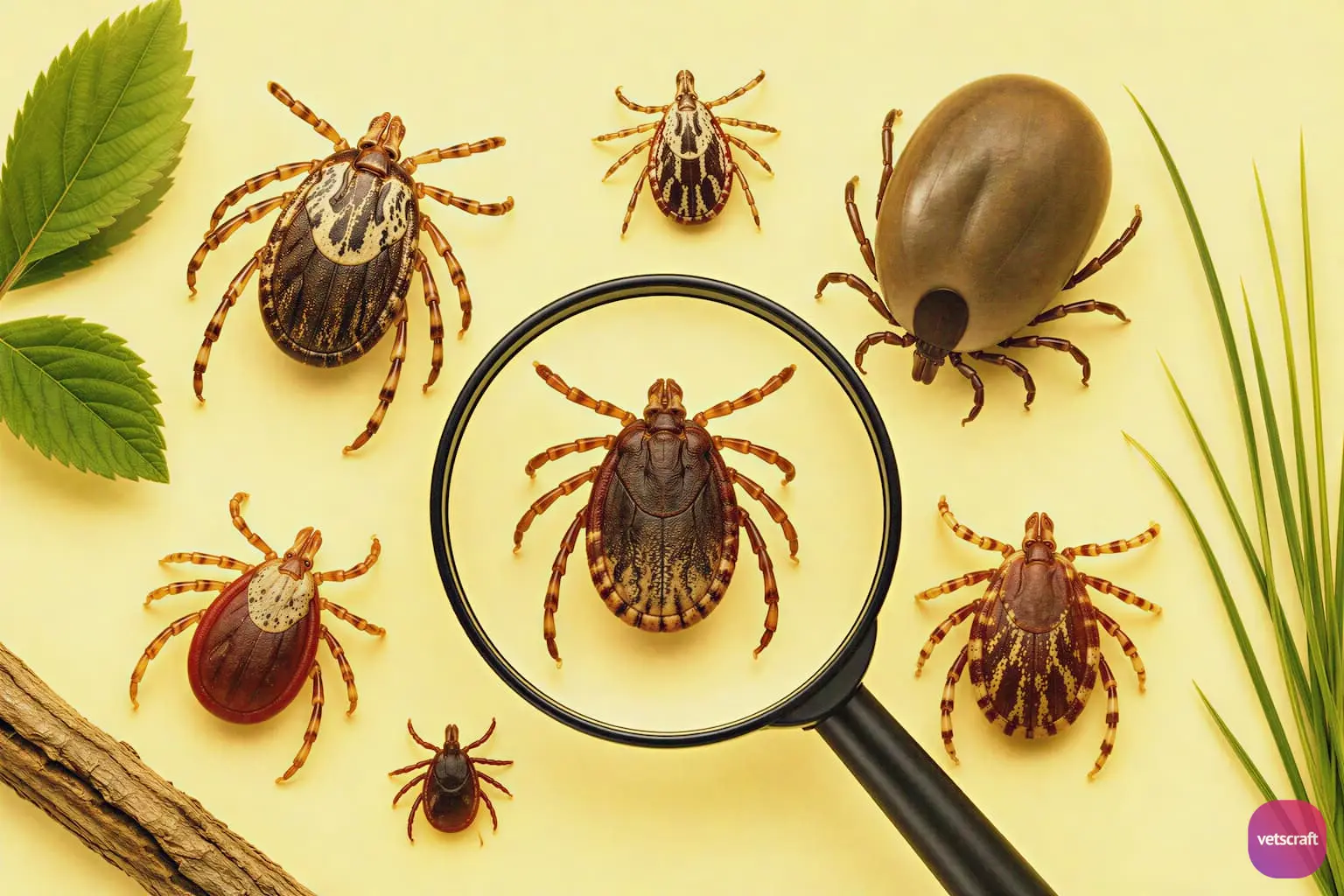
Learn about important ixodid tick species, their morphological differences, identification features, common names, and vector potential for veterinary and medical importance.
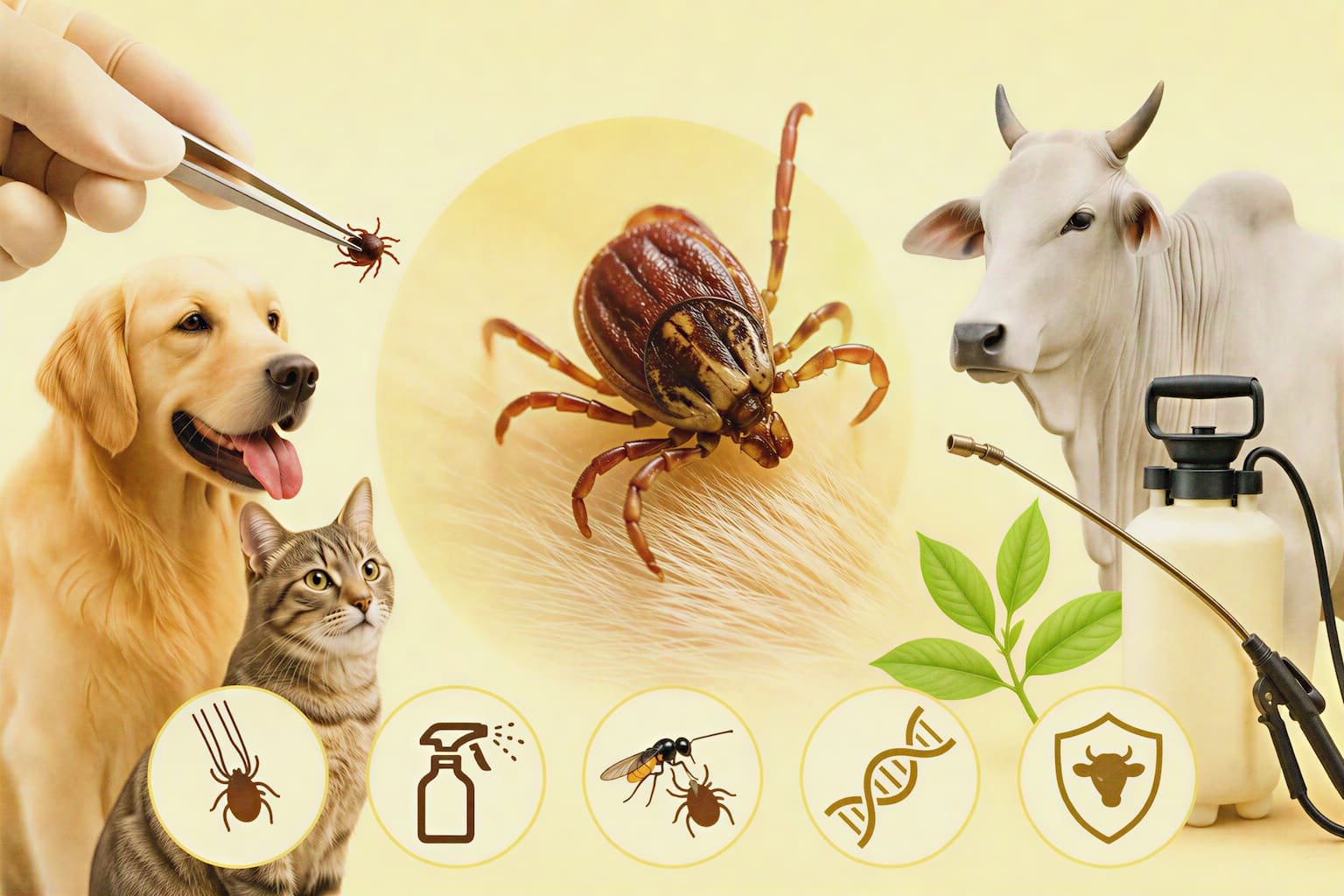
Learn about tick treatment and control in animals, including mechanical, chemical, biological, genetic, host resistance, vaccines, pheromones, and other control methods.
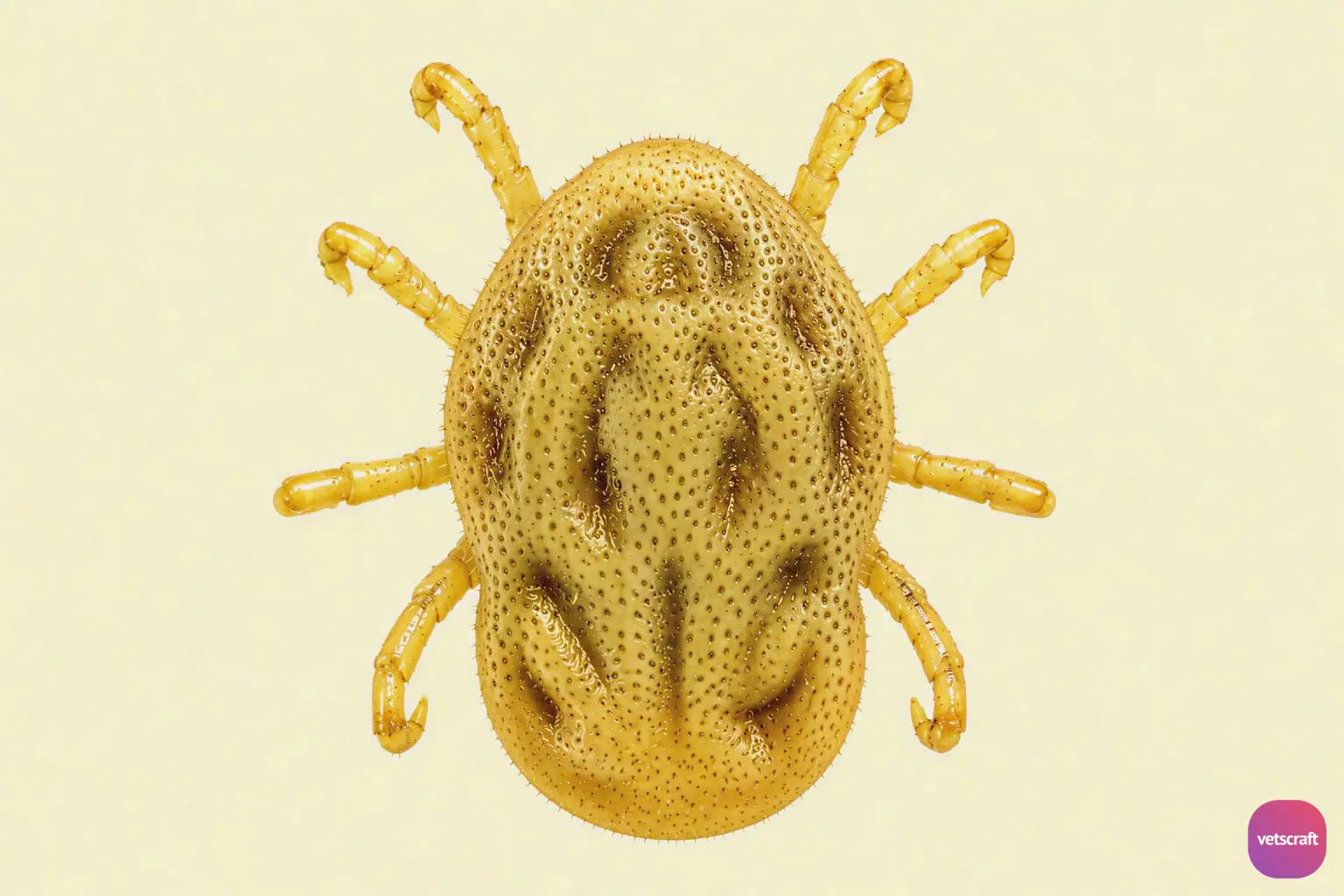
Learn about Otobius megnini (spinose ear tick), including its morphology, life cycle, pathogenesis, clinical signs, and control measures in animals.
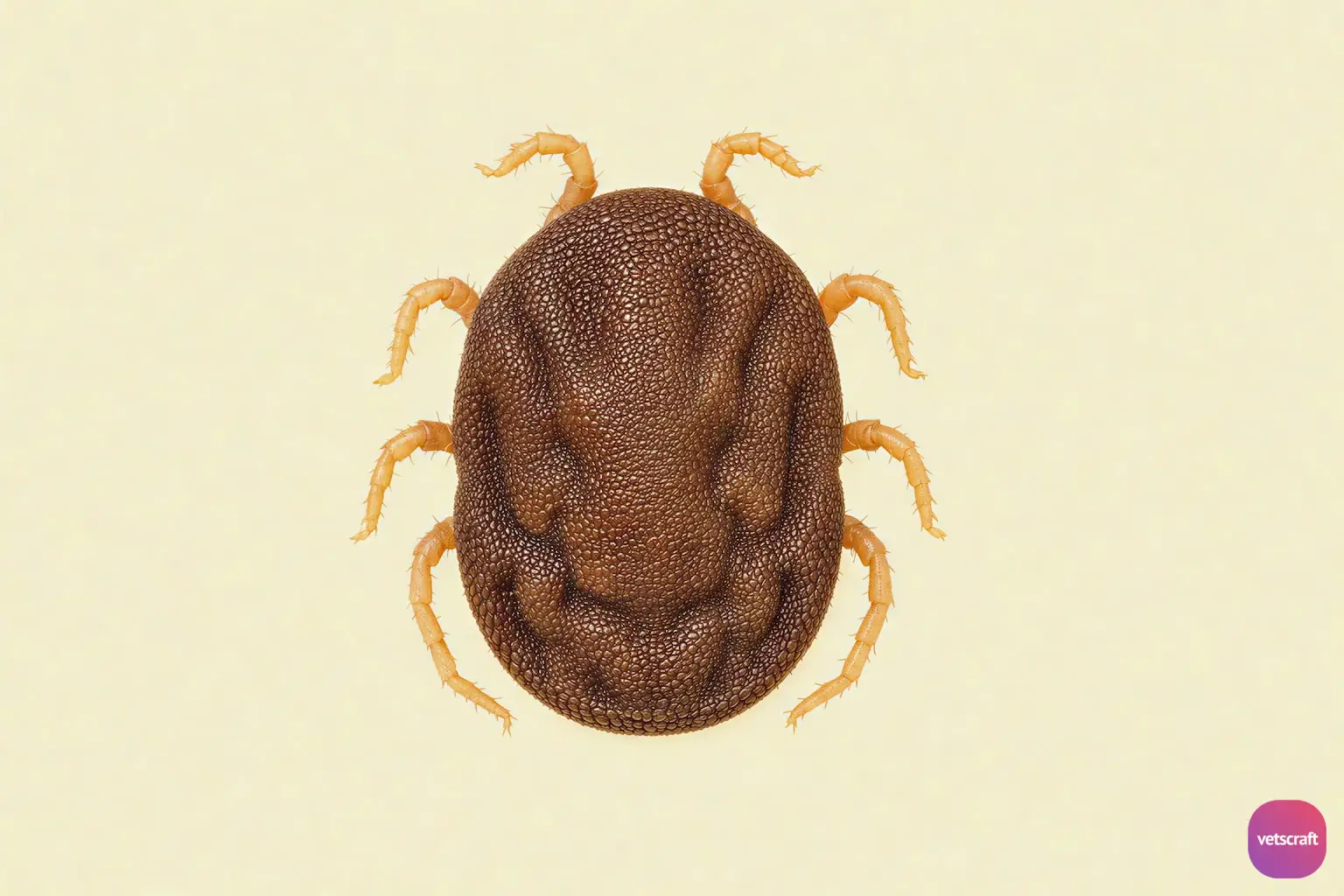
Learn about Ornithodoros ticks, including O. savignyi and O. moubata, their morphology, hosts, life cycle, and role as vectors of important diseases.
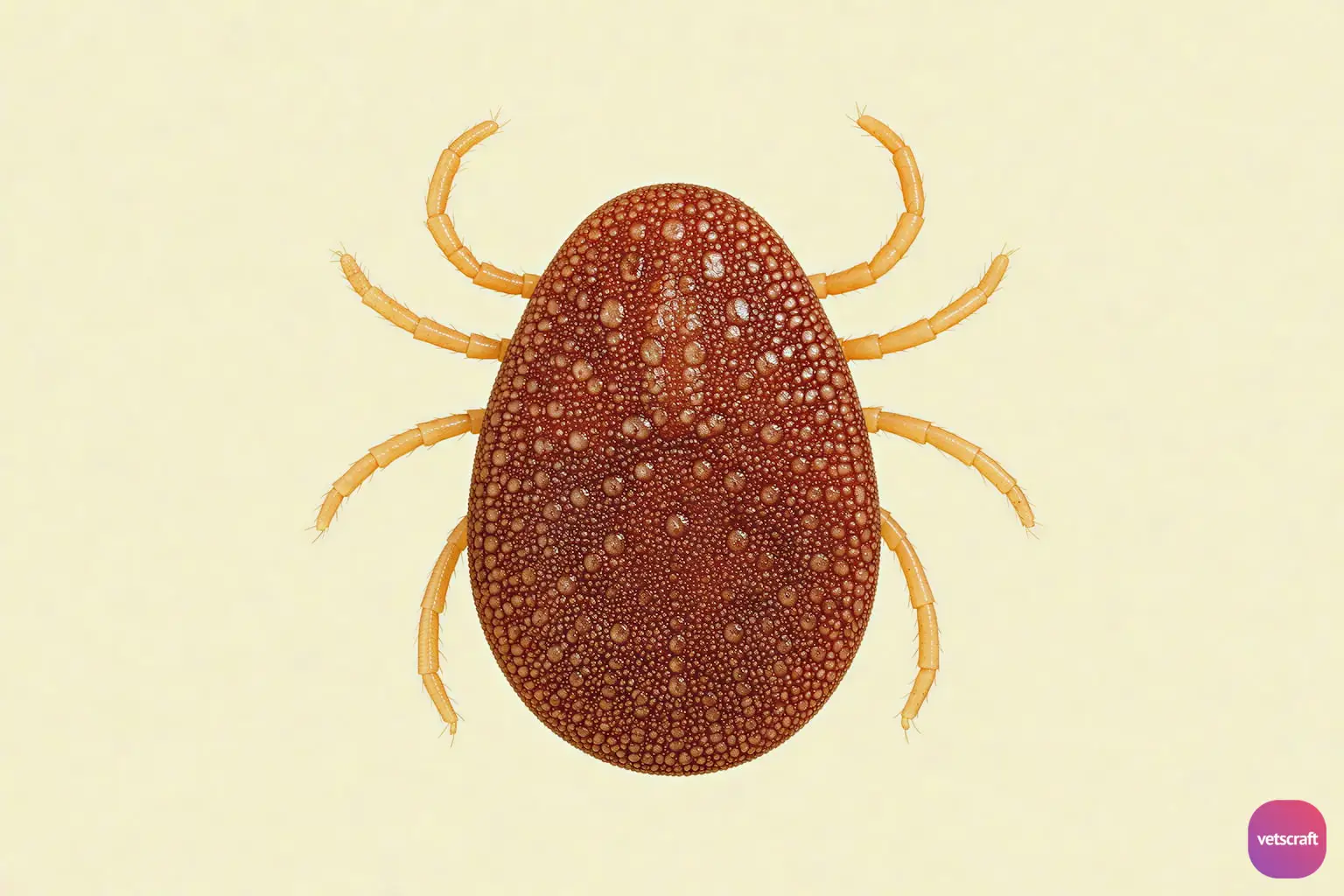
Learn about Argas ticks in birds, including Argas persicus and Argas reflexus, their morphology, life cycle, pathogenesis, and control measures.
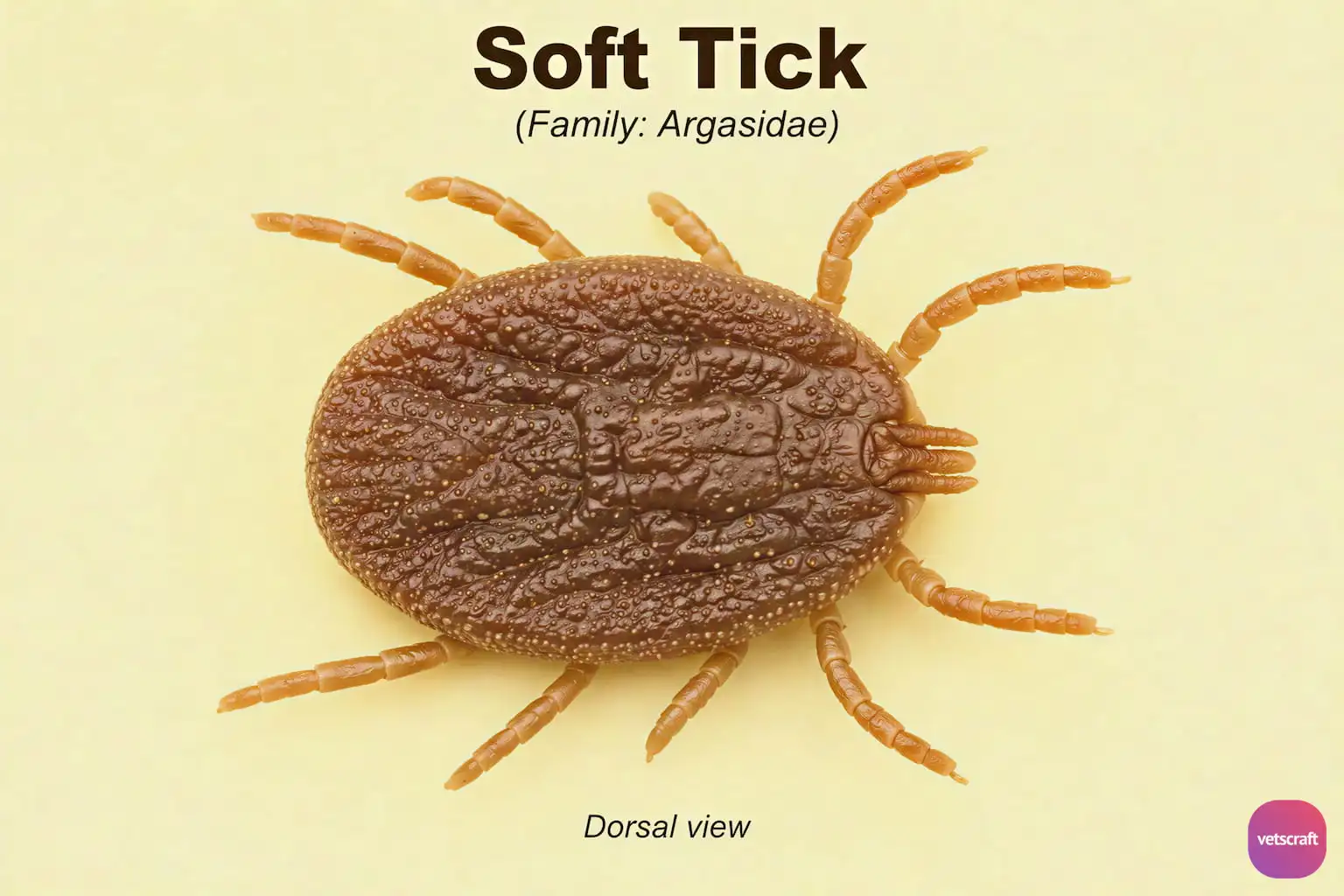
Learn the morphology and identification features of Argasidae (soft ticks), including body structure, capitulum, eyes, spiracles, legs, and nymphal stages.
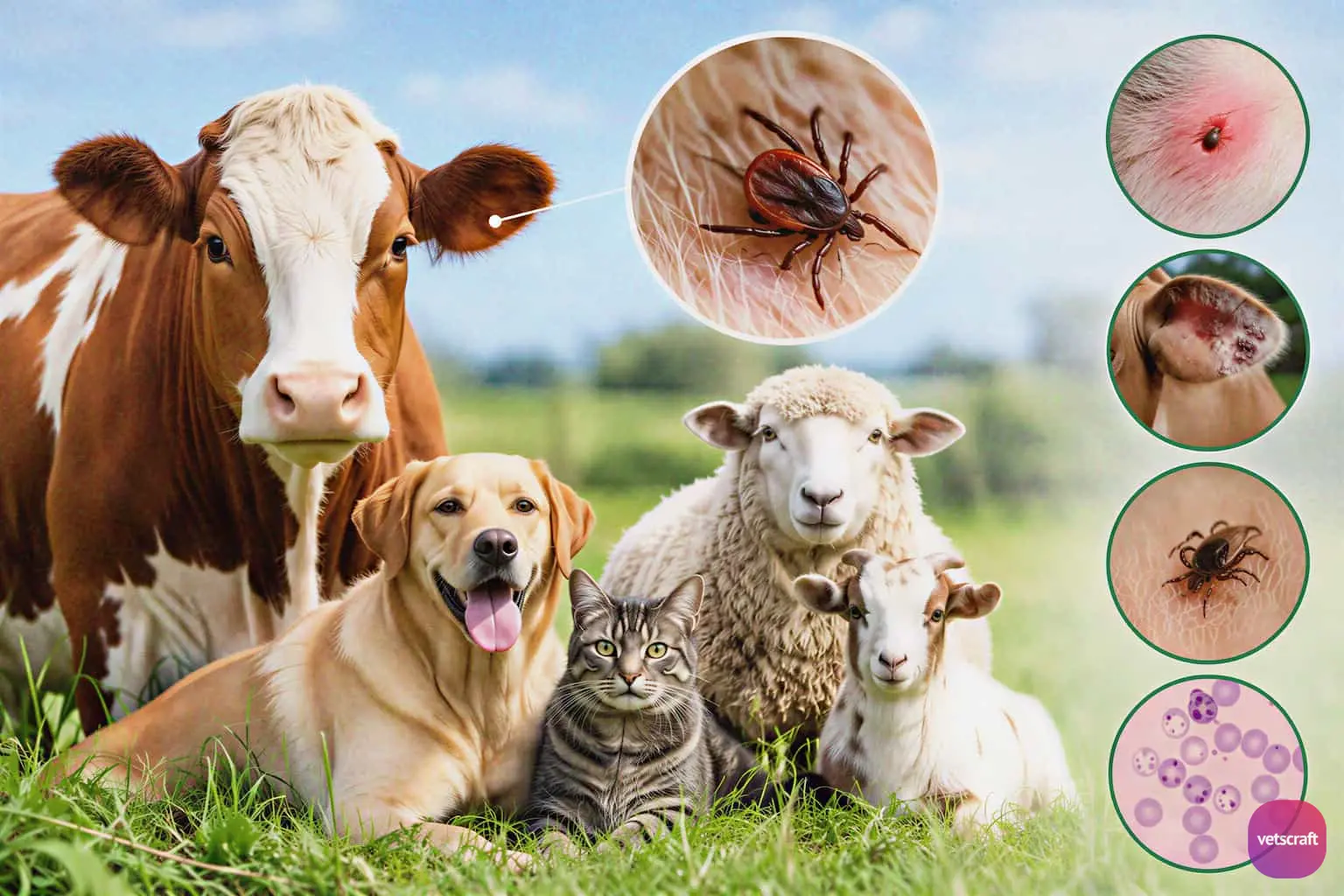
Learn about tick infestation in animals, including pathogenesis, tick toxicosis, tick paralysis, sweating sickness, clinical symptoms, treatment, and prevention.
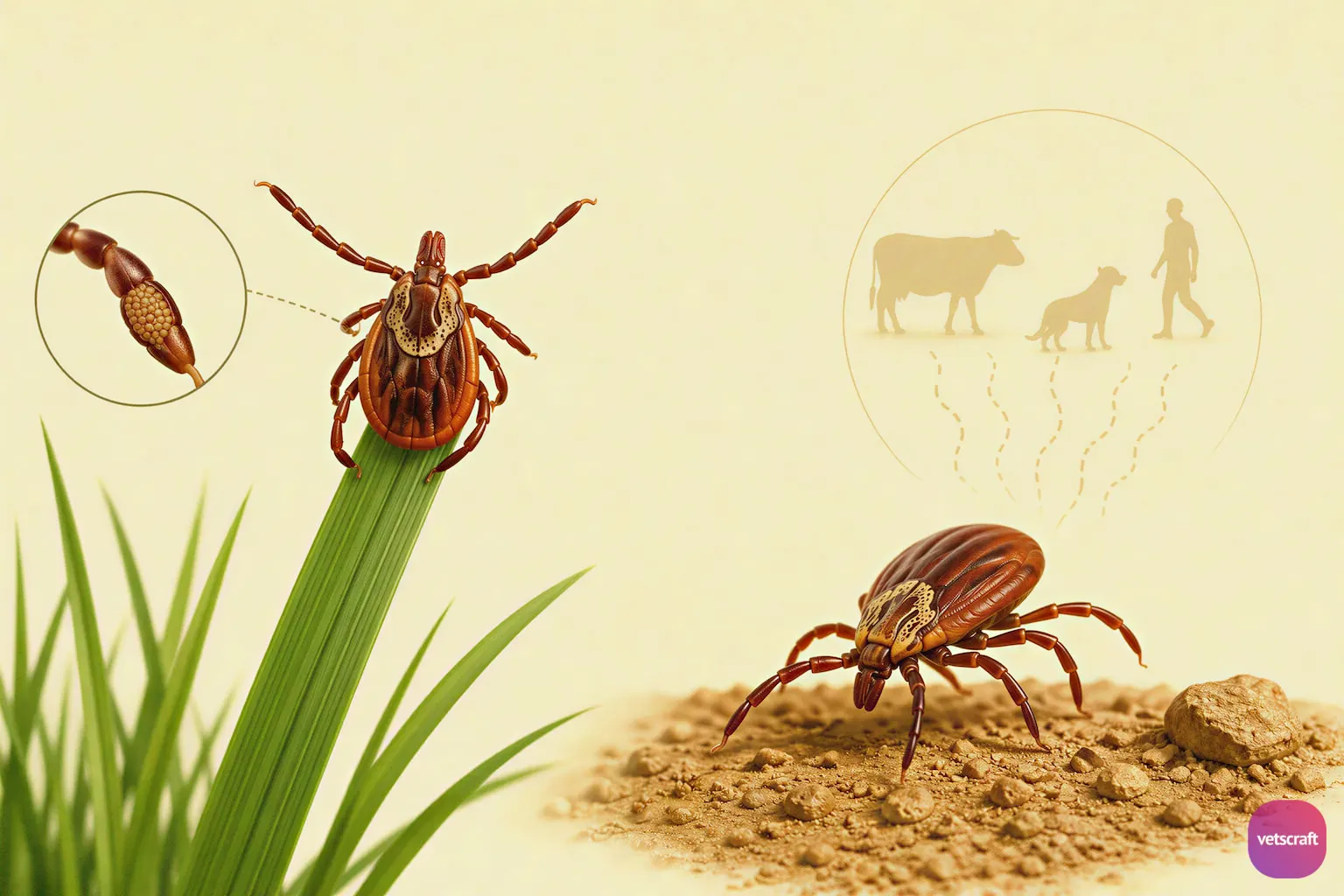
Learn about questing in ticks, including passive and active host-seeking strategies, questing behavior, host stimuli, and examples such as Boophilus and Hyalomma.
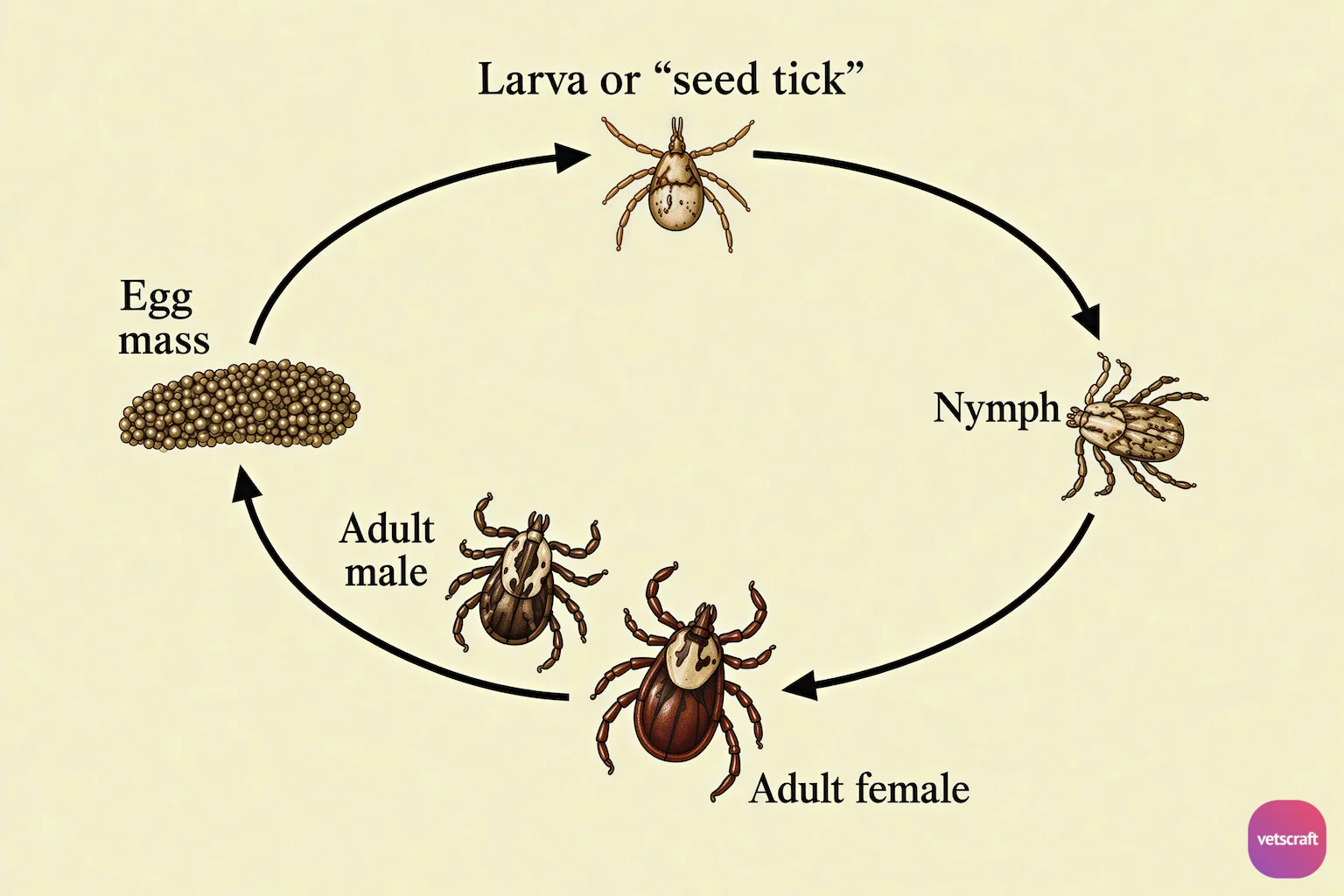
Learn the life cycle of ticks, including hard and soft ticks, larval and nymphal stages, and one-, two-, and three-host tick life cycles.