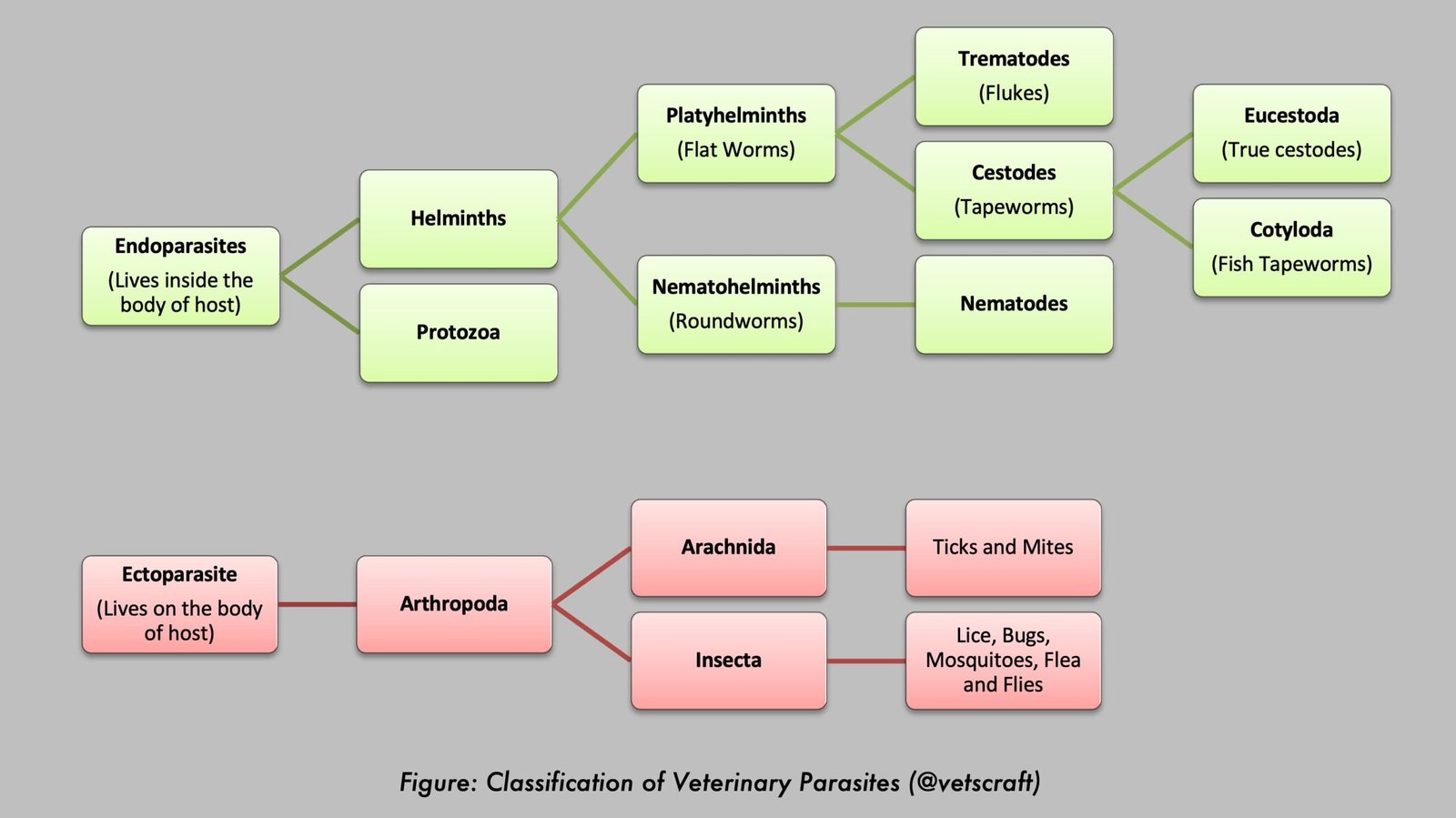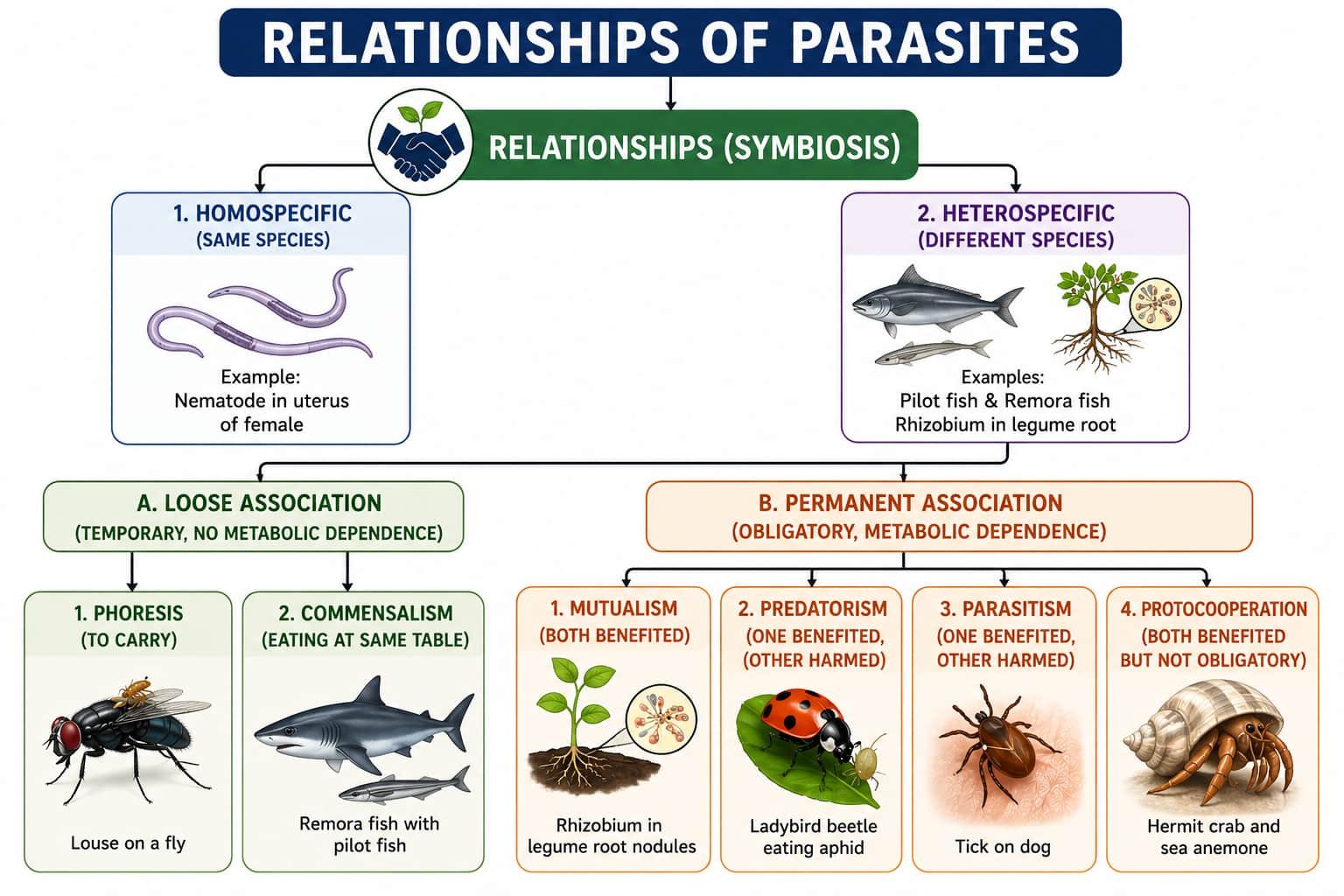
Gigantocotyle explanatum (Bile Duct Amphistome): Morphology and Identification
Gigantocotyle explanatum is a bile duct amphistome (fluke) primarily found in buffaloes and occasionally in other ruminants. Adult parasites inhabit the bile ducts and gallbladder, where they may cause mild pathological changes associated with attachment and irritation.
Taxonomical Classification
- Kingdom: Animalia
- Phylum: Platyhelminthes
- Class: Trematoda
- Subclass: Digenea
- Order: Echinostomida
- Suborder: Paramphistomata
- Superfamily: Paramphistomoidea
- Family: Paramphistomidae
- Genus: Gigantocotyle
- Species: Gigantocotyle explanatum
Parasite Overview
- Family: Paramphistomidae
- Common Name: Bile duct (liver) amphistome
- Host: Buffaloes; less commonly cattle, sheep, and goats.
- Location: Bile ducts of the liver, gallbladder, and occasionally the duodenum.
- Intermediate Host: Snails of Indoplanorbis exustus and Gyraulus convexiculus.
The eggs are large, operculated, and pale yellow in color, resembling those of other amphistomes.
Morphology
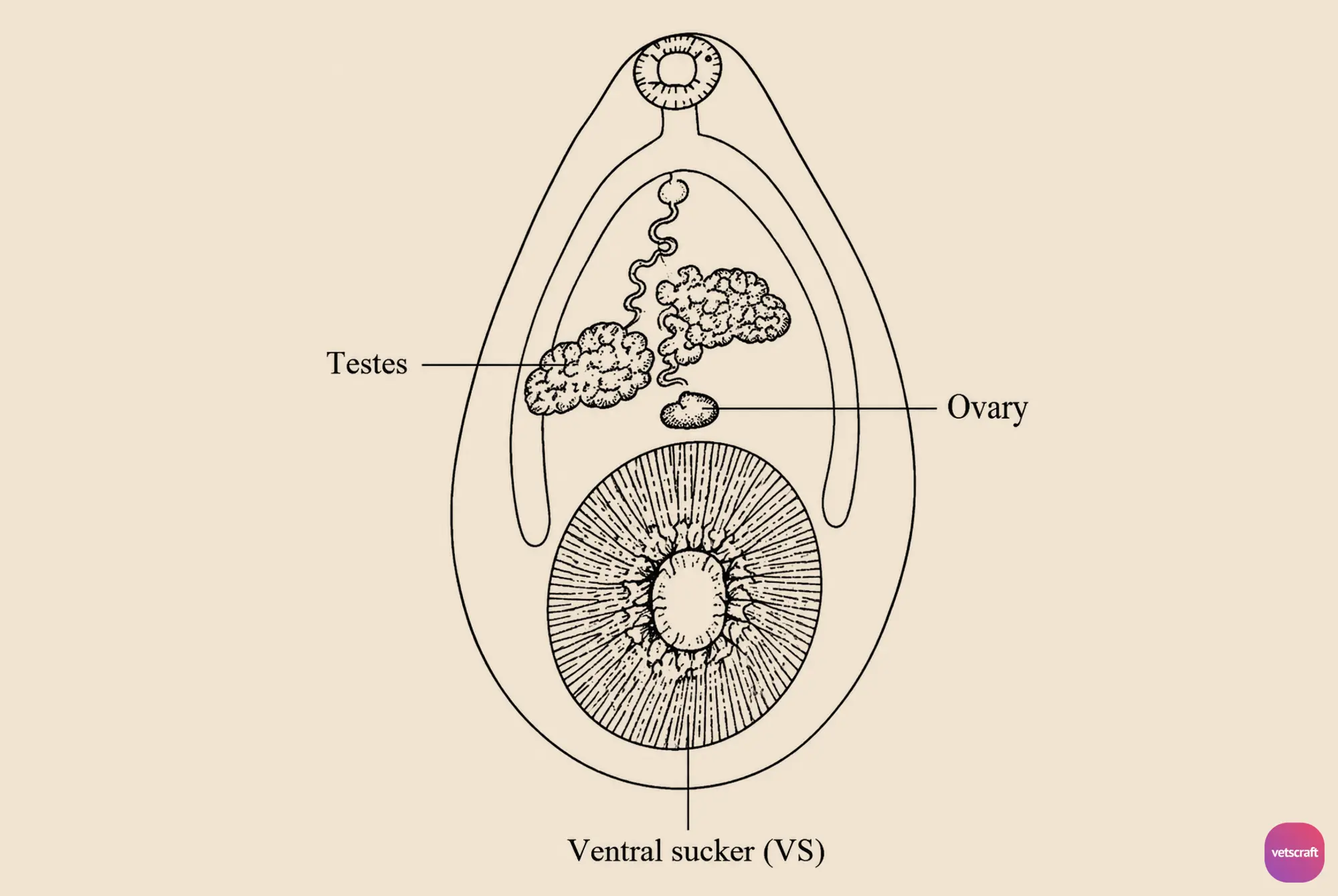
- Gigantocotyle explanatum measures approximately 0.3–1.3 × 0.366–0.47 cm.
- It possesses a very large ventral sucker (VS) at the posterior end.
- Intestinal ceca are unbranched.
- The testes are lobed and arranged diagonally.
- A single ovary is located posterior to the testes, just above the ventral sucker.
Life Cycle
Gigantocotyle explanatum has an indirect life cycle involving a freshwater snail as the intermediate host. Eggs passed in the feces of infected cattle and buffaloes hatch in water and release miracidia, which penetrate suitable snail hosts. Within the snail, the parasite develops through sporocyst, redia, and cercaria stages. Cercariae emerge from the snail and encyst on aquatic vegetation as metacercariae.
Ruminants become infected by ingesting vegetation contaminated with metacercariae while grazing. After excystation in the intestine, immature flukes migrate to the bile ducts, where they mature into adult parasites and complete their life cycle.
Bile Duct Amphistomes
Gigantocotyle explanatum causes a series of superficial hemorrhages in the bile ducts and gallbladder, indicating sites of attachment, but generally produces no severe pathogenic effects. In very heavy infections, the liver may appear pale and exhibit varying degrees of fibrosis.
For information on the general life cycle, epidemiology, pathogenesis, histopathological lesions, clinical signs, diagnosis, treatment, and control of amphistome infections, refer to our detailed article on Amphistomes. The principles discussed in that article are broadly applicable to infections caused by Gigantocotyle explanatum.