
Locomotion in Protozoa
Veterinary ParasitologyLearn about the locomotion of protozoa, including flagella, cilia, pseudopodia, and gliding, with their structure, functions, and mechanisms of movement.
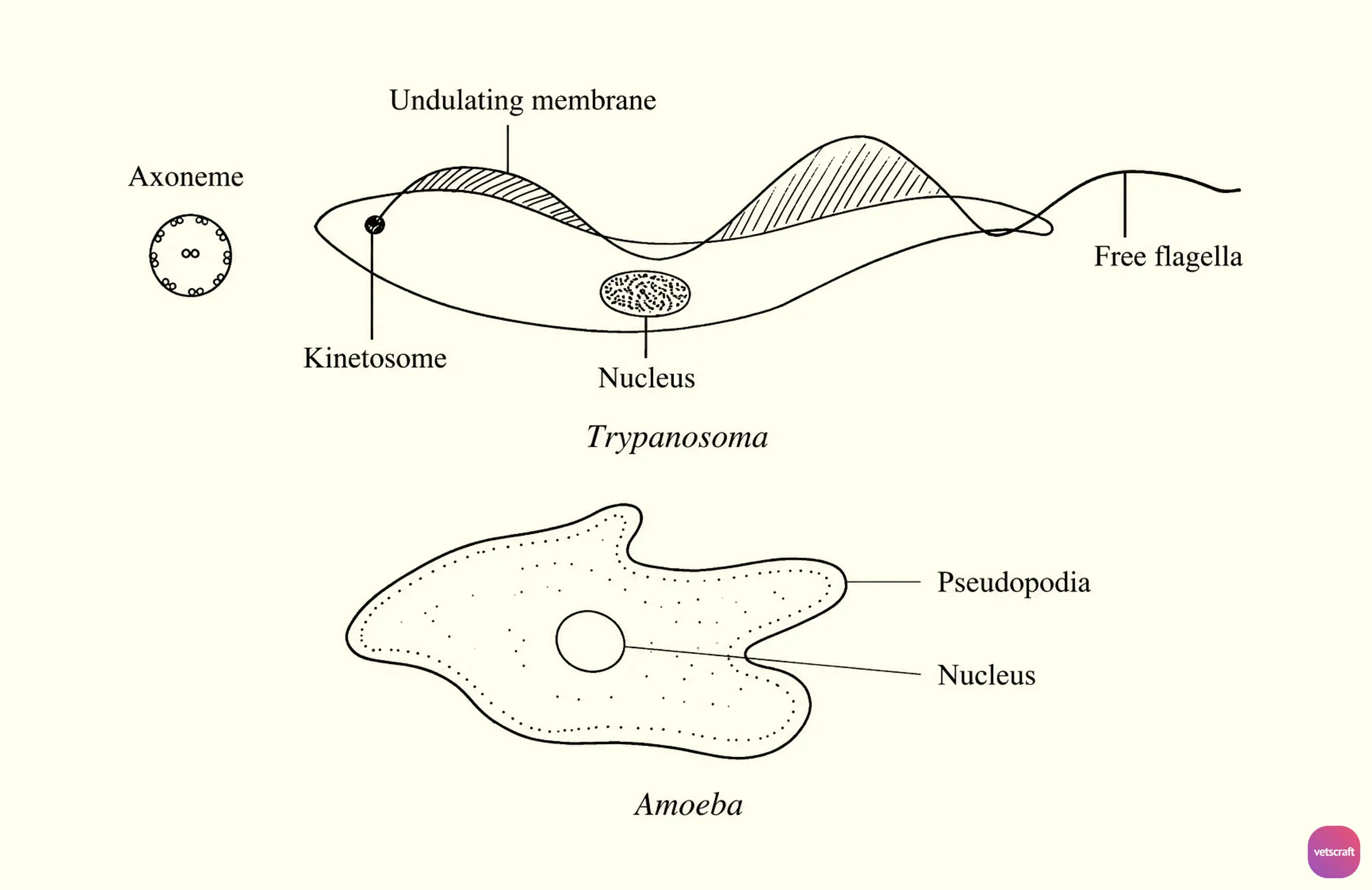
Learn about the locomotion of protozoa, including flagella, cilia, pseudopodia, and gliding, with their structure, functions, and mechanisms of movement.
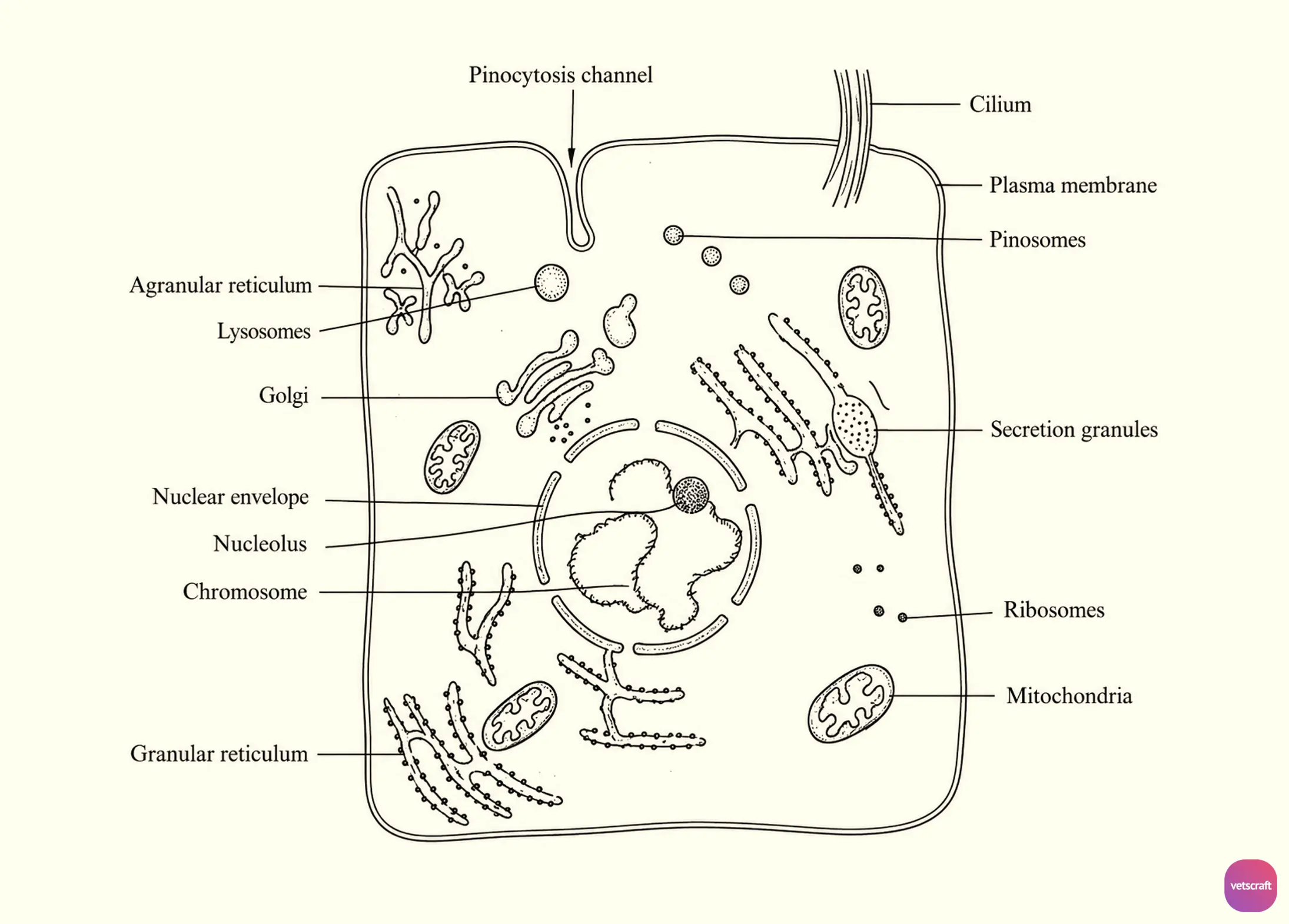
Learn the fundamentals of veterinary protozoology, including the introduction to protozoa, protozoan cell structure, organelles, and the types of nuclei in veterinary parasitology.
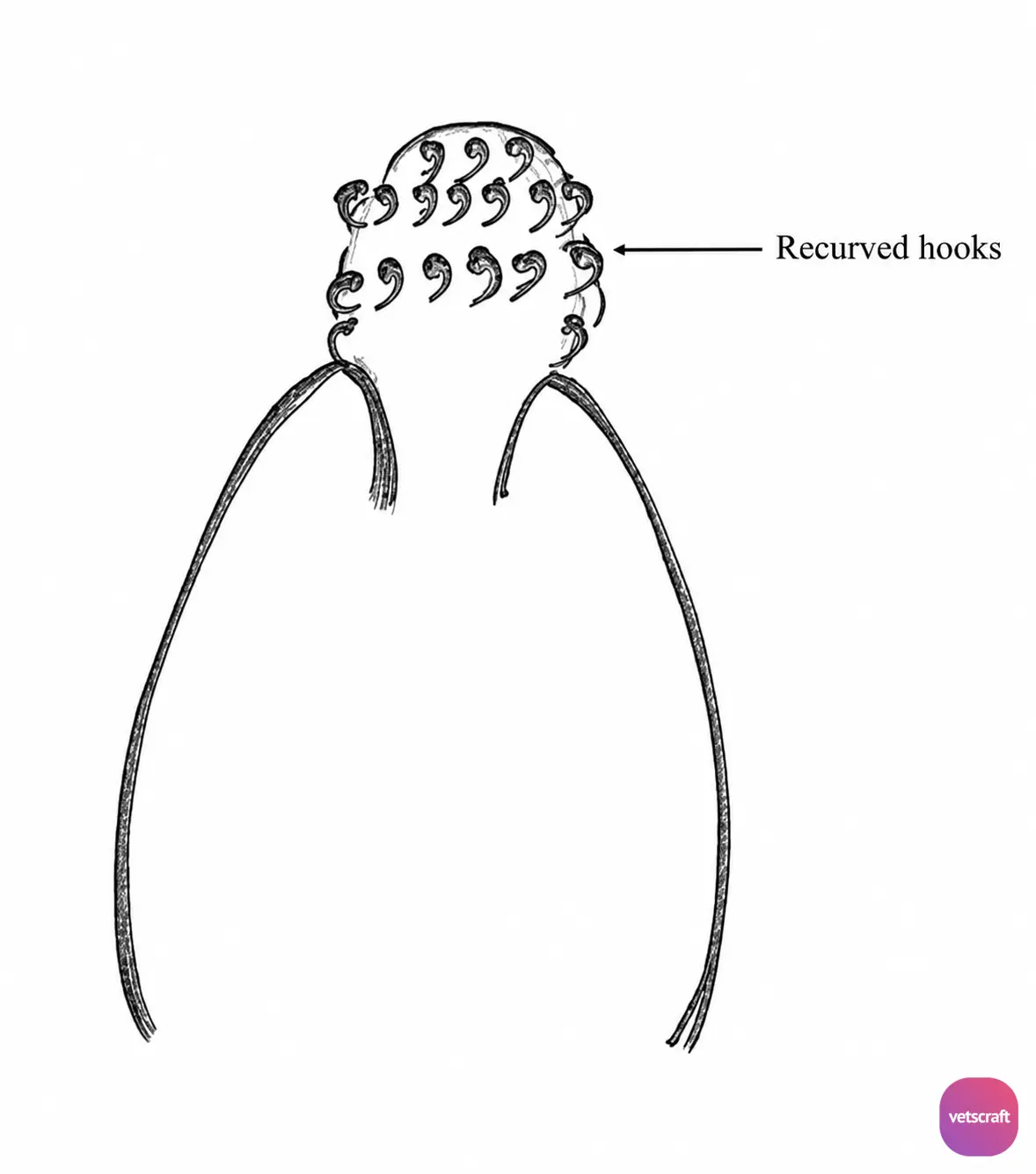
Learn about Macracanthorhynchus hirudinaceus (thorny-headed worm) in pigs, including morphology, life cycle, pathogenesis, clinical signs, diagnosis, and treatment.
Learn about Acanthocephala (thorny-headed worms), including morphology, life cycle, important veterinary species, classification, and veterinary importance.
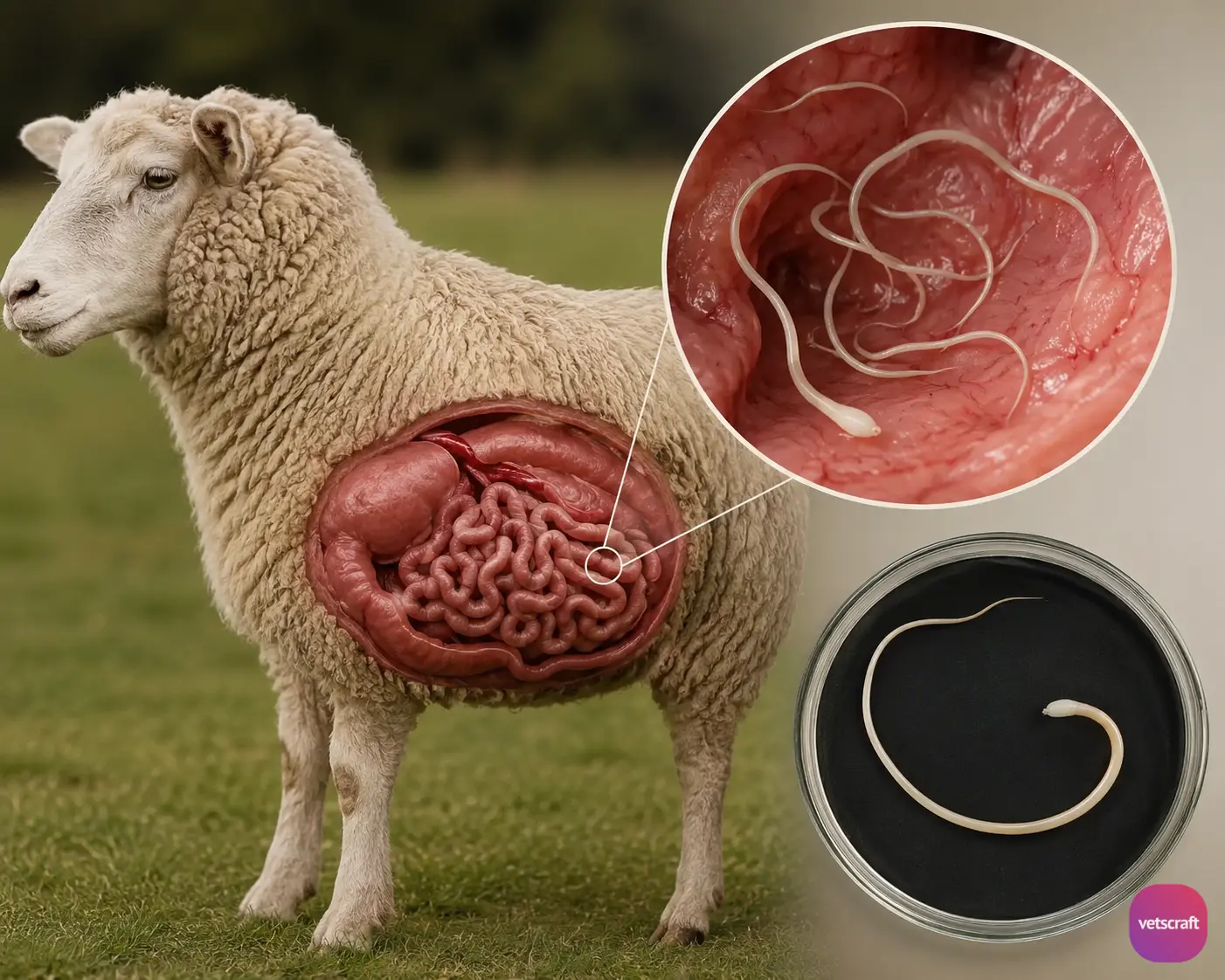
Learn about Trichuris ovis (true whipworm), including its morphology, pathogenesis, clinical signs, diagnosis, and treatment in sheep and goats.
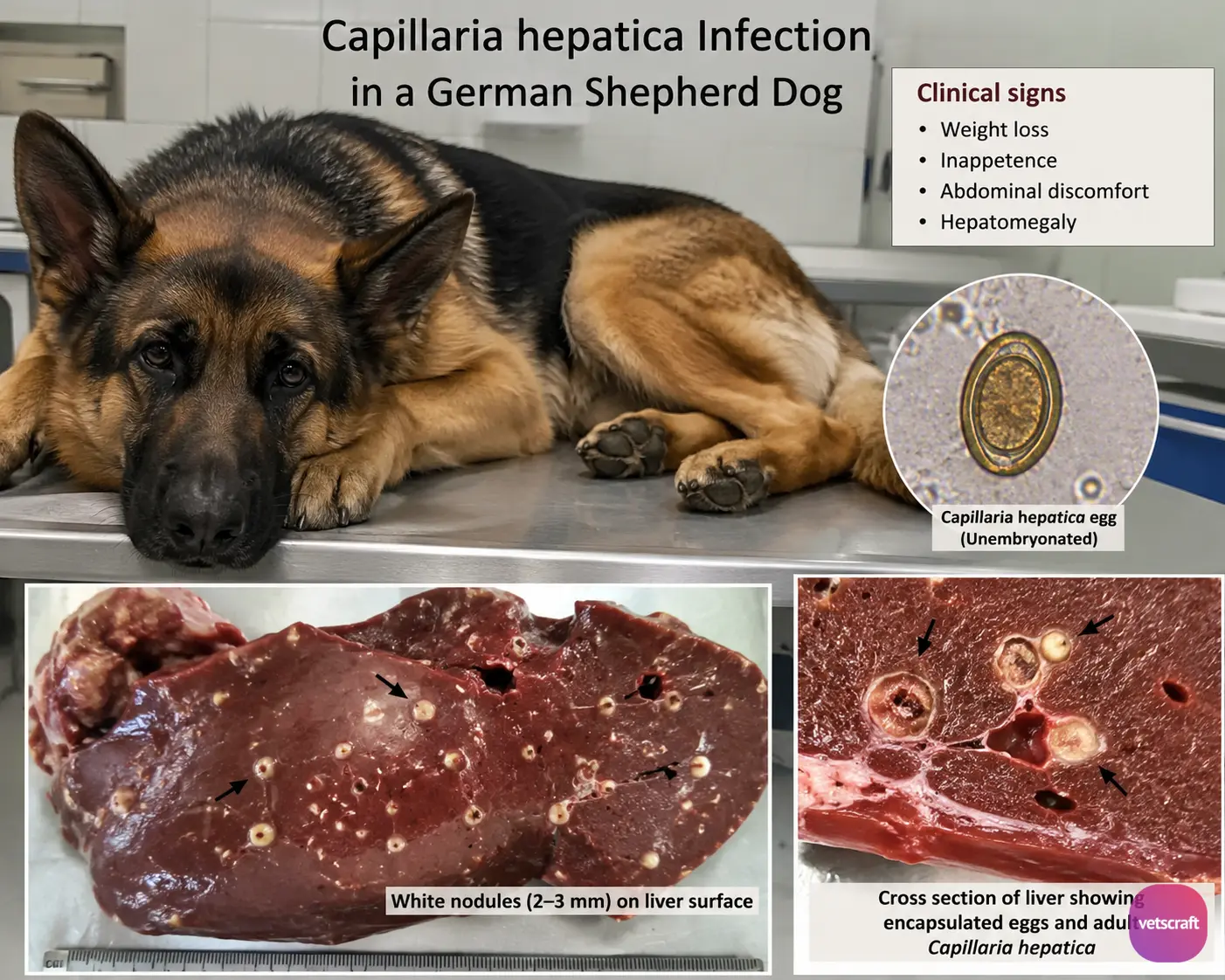
Learn about Capillaria hepatica (hepatic capillary worm), including its life cycle, hosts, pathogenesis, diagnosis, treatment, and zoonotic importance.
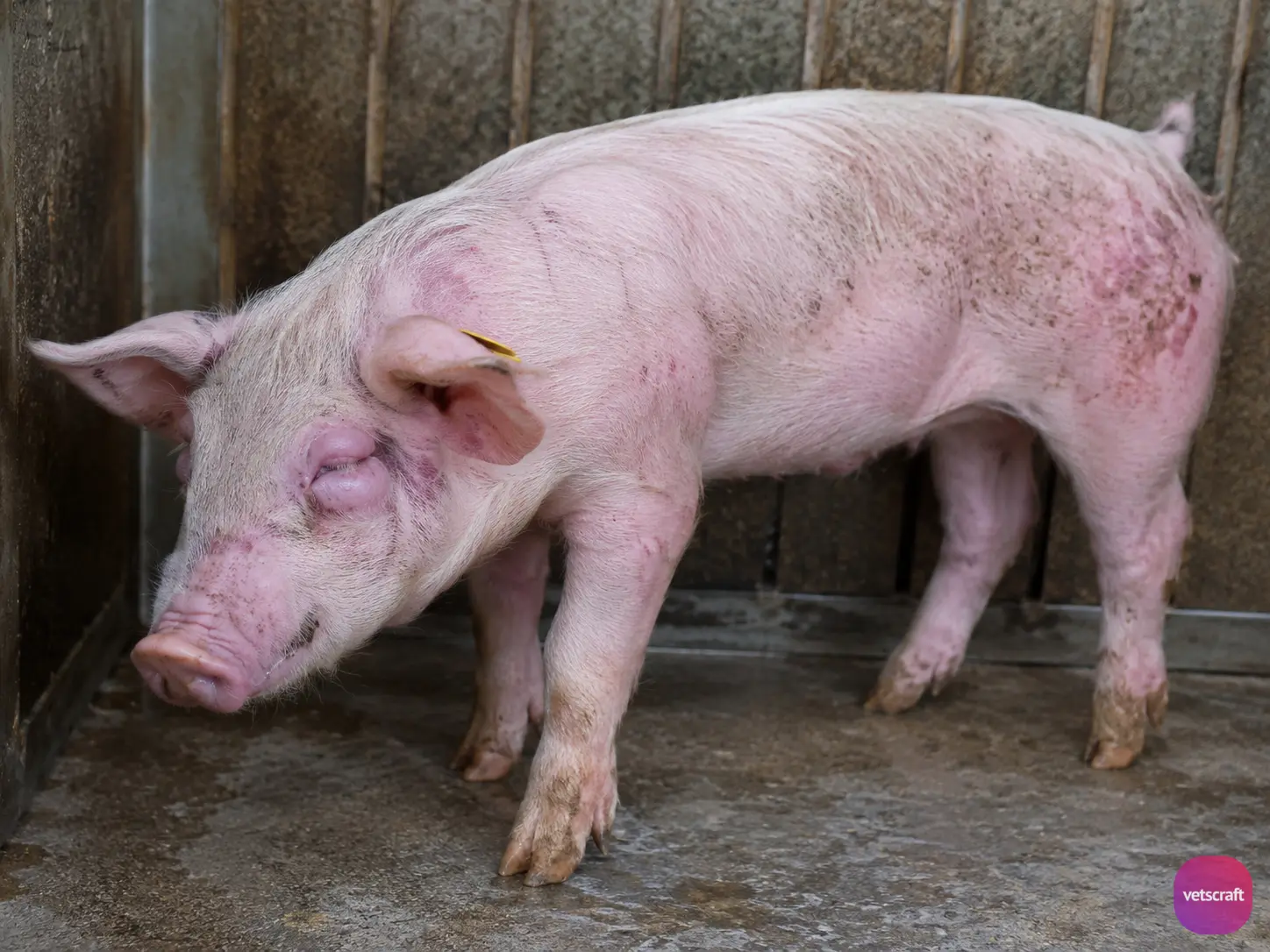
Learn about Trichinella spiralis including morphology, life cycle, pathogenesis, clinical signs, diagnosis, treatment, prevention, and zoonotic significance.
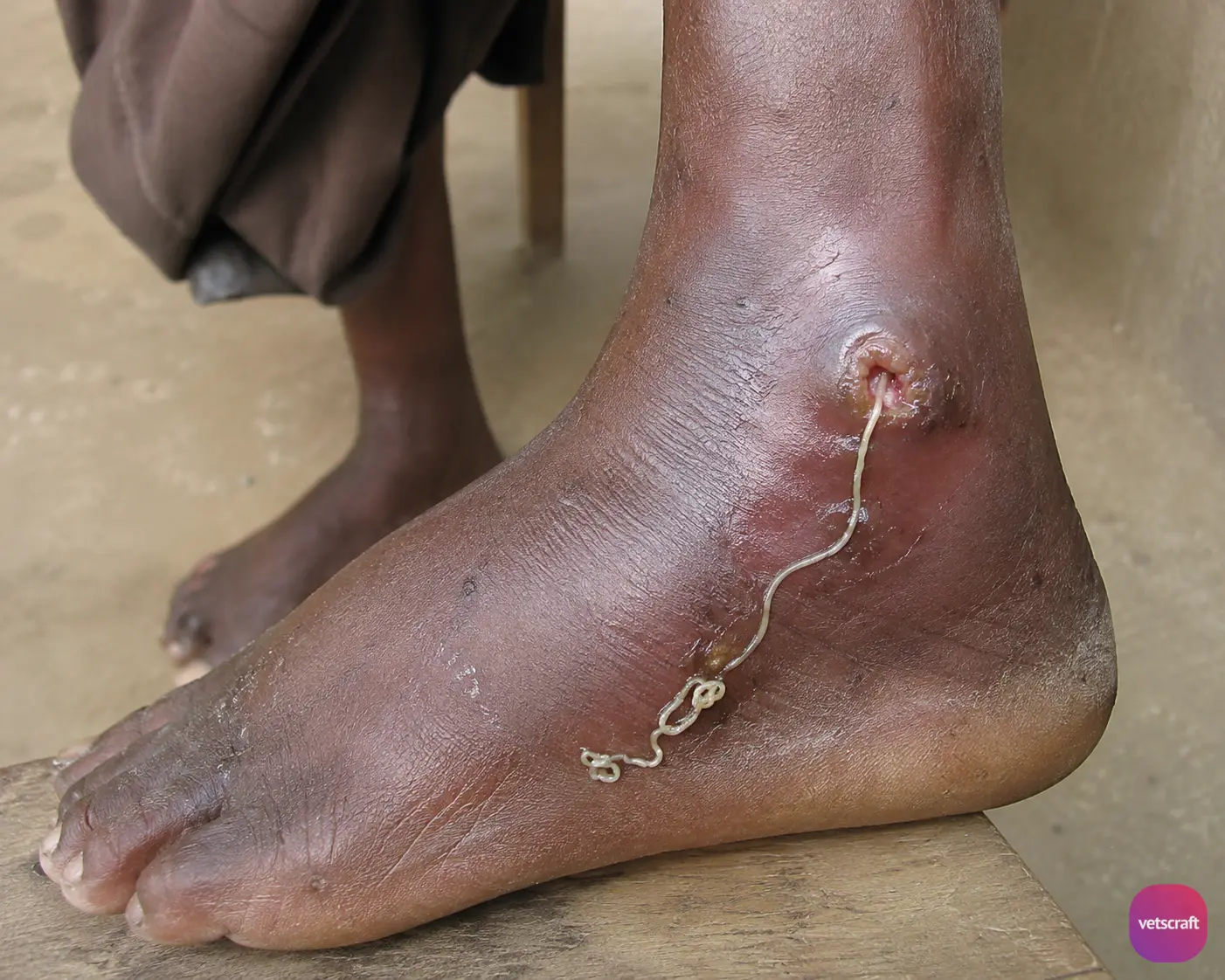
Learn about Guinea Worm (Dracunculus medinensis), including its morphology, life cycle, transmission, pathogenesis, clinical signs, treatment, and control.
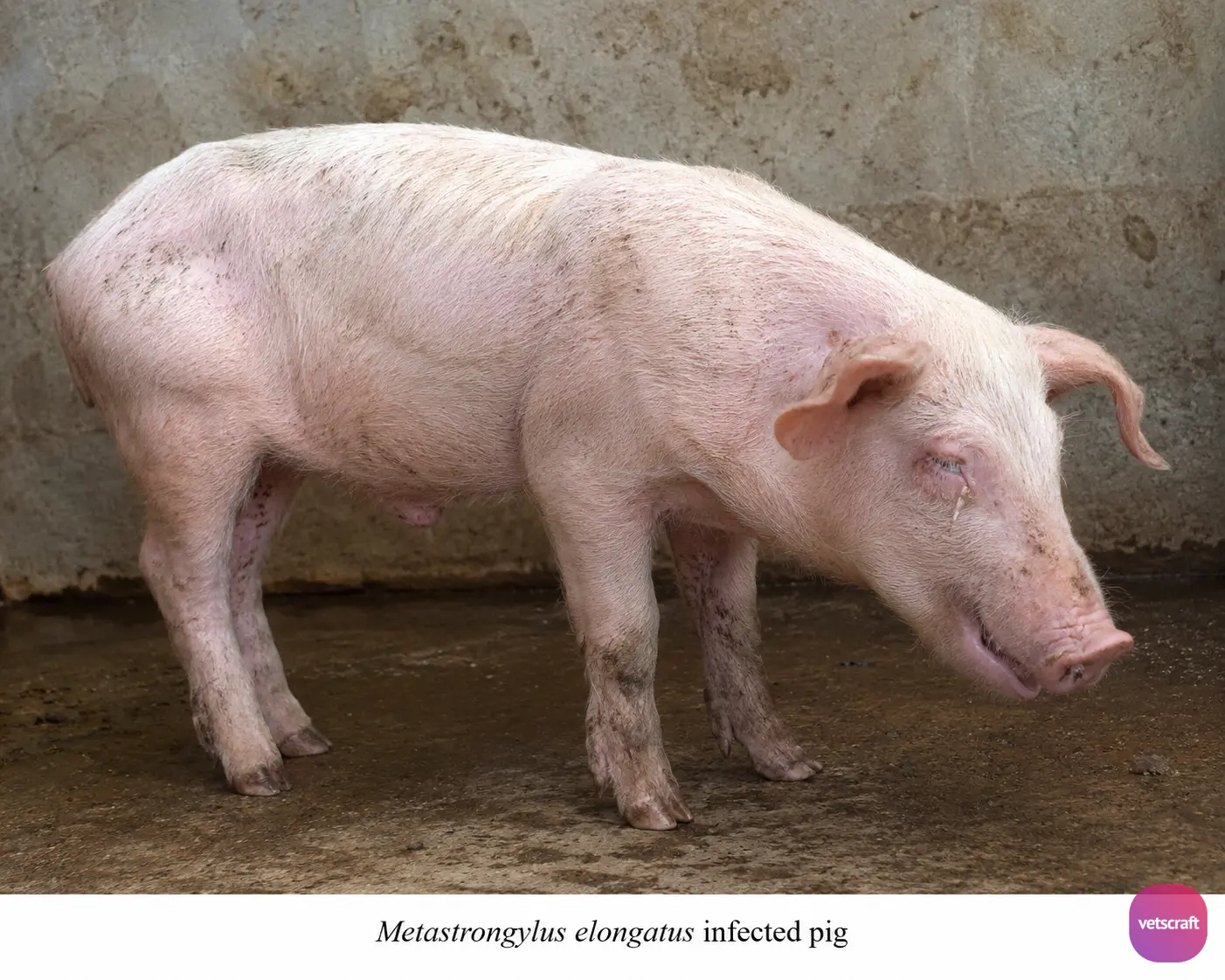
Learn about Metastrongylus elongatus (pig lungworm), including its classification, hosts, predilection site, disease caused, and veterinary significance.
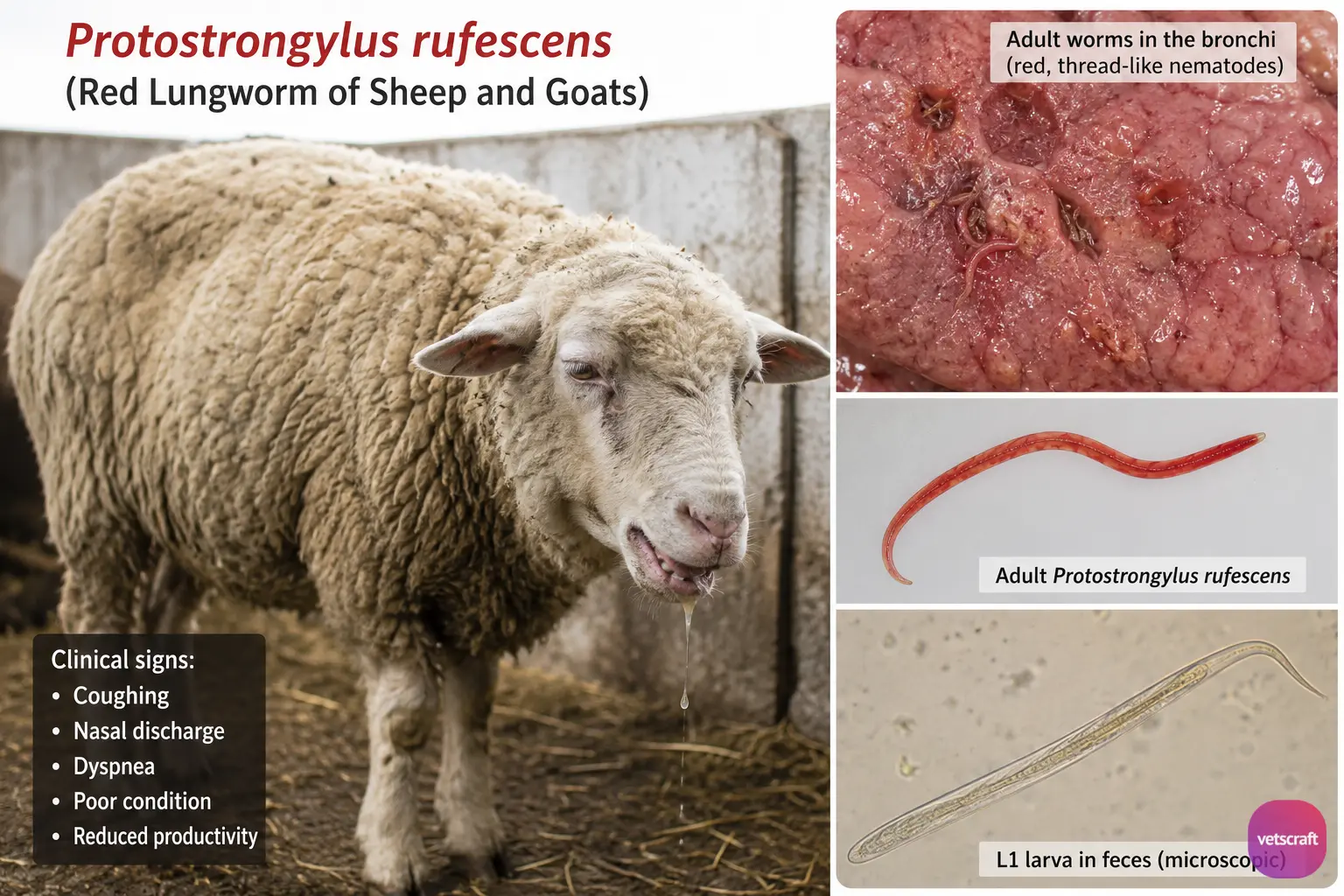
Learn about Protostrongylus rufescens (red lungworm of sheep and goats), including its life cycle, pathogenesis, clinical signs, diagnosis, treatment, and prevention.
Protostrongylus rufescens (Red lungworm of Sheep and Goat) Read More »