TABLE OF CONTENTS
Leucocytozoon caulleryi (Akiba caulleryi): Morphology, Life Cycle, Lesions & Treatment
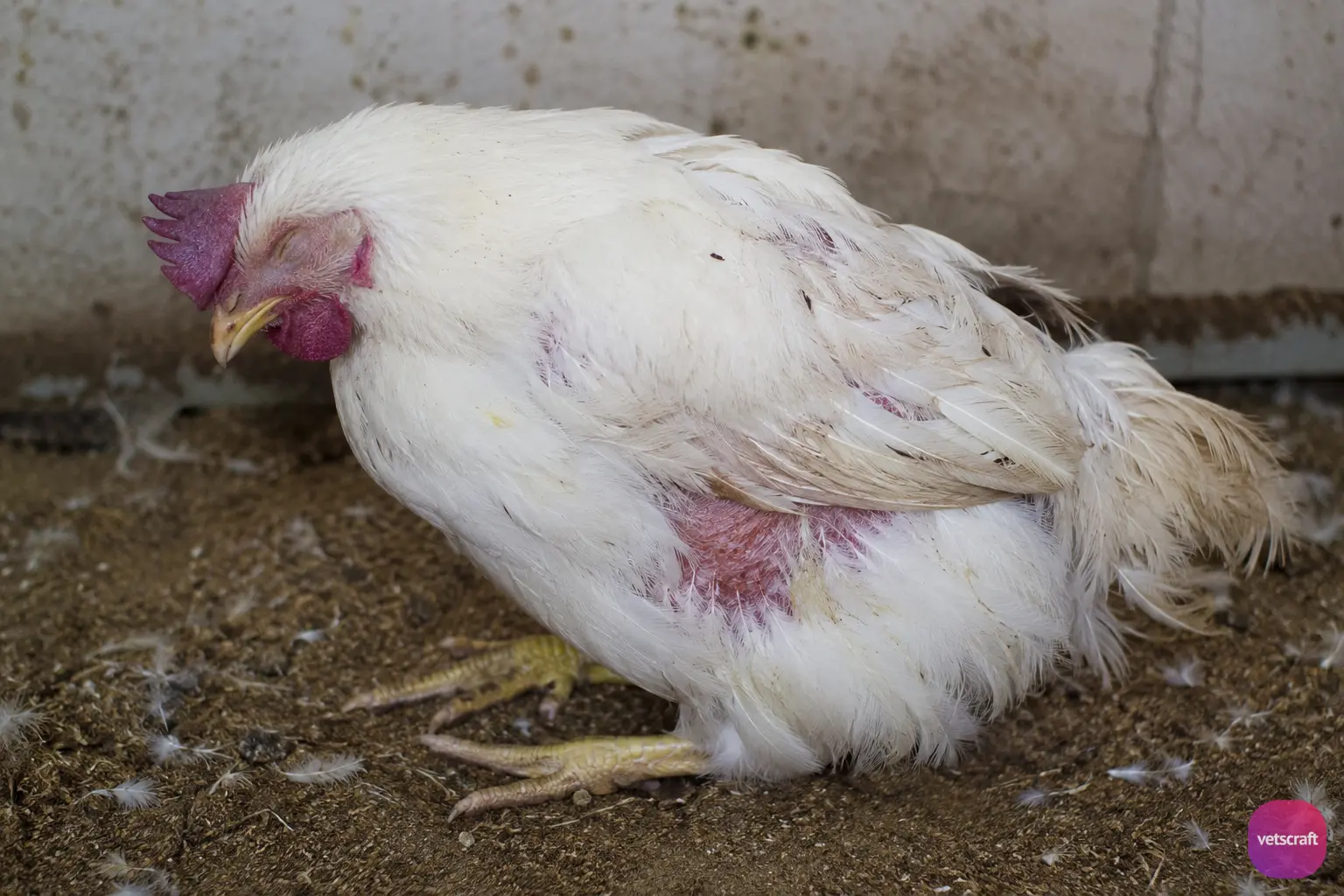
Leucocytozoon caulleryi (Akiba caulleryi) is an apicomplexan hemoprotozoan parasite of domestic chickens that causes avian leucocytozoonosis. It is transmitted by black flies of the genus Simulium and primarily infects blood cells and various internal organs during its life cycle. The infection can lead to anemia, hemorrhages, and significant economic losses in poultry production, particularly in endemic regions.
This article provides a concise overview of Leucocytozoon caulleryi, including its taxonomical classification, morphology, life cycle, characteristic postmortem lesions, and treatment.
Parasite Overview
- Host: Domestic chicken
- Vector: Simulium
- Common Name: Chicken leucocytozoon parasite
Taxonomical Classification
- Kingdom: Protista
- Phylum: Apicomplexa
- Class: Sporozoea
- Order: Haemosporida
- Family: Leucocytozoidae
- Genus: Leucocytozoon (Akiba)
- Species: Leucocytozoon caulleryi (Akiba caulleryi)
Morphology
The mature gamonts are round. The host cell is not distorted but is enlarged. The host cell nucleus is compressed to one side, forming a band that extends approximately one-third of the way around the parasite.
Life Cycle
The life cycle is similar to that of Leucocytozoon simondi (Akiba simondi).
Postmortem Lesions
Anemia, hemorrhages in the lungs, liver, and kidneys, splenomegaly, and white spots on the heart muscle. Megaloschizonts are found in the kidneys, lungs, and heart.
Treatment
Sulphamonomethoxine sodium at 1 g/L of drinking water.