Trypanosoma theileri (Occult Trypanosome): Morphology, Transmission, Pathogenesis, Diagnosis & Treatment
Trypanosoma theileri is a large, generally nonpathogenic hemoflagellate protozoan parasite belonging to the subgenus Megatrypanum. It primarily infects cattle and other ruminants and has a worldwide distribution. Because parasitemia is usually very low, the parasite is rarely detected in routine blood smears, and is therefore commonly referred to as an occult trypanosome or cryptic trypanosome.
Although T. theileri is generally considered nonpathogenic, it may produce clinical manifestations in stressed or immunocompromised animals, particularly following transportation, vaccination, calving, or concurrent infections.
Parasite Overview
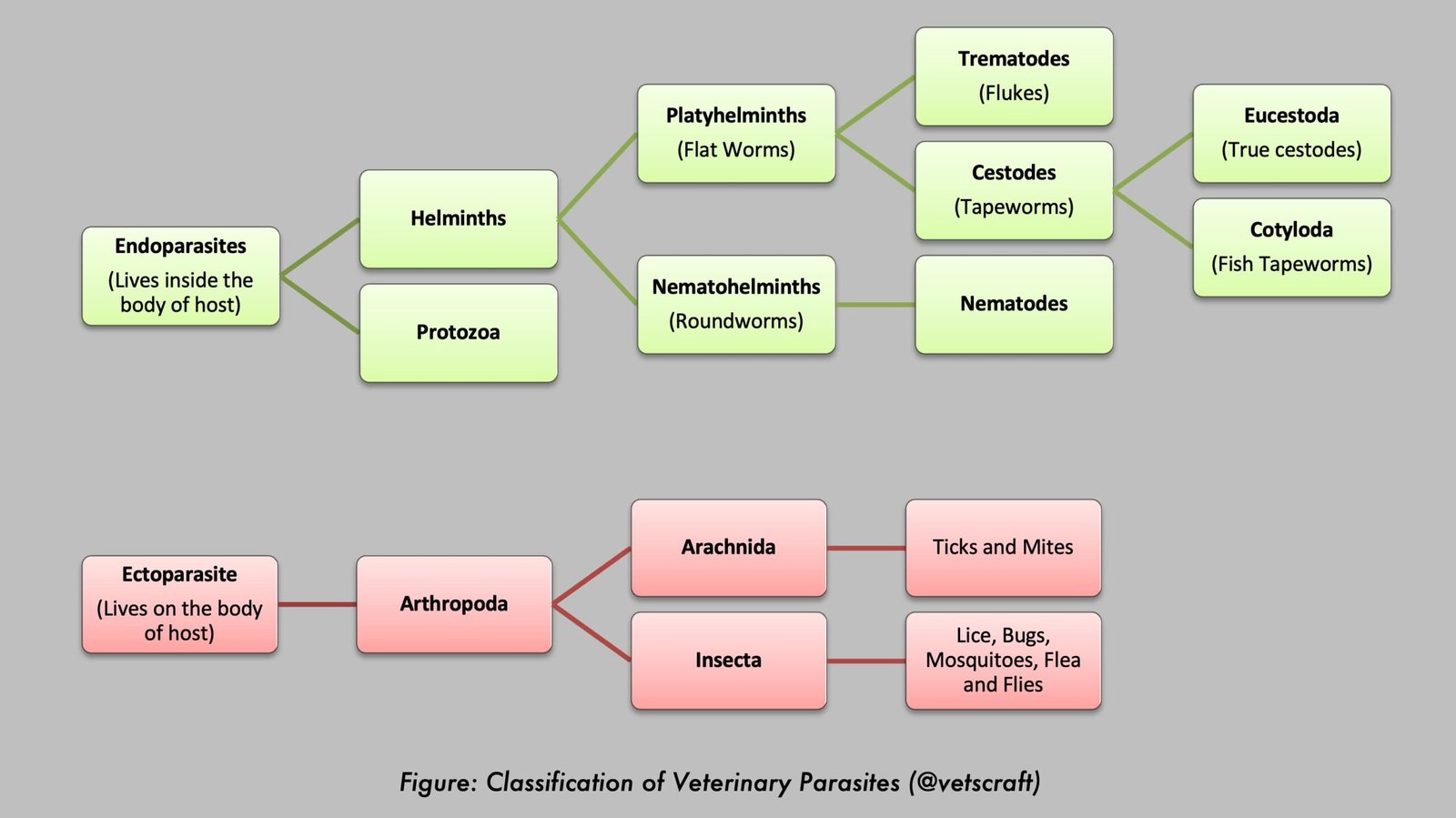
- Host: Domestic cattle, buffalo, zebu cattle, bison, antelope, and deer.
- Predilection Site: Bloodstream, lymphatic system, and various tissues (especially lymph nodes and internal organs)
- Vector: Horse flies (Tabanus spp.) and other biting flies.
- Distribution: Worldwide
- Infective Stage: Bloodstream trypomastigote
- Zoonotic Potential: No; Trypanosoma theileri is not considered zoonotic.
Taxonomical Classification
- Kingdom: Protista
- Phylum: Euglenozoa
- Class: Kinetoplastea
- Order: Trypanosomatida
- Family: Trypanosomatidae
- Genus: Trypanosoma
- Subgenus: Megatrypanum
- Species: Trypanosoma theileri
Morphology
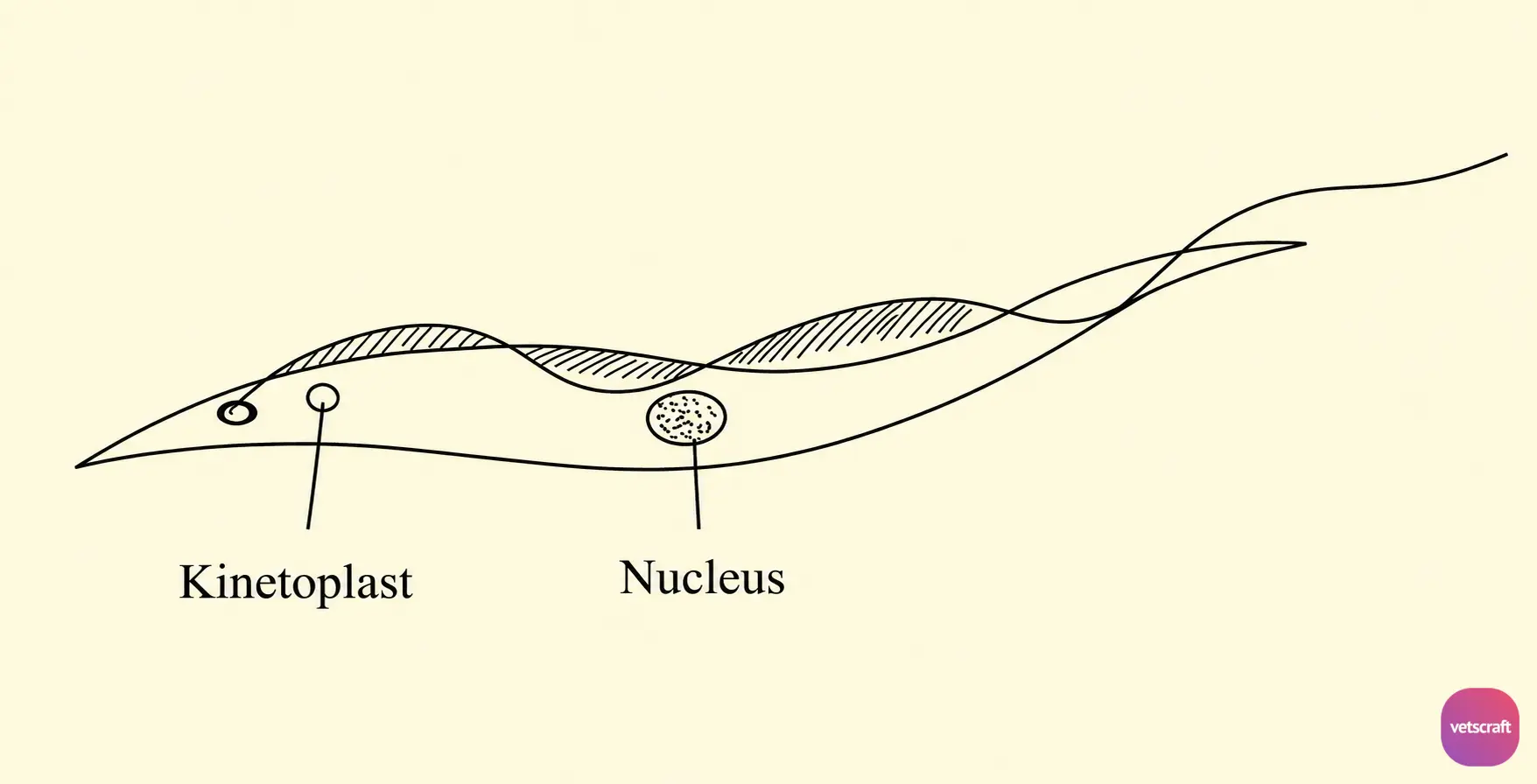
- Trypanosoma theileri is the largest trypanosome, measuring 70–120 µm in length.
- The posterior end is long and pointed.
- The kinetoplast is medium-sized and lies some distance from the posterior end.
- The undulating membrane is prominent and well developed.
- A free flagellum is present.
Transmission
Trypanosoma theileri is transmitted cyclically by biting flies such as Tabanus, Haematopota, and Hippobosca maculata through contamination with fly feces. The trypomastigote stage enters the host through bite wounds caused by these flies.
Following entry, the parasites multiply in the epimastigote form within the lymph nodes, internal organs, and subcutaneous tissues.
Pathogenesis
Generally, T. theileri is considered nonpathogenic. However, animals under stress due to vaccination, calving, concurrent infections, transportation, or other stressors may develop clinical manifestations similar to those observed in anthrax and turning sickness.
In chronic cases, reduced milk yield, pyrexia, anorexia, nervous signs, and abortion may occur.
Diagnosis
Trypanosoma theileri is rarely detected in blood smears. Therefore, material obtained by lymph node aspiration is cultured in vitro in NNN medium at 27°C or 37°C. Both epimastigote and trypomastigote stages can be observed.
Treatment
Specific treatment is generally not required because Trypanosoma theileri is considered a nonpathogenic or only mildly pathogenic parasite in most infected animals. Management should focus on correcting predisposing factors, including stress, concurrent infections, poor nutrition, and other underlying conditions.
In the rare instances where T. theileri infection is associated with clinical disease and alternative causes have been excluded, isometamidium chloride (0.5 mg/kg IM as a single dose) has been used successfully in reported cases. Supportive therapy, including fluid therapy, anti-inflammatory treatment when indicated, and management of concurrent diseases, should also be provided.