Trypanosoma congolense (Congo Trypanosome): Morphology, Transmission, Clinical Signs & Treatment
Trypanosoma congolense, commonly known as the Congo trypanosome, is a pathogenic hemoflagellate protozoan parasite of major veterinary importance in sub-Saharan Africa. It is one of the primary causative agents of animal African trypanosomiasis (nagana), a vector-borne disease transmitted by infected tsetse flies (Glossina spp.). The parasite infects a wide range of domestic animals, particularly cattle, resulting in significant economic losses due to reduced productivity, poor growth, infertility, and mortality.
This article provides a comprehensive overview of Trypanosoma congolense, including its classification, morphology, transmission, pathogenesis, clinical signs, and treatment.
Parasite Overview
- Host: Cattle, sheep, goats, horses, camels, dogs, and pigs
- Predilection Site: Blood plasma, lymphatic system, and tissue fluids (primarily an intravascular parasite)
- Vector: Glossina spp. (tsetse flies)
- Disease Caused: Animal African trypanosomiasis (nagana); Gambia fever
- Infective Stage: Metacyclic trypomastigote (transmitted by the bite of an infected tsetse fly)
- Transmission: Cyclical transmission through the bite of infected tsetse flies
- Zoonotic Potential: No; Trypanosoma congolense is not considered zoonotic
Taxonomical Classification
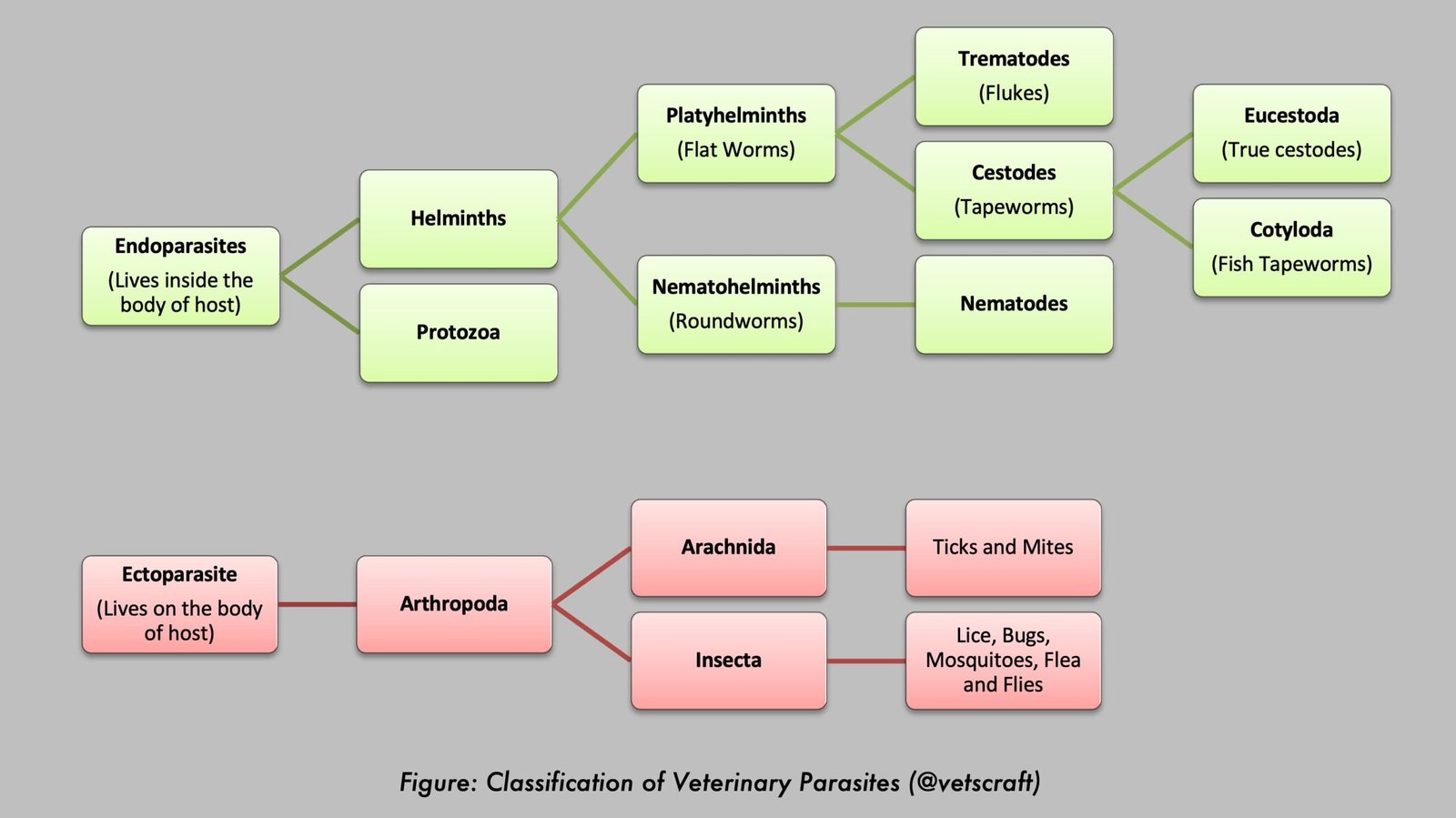
- Kingdom: Protista
- Phylum: Euglenozoa
- Class: Kinetoplastea
- Order: Trypanosomatida
- Family: Trypanosomatidae
- Genus: Trypanosoma
- Subgenus: Nannomonas
- Species: Trypanosoma congolense
- Common Name: Congo trypanosome
Morphology
T. congolense is small and monomorphic. The undulating membrane is inconspicuous, the medium-sized kinetoplast is marginal, and the posterior end is blunt. There is no free flagellum.
Transmission and Development
When trypanosomes are ingested by tsetse flies while feeding on an infected animal, They multiply in the midgut as elongated trypomastigotes without a free flagellum. They then migrate to the proboscis, where they multiply and develop into metacyclic trypomastigotes. These are inoculated into a new host when the fly bites.
Pathogenesis and Clinical Signs
In cattle, T. congolense can cause an acute fatal disease, a chronic disease, or a mild asymptomatic infection.
The clinical signs caused by this species are similar to those caused by other trypanosomes, but the central nervous system is not affected.
Diagnosis
Diagnosis is based on clinical signs, epidemiological history, and laboratory confirmation. The parasite can be demonstrated in stained blood smears or by concentration techniques. Serological and molecular methods, including PCR, may also be used for confirmation.
Treatment
Treatment of Trypanosoma congolense is the same as that for Trypanosoma brucei.
Prevention and Control
Control measures include tsetse fly control, the use of insecticide-treated targets or traps, strategic administration of trypanocidal drugs, and management practices that reduce exposure of susceptible animals to infected vectors.