
Carnivora
Veterinary MedicineThe common characters of Carnivora are, Meat eaters, Presence of canine teeth, Intestinal tract is short and is adapted to the rapid digestion as well as the assimilation of meat.
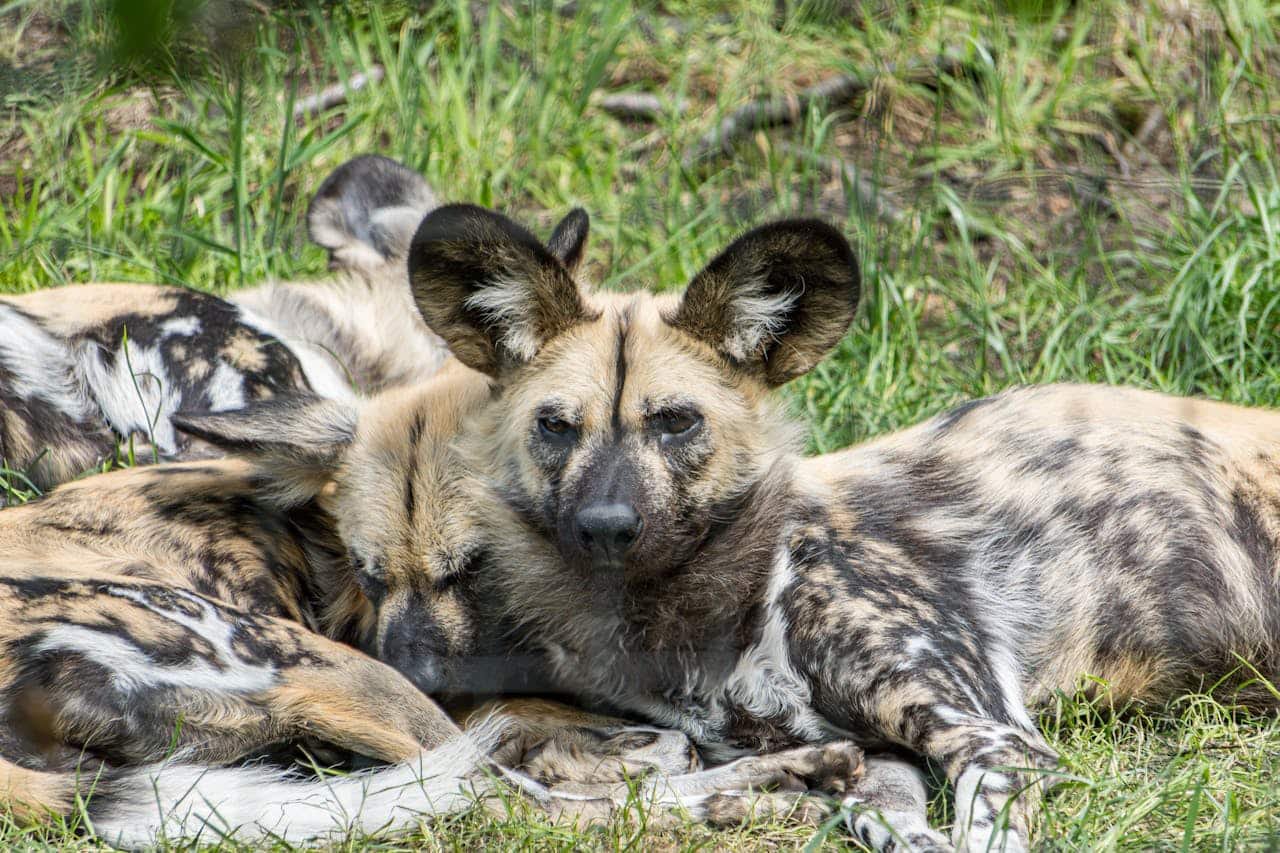
The common characters of Carnivora are, Meat eaters, Presence of canine teeth, Intestinal tract is short and is adapted to the rapid digestion as well as the assimilation of meat.
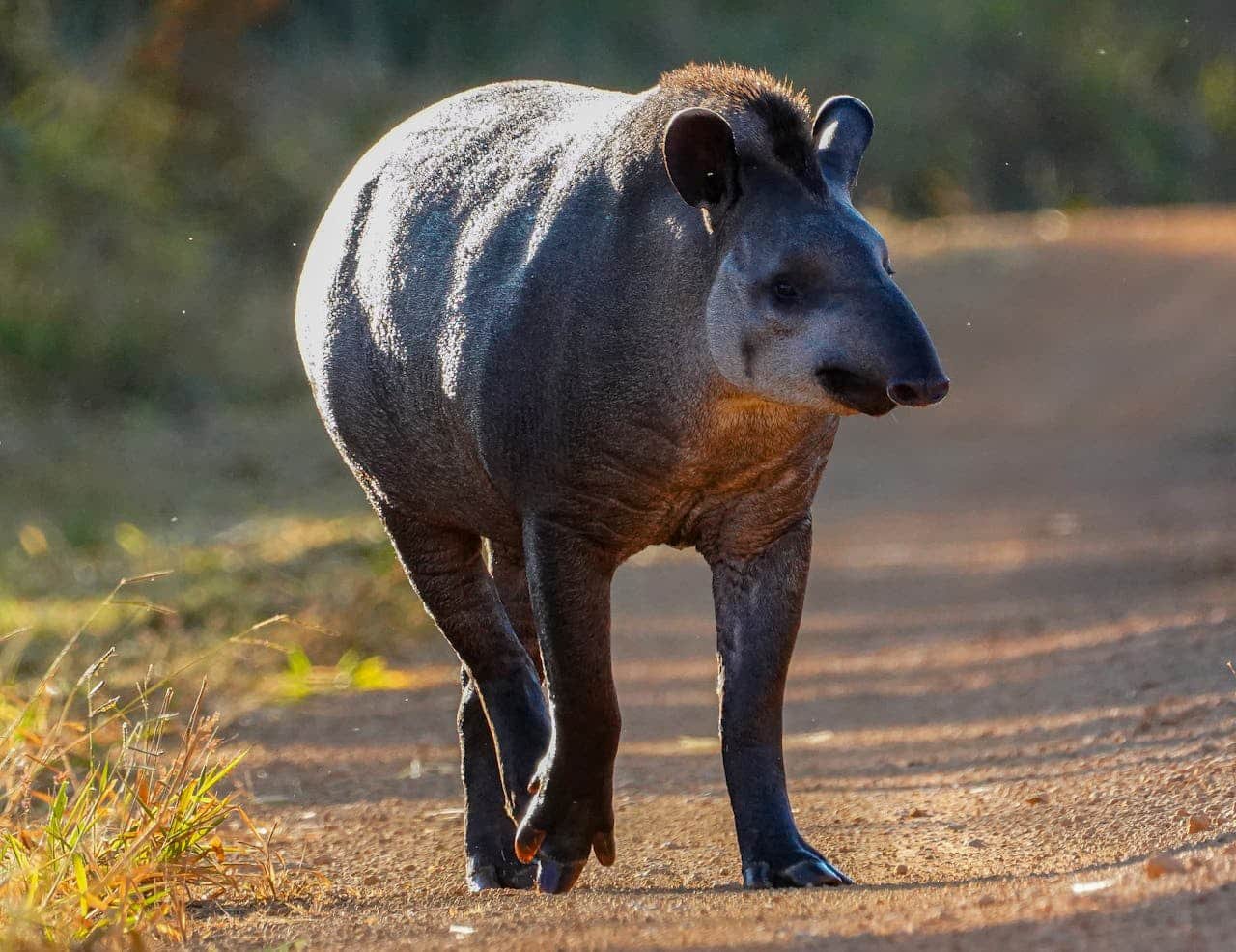
Perissodactylids group of wild animals consists of families- Equidae (equids) and Tapiridae (tapirs) and Rhinocerotidae (rhinoceroses).
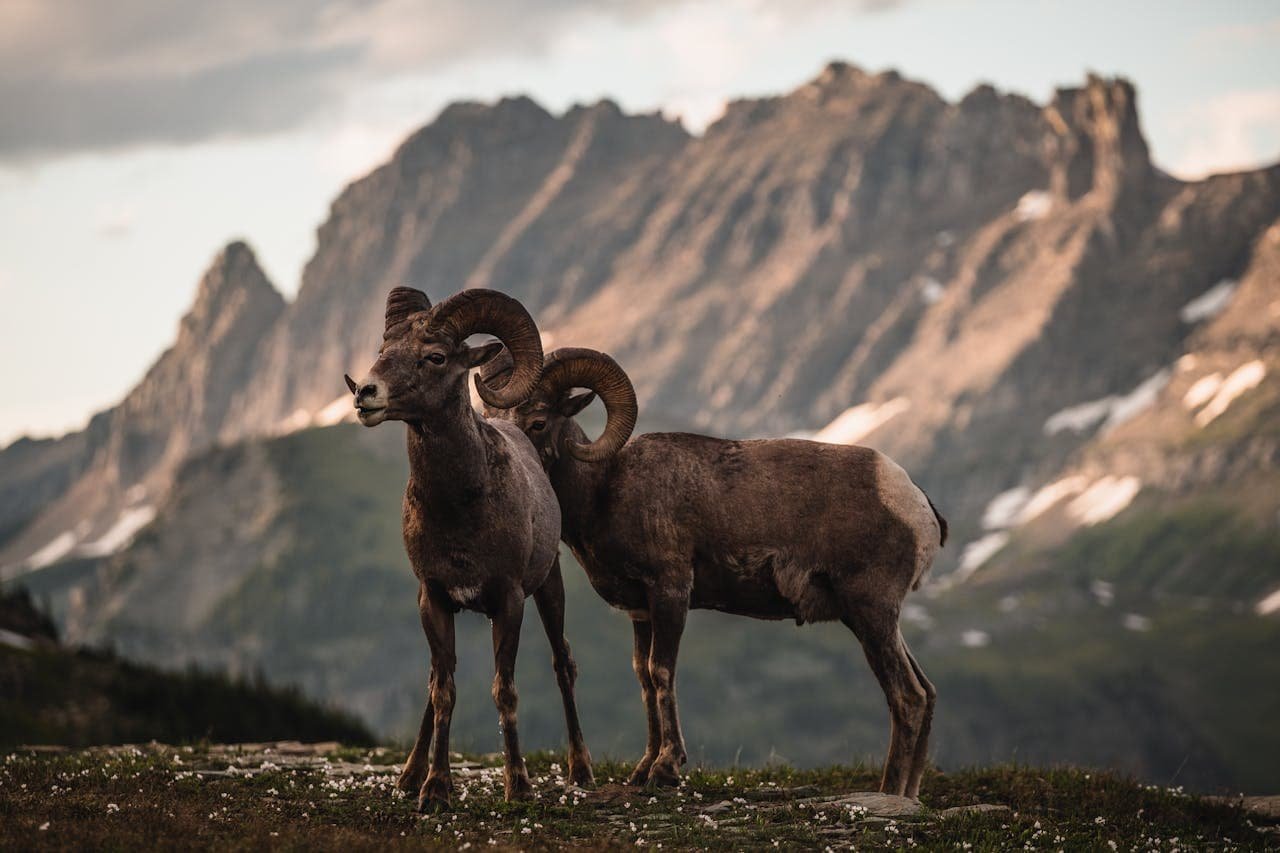
Wild Sheep and Goats are Bharal or Blue sheep, Marco Polo’s sheep, Nayan, Shapu or Urial, Nilgiri tahr, Wild goat, Ibex etc.

Deer are specialized herbivores wild animals, as is reflected in their large and anatomically complex digestive organs, their mobile lips, and the size and complexity of their teeth.
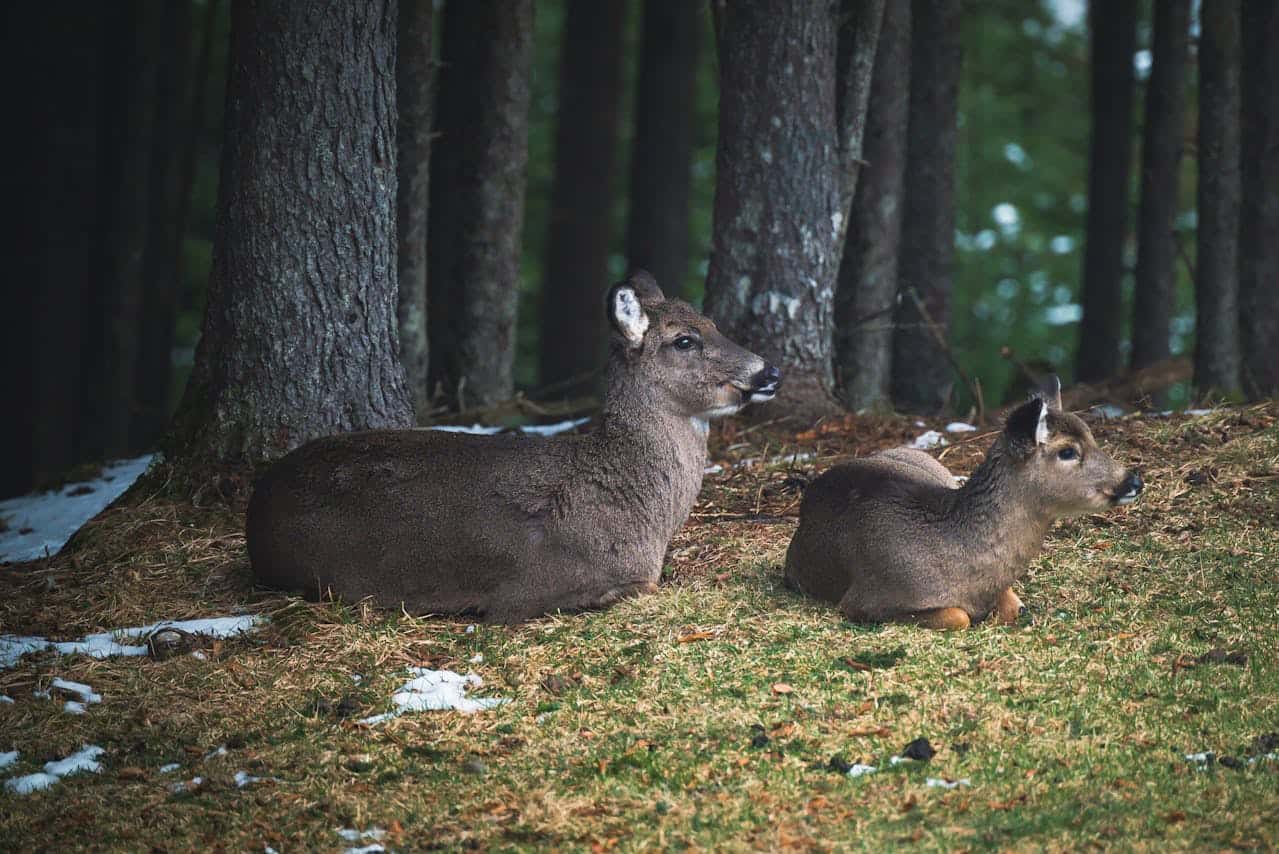
The Chinkara or Cervids animals are present in the plains and low hills of north western and central India.
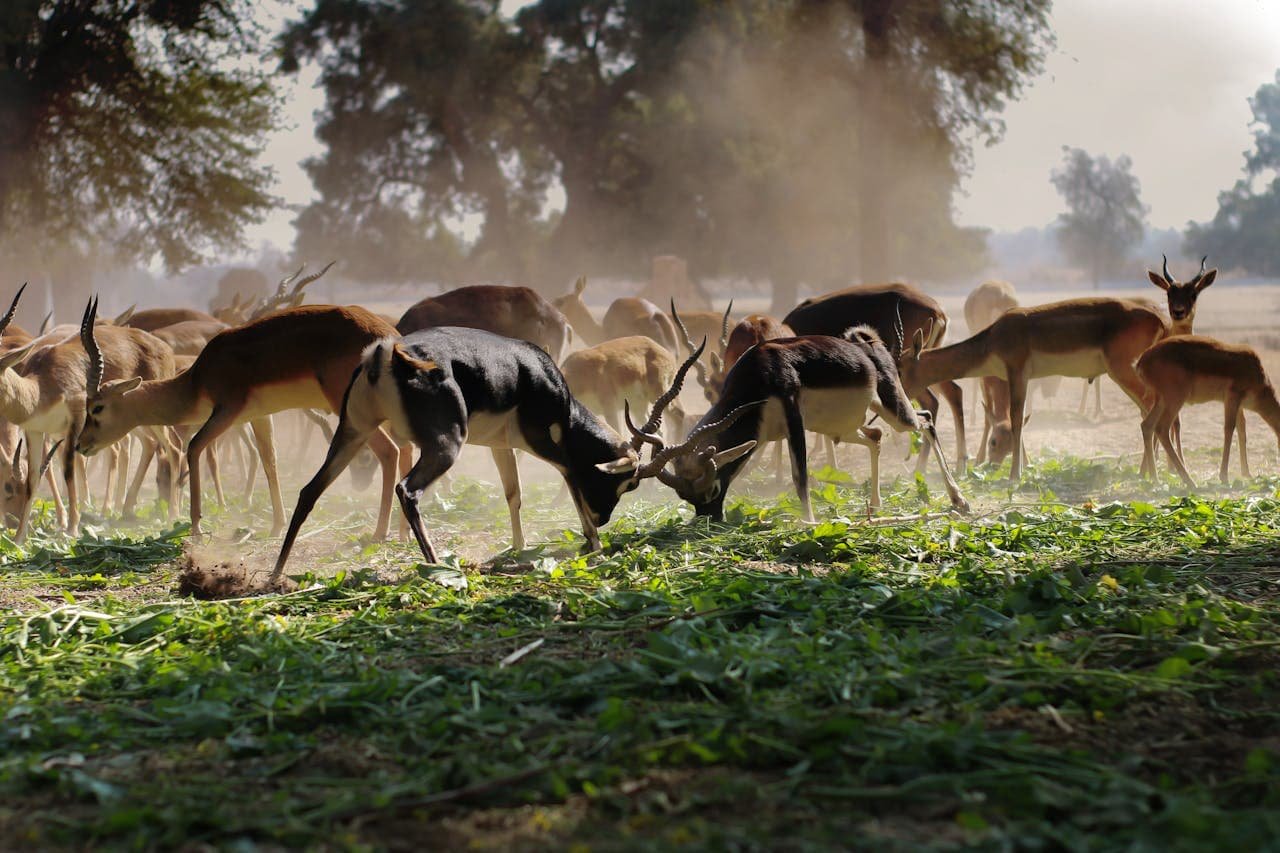
Bovidae also comprises the antelopes and gazelles. The antelopes and gazelles are called as the earliest ruminants.
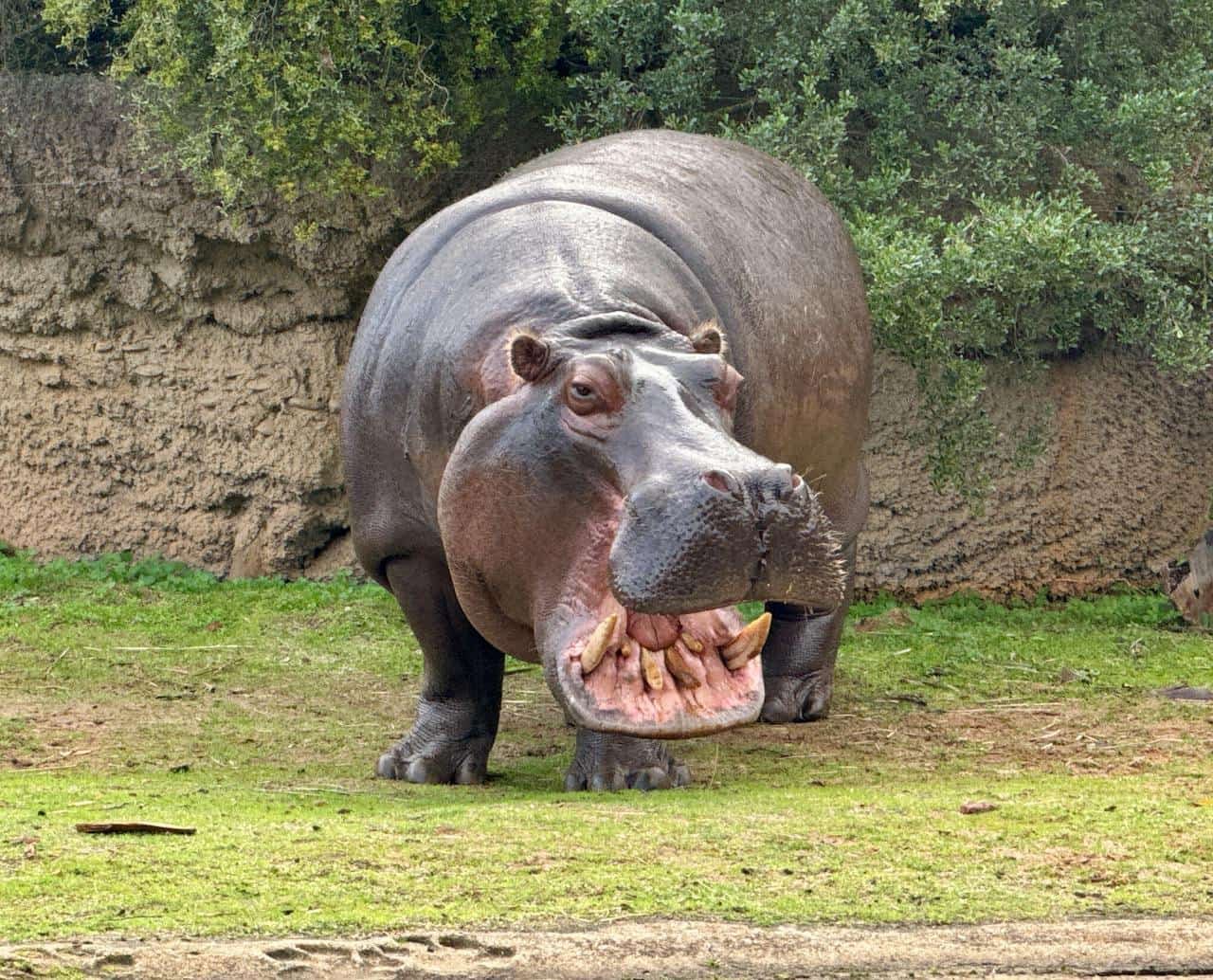
Giraffe (Giraffa camelopardalis) belongs to the family entitled “Giraffidae” which also comprises the okapi (Okapia johnstoni).
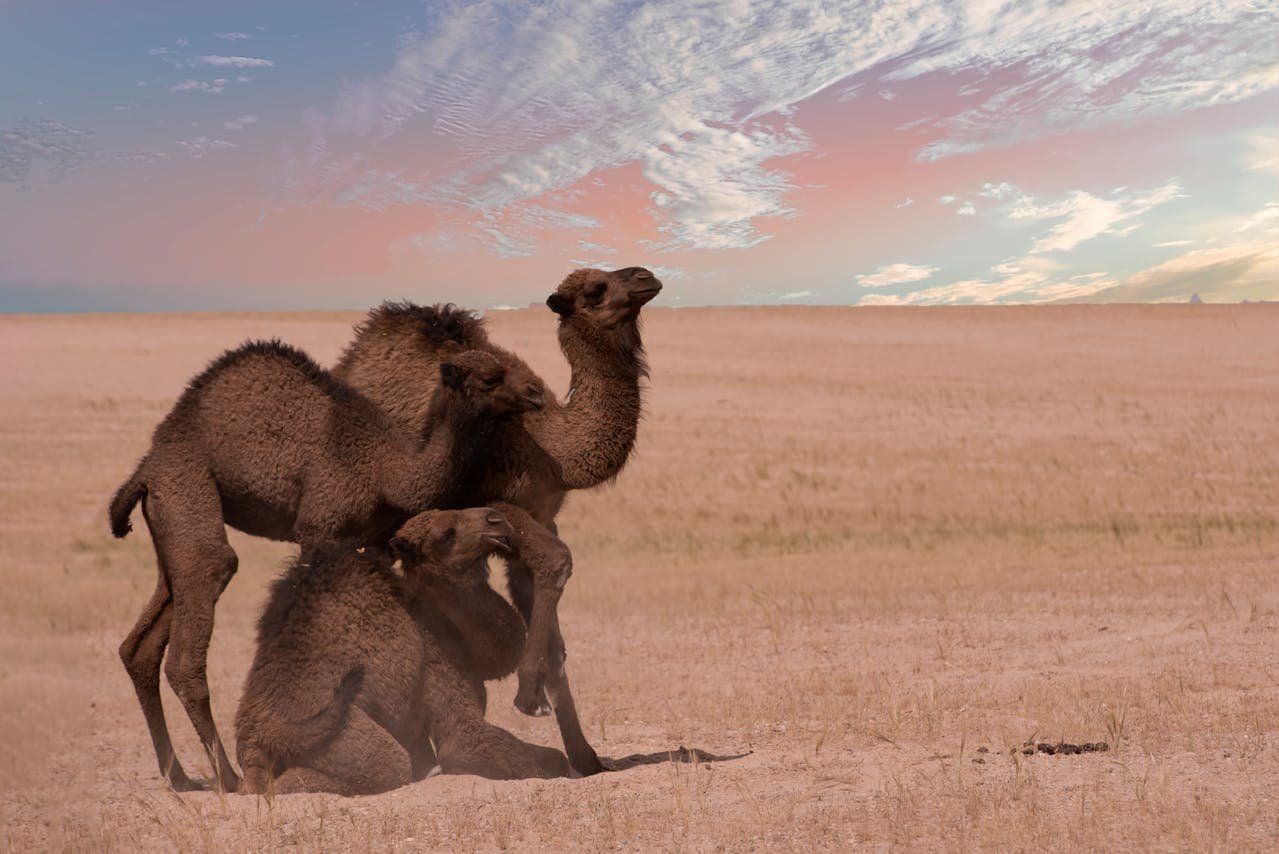
The Camelids (Camels) belong to the sub-order called “Tylopoda” and family called “camelidae”. Camels have a unique capacity to pass the desiccated fecal materials when water intake is restricted.

Tayassuidae (Tayassuids) consists of two native new world suids- Collared peccary (Tayassu tajacu) and White lipped peccary (Tayassu pecari).
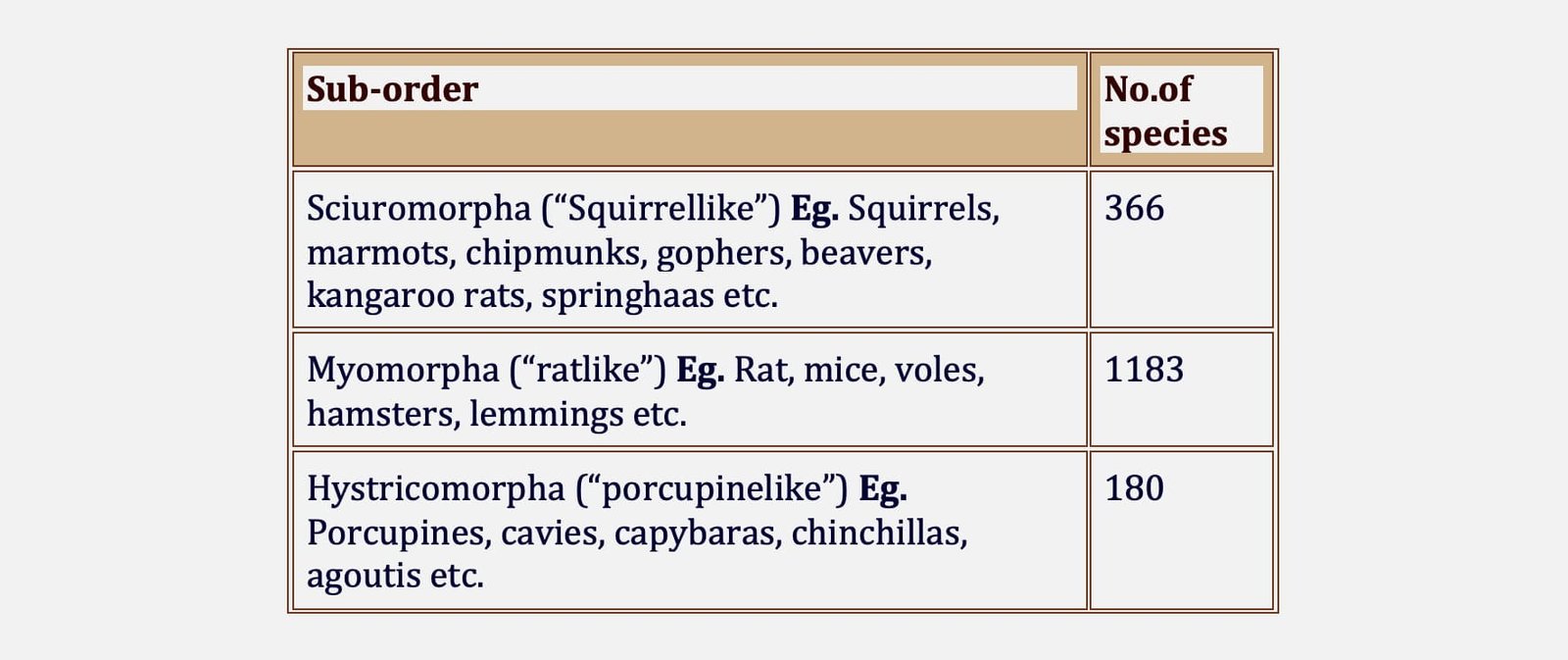
Rodentia order is the largest order of mammals. Among the rodents, the largest living rodent is the capybara (Hydrochoerus hydrochaeris) and may have a body weight of even 50 kg.