
Humerus Bone
Veterinary AnatomyThe humerus is a long bone located in the forelimb of animals. It extends obliquely downward and backward between the shoulder joint (proximally) and the elbow joint (distally).
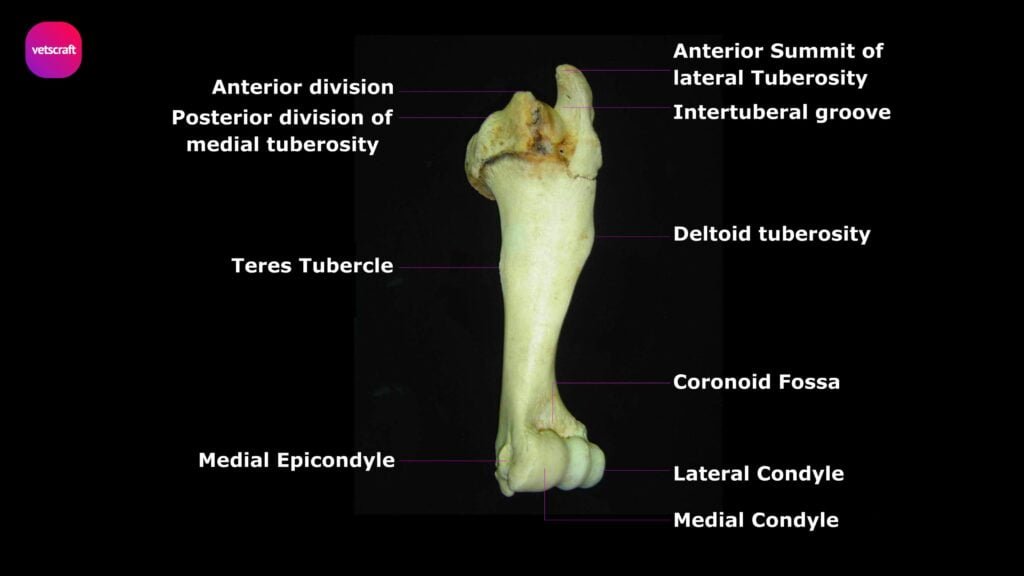
The humerus is a long bone located in the forelimb of animals. It extends obliquely downward and backward between the shoulder joint (proximally) and the elbow joint (distally).
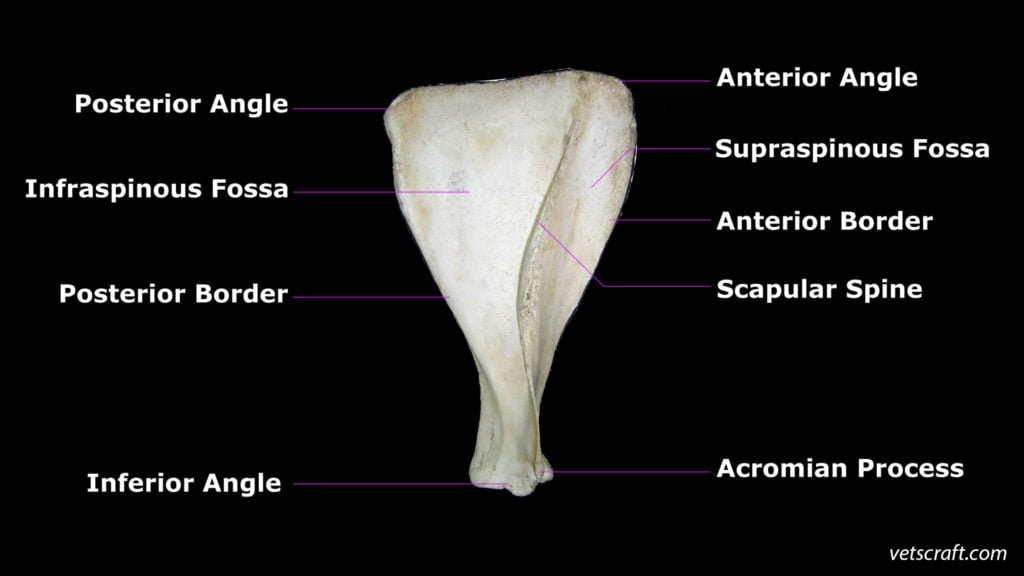
The scapula bone, also known as the shoulder blade, is a flat, triangular bone located on the lateral side of the thorax in domestic animals.

The appendicular skeleton consists of the bones that form the framework of the pectoral (forelimbs) and pelvic (hind limbs), including the elements that anchor the limbs to the trunk of the body, referred to as the pectoral and pelvic girdles, respectively.

The blood and nerve supply of bone refers to the network of arteries, veins, nerves, and lymph vessels that nourish and innervate bone tissue.

Terminology in osteology refers to the specific anatomical terms used to describe the various features, landmarks, and structures of bones.

Bone development is the process of forming and growing bones, while ossification is the formation of bone tissue from mesenchyme or cartilage.

Bone marrow is a soft, spongy tissue found inside the medullary cavity of bones. It is responsible for producing blood cells, including red blood cells, white blood cells, and platelets, and also serves as a storage site for fat.

The coverings of bone refer to the two specialized membranes that line the outer and inner surfaces of bones: periosteum and endosteum.
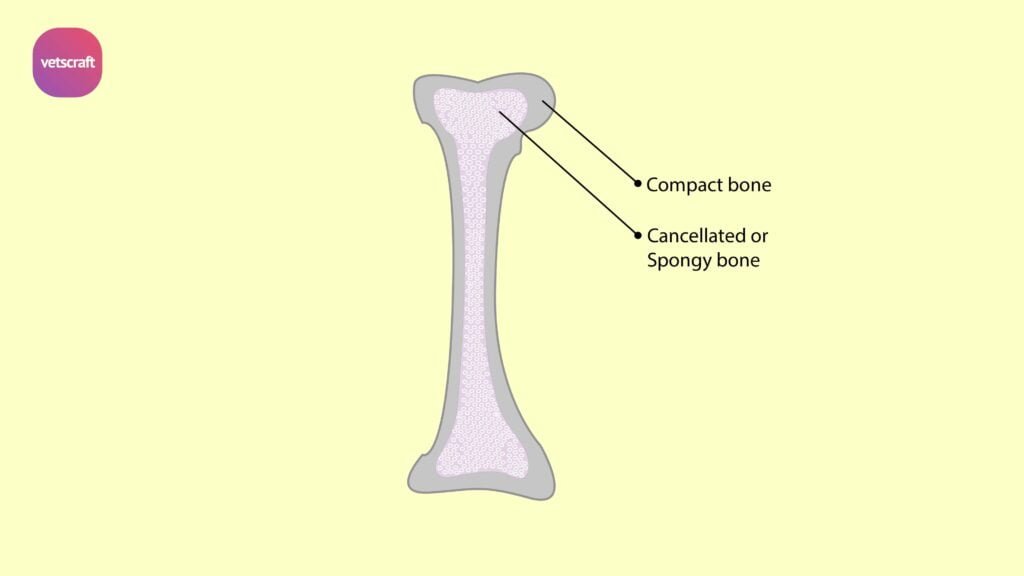
The structure of bone refers to its organized anatomical composition, which can be studied at both the microscopic (histological) and macroscopic (gross) levels.
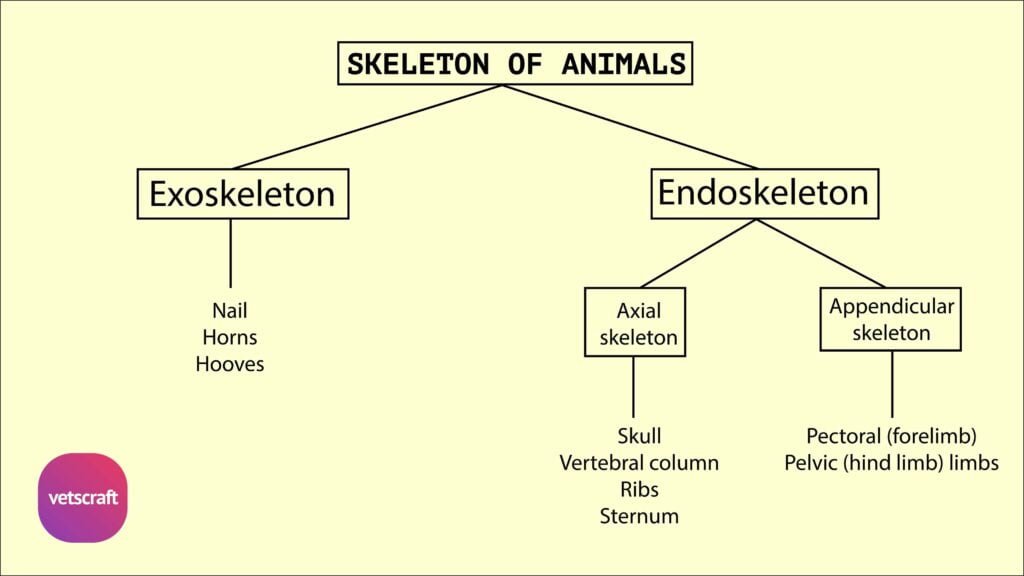
Osteology is the study of bones, the hardest structure in the body excepting teeth. Bones support and protect the tissues of the body