TABLE OF CONTENTS
Cimex (Bed Bug) in Poultry: Parasitology, Life Cycle & Control
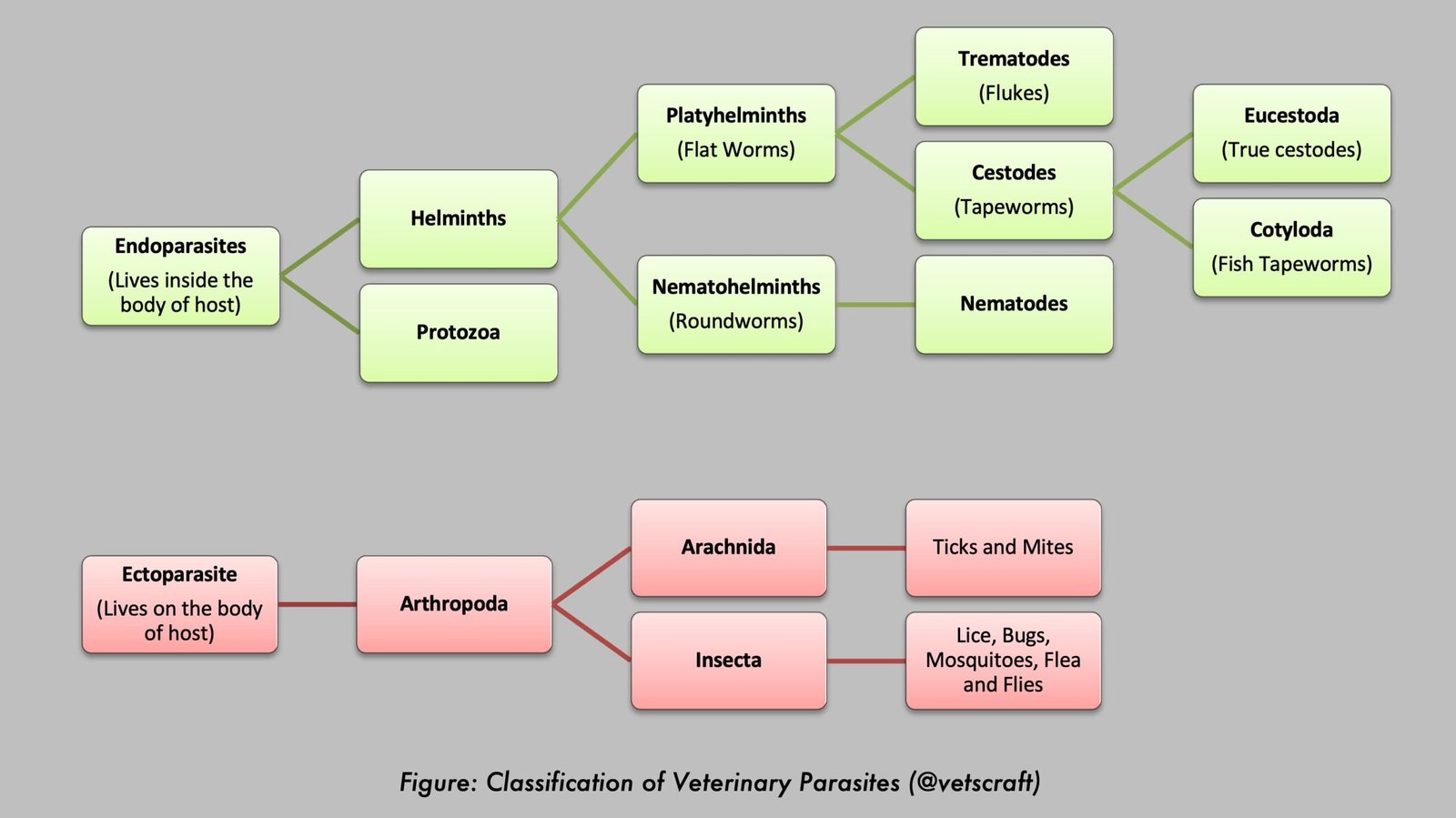
Cimex (bed bugs) are blood-feeding ectoparasites belonging to the family Cimicidae that can infest poultry houses and affect birds, particularly chickens, turkeys, and pigeons. They hide in cracks and crevices and feed primarily at night, causing irritation and, in heavy infestations, anemia and reduced production. Understanding their biology, life cycle, effects on poultry, and control is important for effective management of Cimex infestations.
There are two important species in the genus Cimex:
- Cimex hemipterus (tropical climate bed bug): Lives mostly in hot or warm parts of the world.
- Cimex lectularius (temperate climate bed bug): Lives mostly in cool or mild parts of the world.
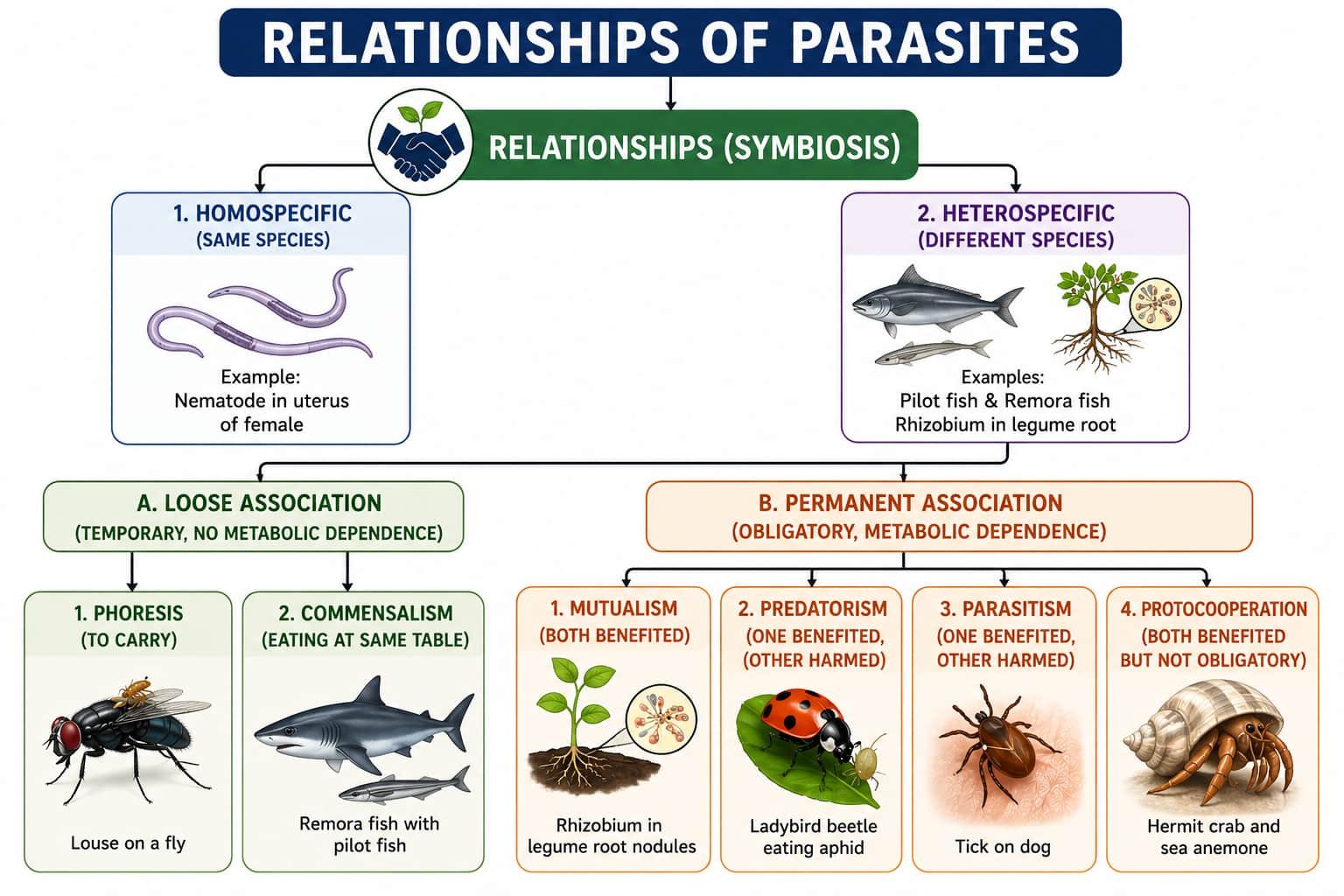
Cimex Bed Bugs and Humans
The same bed bug species that infest poultry can also feed on humans. Cimex lectularius (common bed bug) is primarily associated with humans but can feed on poultry and other warm-blooded animals. Cimex hemipterus (tropical bed bug) also feeds on humans and is particularly associated with tropical and subtropical regions.
In humans, bed bug bites commonly cause localized itching, irritation, and inflammatory skin reactions. Bed bugs are not considered established vectors of human or animal disease.
Parasitology
The adult bugs live for a long time and can survive long periods of starvation, whereas the nymphal stages require a blood meal to molt to the next stage. They live in crevices and cracks in wood near the sleeping places of their hosts, in bedsteads and skirting boards, or in the nests of poultry.
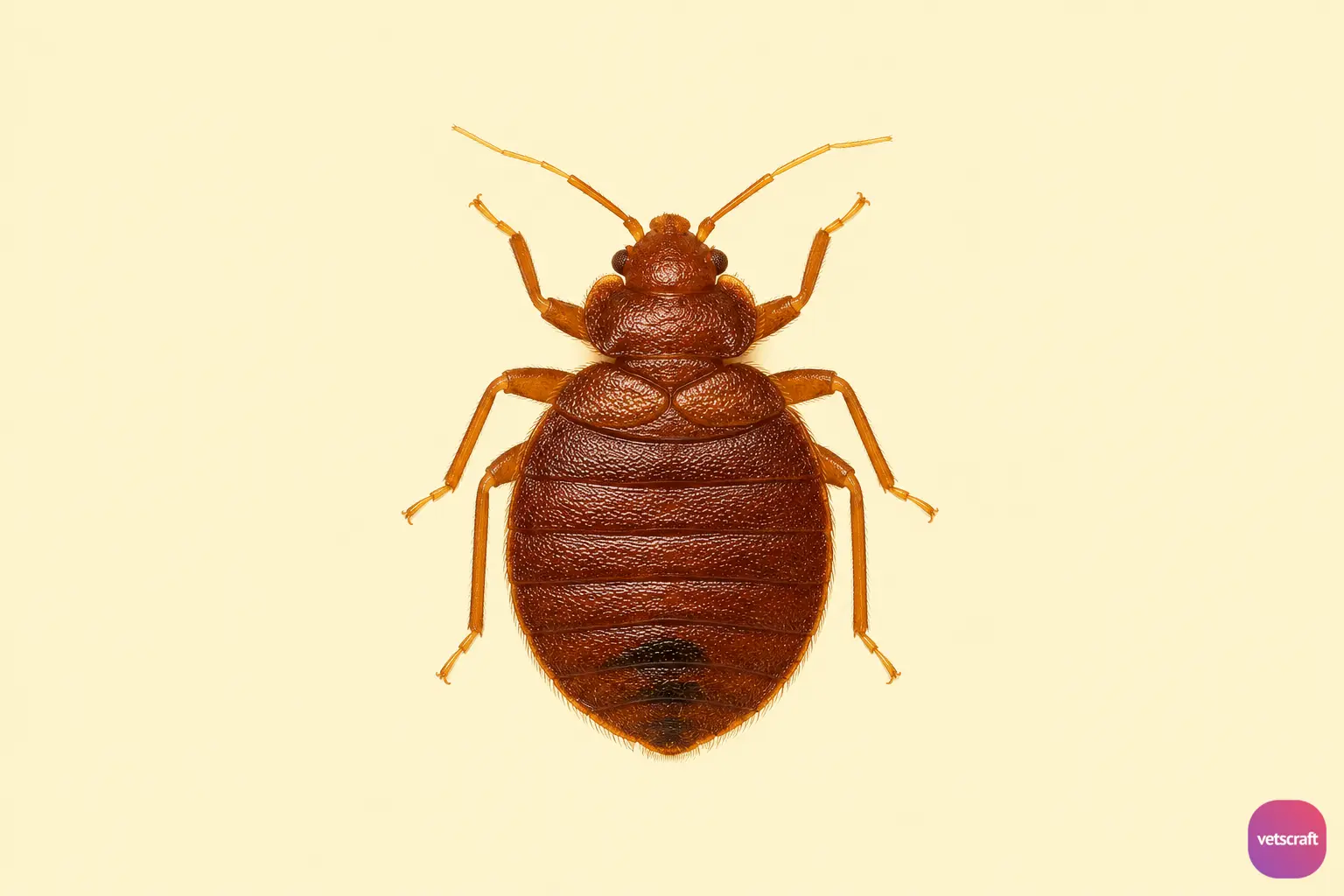
Cimex (bed bugs) are mainly nocturnal insects, but they will bite during the daytime if hosts are quiet (e.g., sitting hens). After a blood meal, the bug defecates and usually turns around in such a way that its feces fall on or near the bite site, potentially resulting in contamination of the bite site with feces.
Bugs may travel relatively long distances, passing to adjoining houses from an infested one. They do not transmit any disease.
Life Cycle (Incomplete Metamorphosis)
The female lays about 150–200 eggs in cracks and crevices of poultry houses. The egg is creamy white, 1 mm long, and has an operculum at one end. The egg hatches after 3–14 days at 23°C or longer at lower temperatures, and a nymph emerges. There are five nymphal stages. They molt after each blood meal.
The rate of development depends greatly on the food supply and temperature. Under favorable conditions, the adult stage is reached within 8–13 weeks after hatching.
Pathology
Cimex (bed bugs) hide in cracks and crevices of poultry houses and cause severe irritation and anemia in birds, especially chickens, turkeys, and pigeons. Egg production may decrease, and broilers may experience weight loss.
Control
- Implement integrated pest management (IPM) by combining environmental sanitation, structural modification, monitoring, and targeted insecticide application.
- Remove litter, nesting material, and debris, and thoroughly clean poultry houses. Seal cracks, crevices, joints, and other harborages where bed bugs hide during the day.
- Apply residual insecticides directly to hiding places, including cracks, crevices, roosts, nest boxes, walls, and structural joints. Ensure all applications comply with the product label and local regulatory guidelines.
- Synthetic pyrethroids (e.g., permethrin, deltamethrin, cyfluthrin, or lambda-cyhalothrin) are commonly used where approved. In areas with documented pyrethroid resistance, use an alternative registered insecticide with a different mode of action.
- Repeat treatment after 10–14 days, if indicated, to eliminate nymphs emerging from eggs, as insecticides generally have limited ovicidal activity.