
Premaxilla Bone
Veterinary AnatomyLearn the comparative anatomy of the premaxilla bone in ox, horse, dog, and fowl. Study important anatomical features, processes, foramina, and species differences in veterinary osteology.
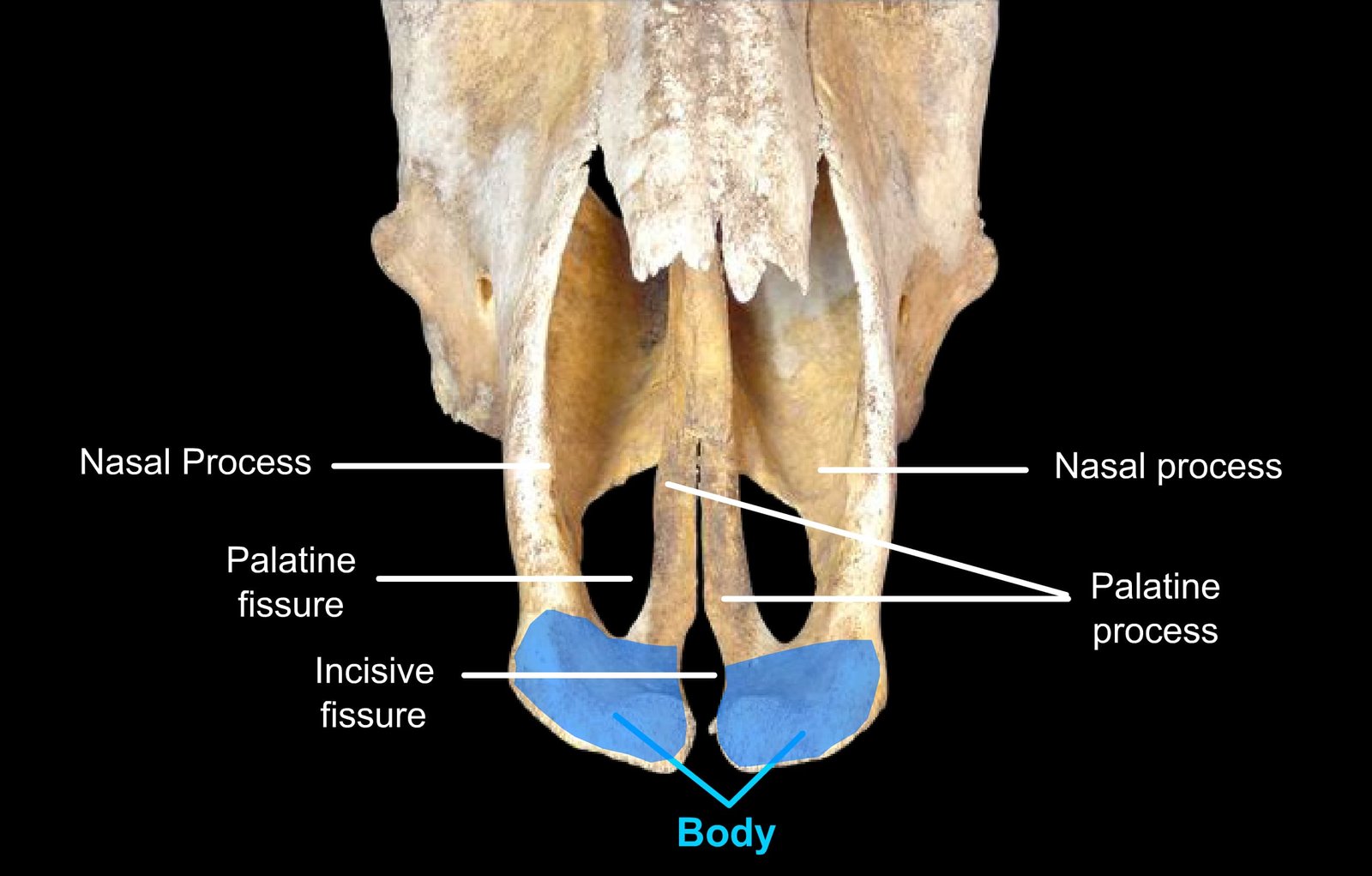
Learn the comparative anatomy of the premaxilla bone in ox, horse, dog, and fowl. Study important anatomical features, processes, foramina, and species differences in veterinary osteology.
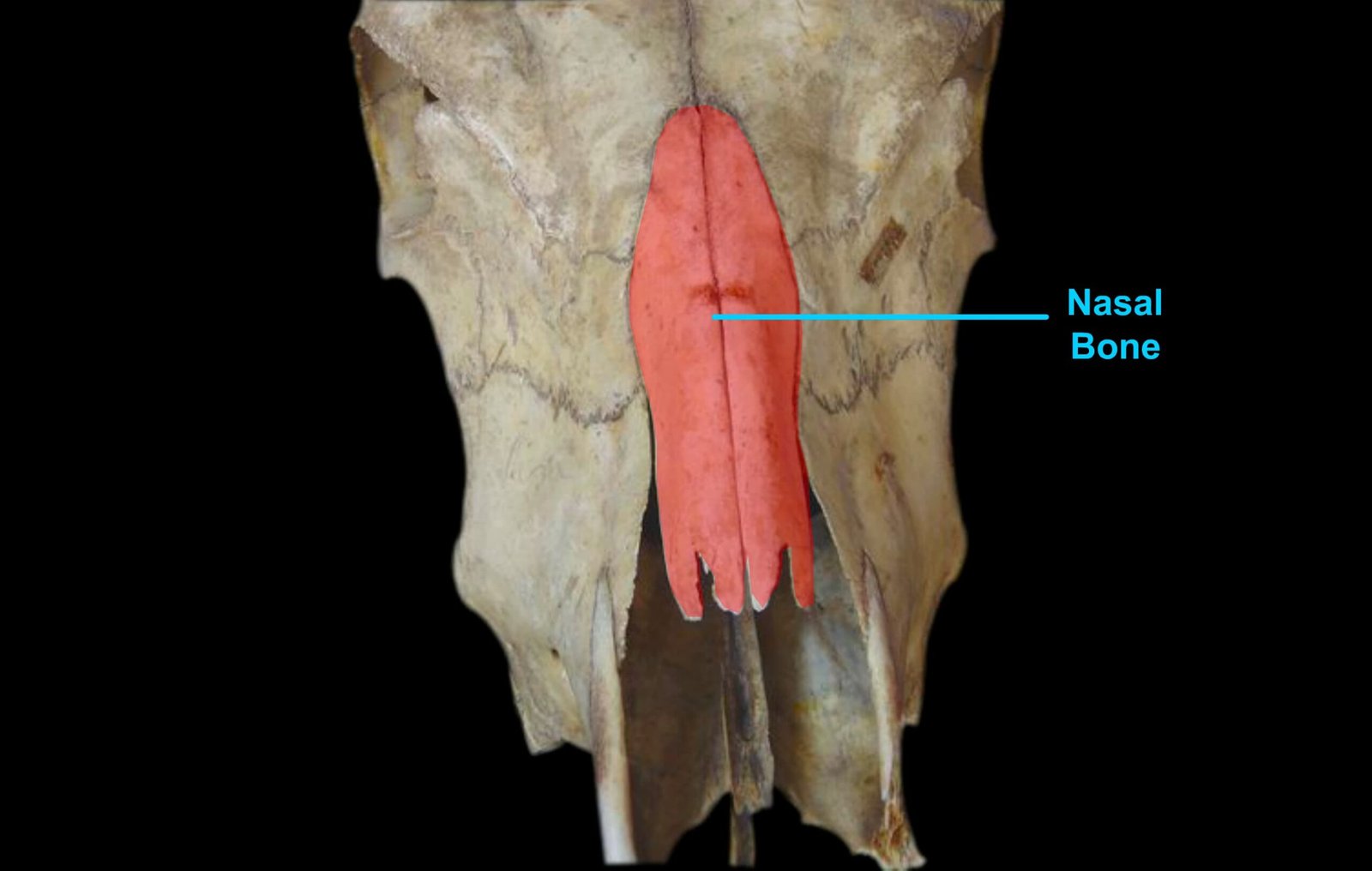
Learn the comparative anatomy of the nasal bone in ox, horse, dog, and fowl. Study important species-wise features, surfaces, processes, and veterinary anatomical differences.
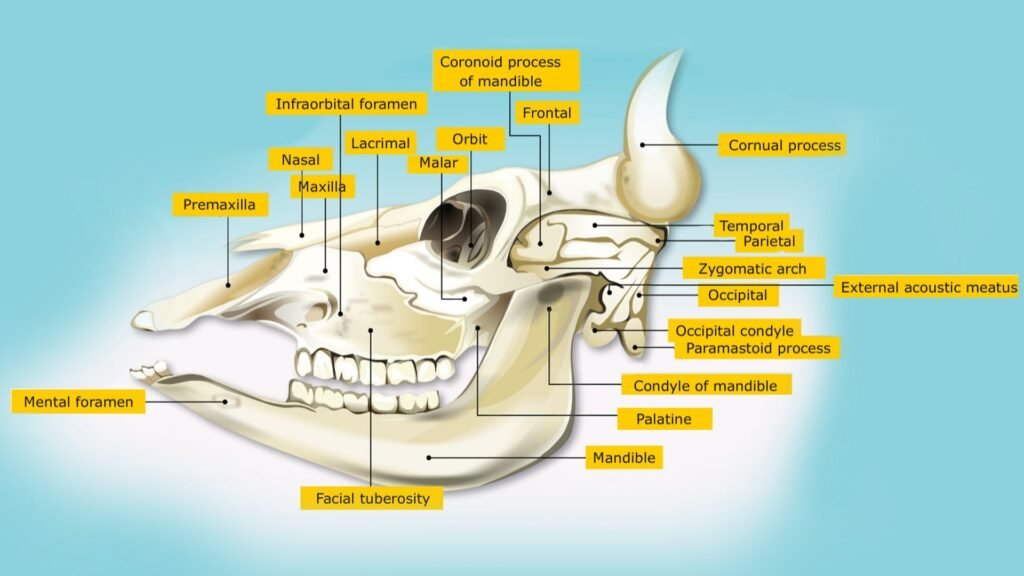
The facial bones form the framework of the face and contribute to the formation of the oral cavity, nasal cavity, orbit and jaws.
he cranial cavity encloses the brain with its membranes and blood vessels. The dorsal wall or roof is formed by the body of frontal bone
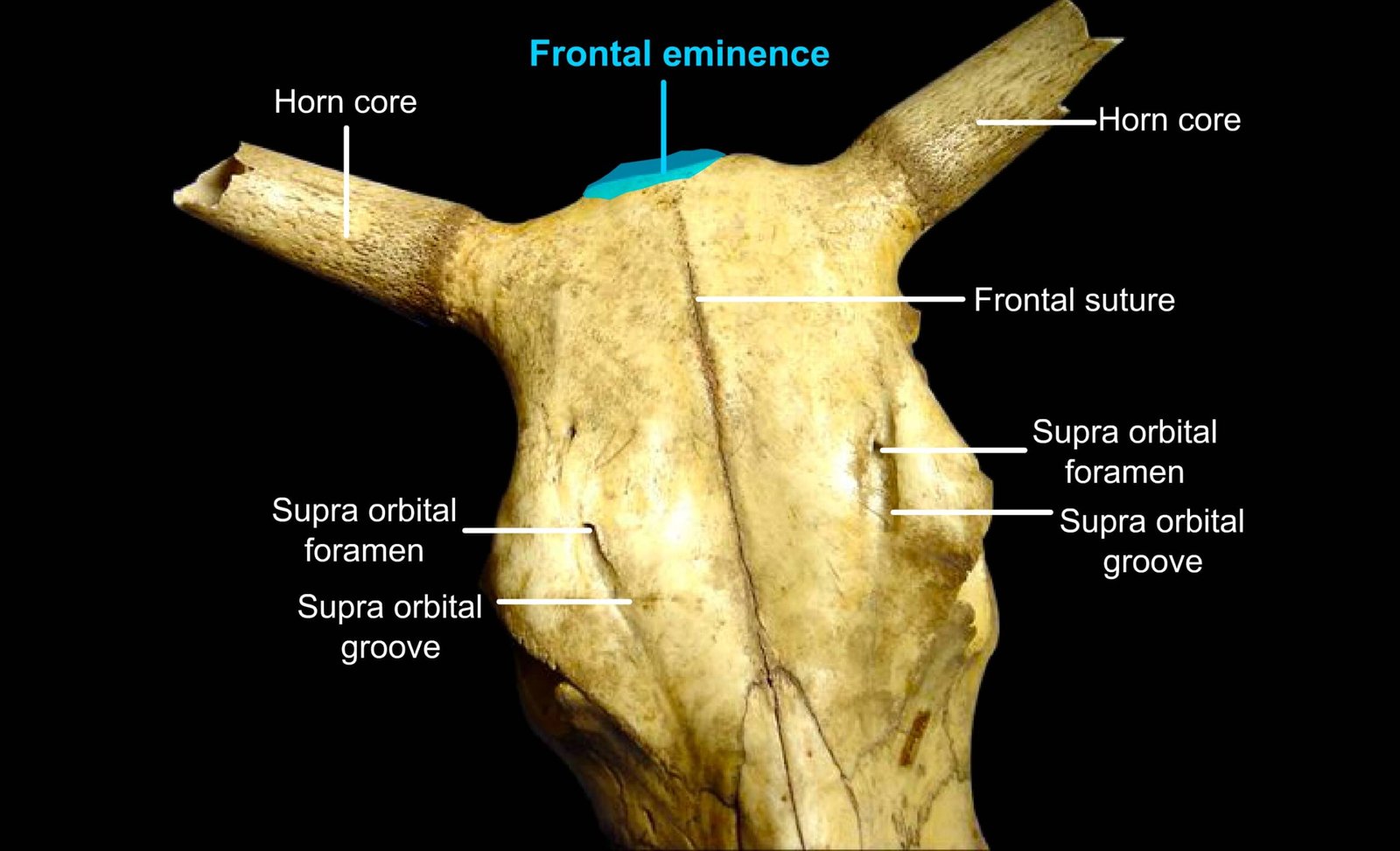
The frontal bone is a prominent, unpaired cranial bone located on the dorsal aspect of the skull. It forms the entire roof of the cranium in most domestic animals.
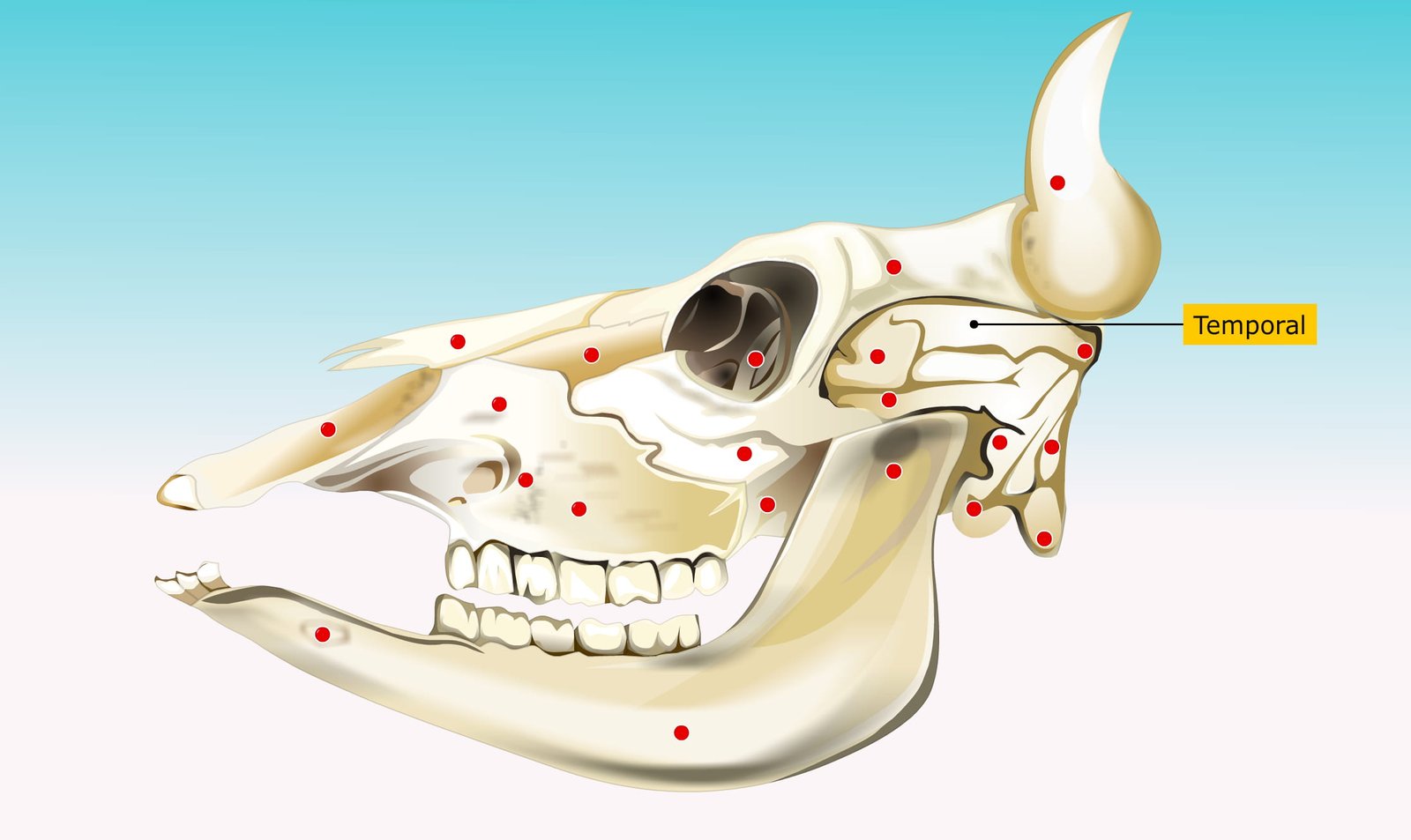
The temporal bone forms part of the lateral wall of the cranium and consists of squamous and petrous parts. It varies in form across domestic animals such as ox, horse, dog, and fowl.
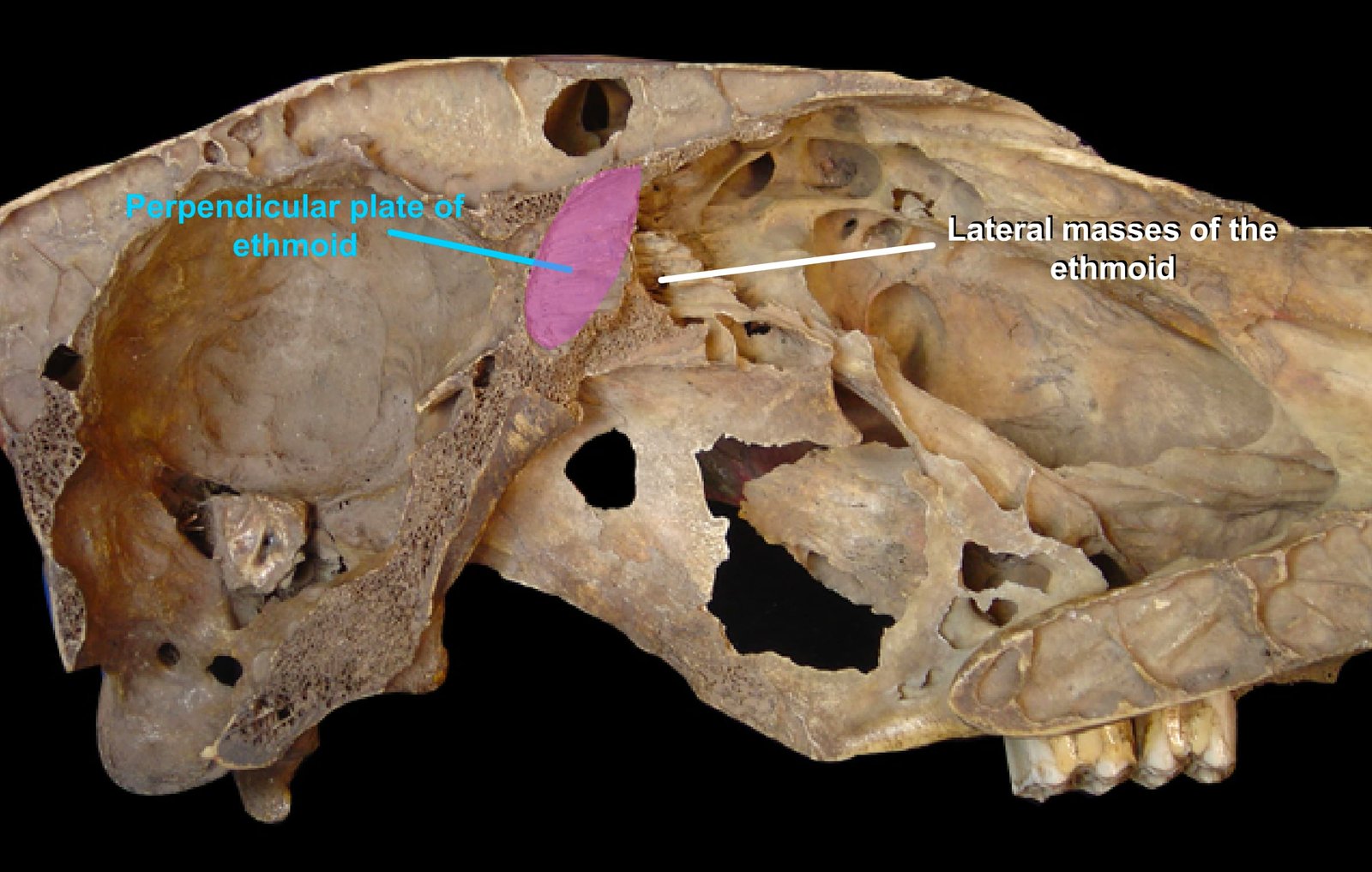
The ethmoid bone in domestic animals such as ox, horse, dog, and fowl plays a vital role in separating the cranial and nasal cavities. It is a single, sieve-like bone composed of the cribriform plate, perpendicular plate, and paired lateral masses.
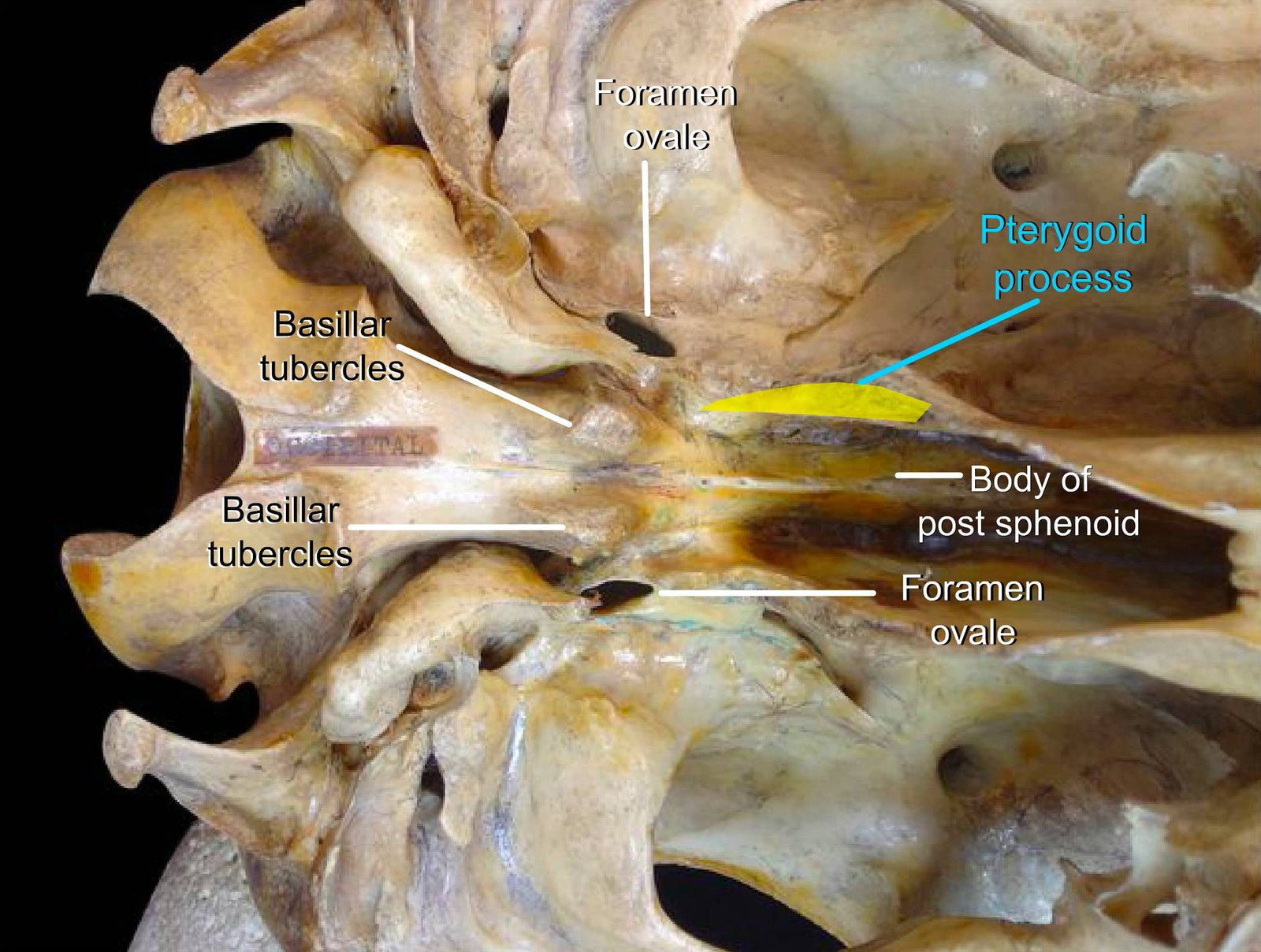
The sphenoid bone is a complex, unpaired bone located at the base of the skull in domestic animals. It plays a vital role in forming the floor of the cranial cavity and provides passage for important cranial nerves and blood vessels.
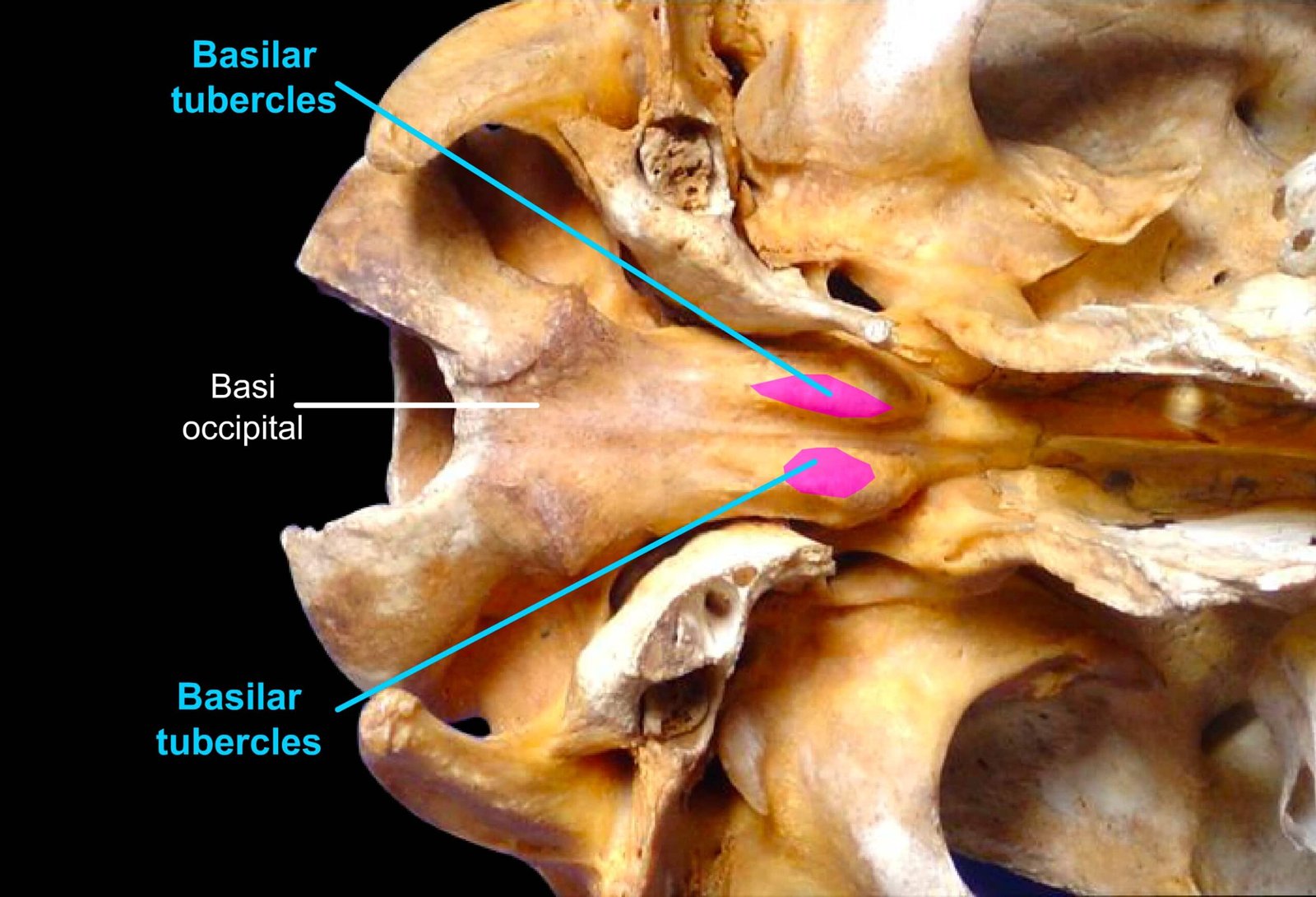
The occipital bone forms the caudal part of the skull in domestic animals and plays a crucial role in protecting the brain and forming joints with the vertebral column. It consists of several parts that vary among species like ox, horse, dog, and fowl.
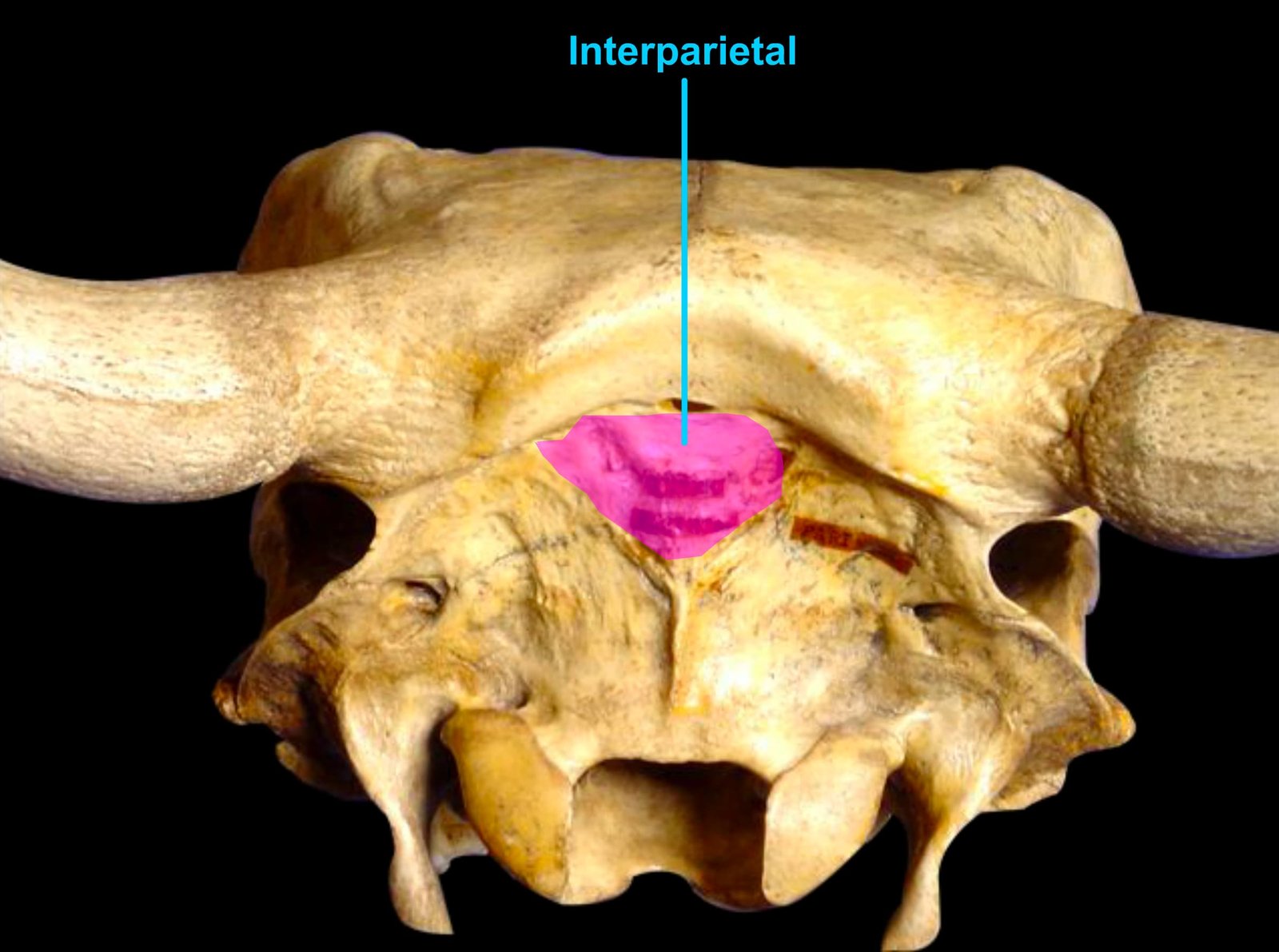
The interparietal bone is a small cranial bone located in the upper back portion of the skull. Its structure, presence, and fusion vary among domestic animals, making it important in veterinary comparative anatomy and skull morphology studies.