
Fracture of carpal bone
Veterinary Surgery and RadiologyThree types of fractures can occur within the carpal joints of the horse- Osteochondral fragmentation, Slab fracture and Comminuted fracture.
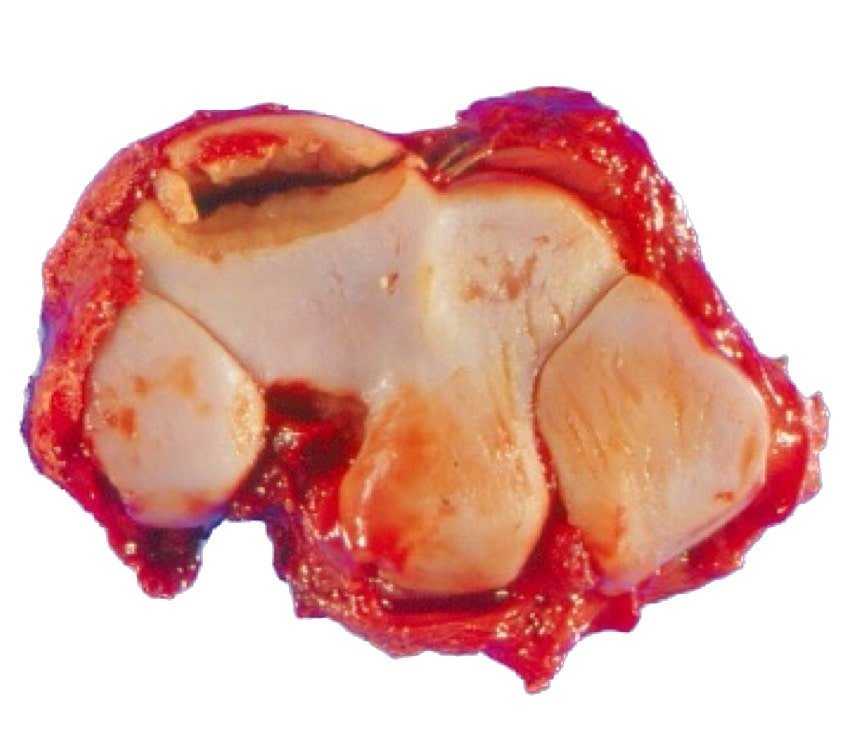
Three types of fractures can occur within the carpal joints of the horse- Osteochondral fragmentation, Slab fracture and Comminuted fracture.
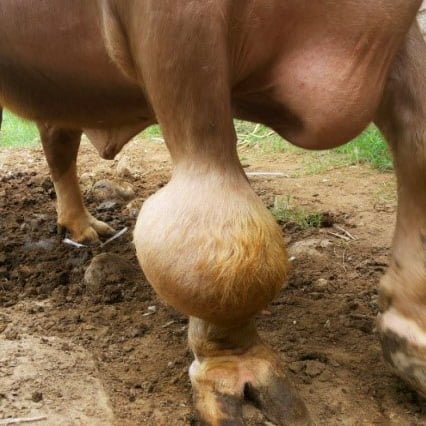
In long standing cases of hygroma, with well-defined fibrous thickening, it is better to extirpate the bursa including its fibrous thickening. Under local infiltration, an elliptical incision is made vertically enclosing the required area of skin.

Mild carpal valgus (5° to 7°) may have a protective mechanism against carpal injuries, and is preferred over completely straight front limbs.
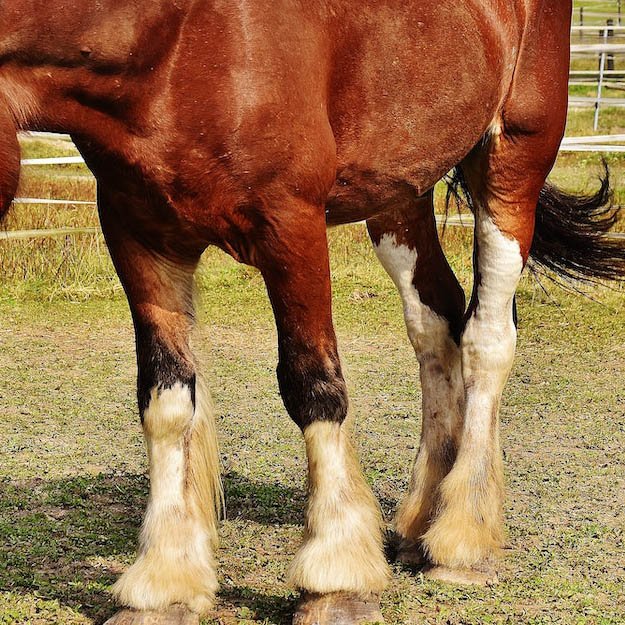
Treatment of Carpitis usually works well with horses that do not have conformation problems. Horses with conformation problems in the knees and limbs often suffer recurring bouts of carpitis.
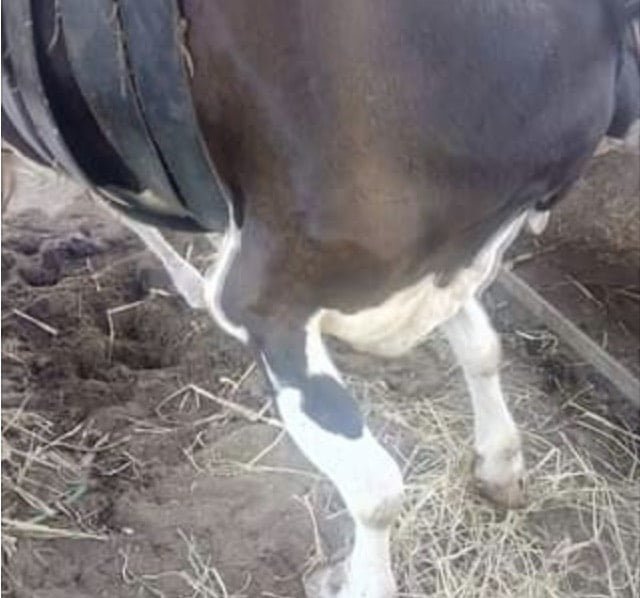
Radial nerve paralysis Radial nerve paralysis is a primary cause of lameness is an uncommon condition that results in the inability to extend the elbow, carpus and digit. Other brachial plexus nerves include the radial nerve, which arises from spinal cord segments C7 to T2. The inability of an animal to extend its carpus and
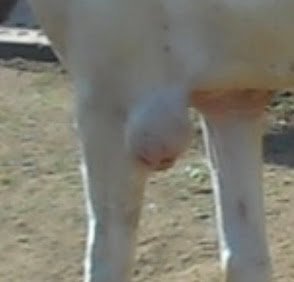
Olecranon bursitis (shoe boil, capped elbow) is an acquired bursitis typically due to trauma from contact of the ipsilateral horse shoe with the elbow.
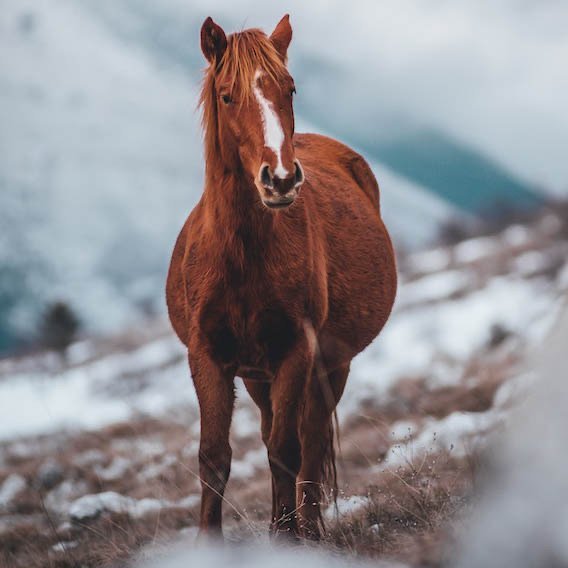
Chronic Omarthritis is an osteo-arthritis and degenerative joint disease. It is characterized by deterioration of the articular cartilage and joint surfaces with production of ossific deposits at the periphery of the articular surface and in the peri-articular fibrous tissue.
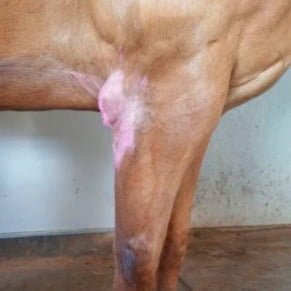
Inflammation of the intertubercular bursa (bicipitalbursitis) can present as septic or nonseptic in horses.
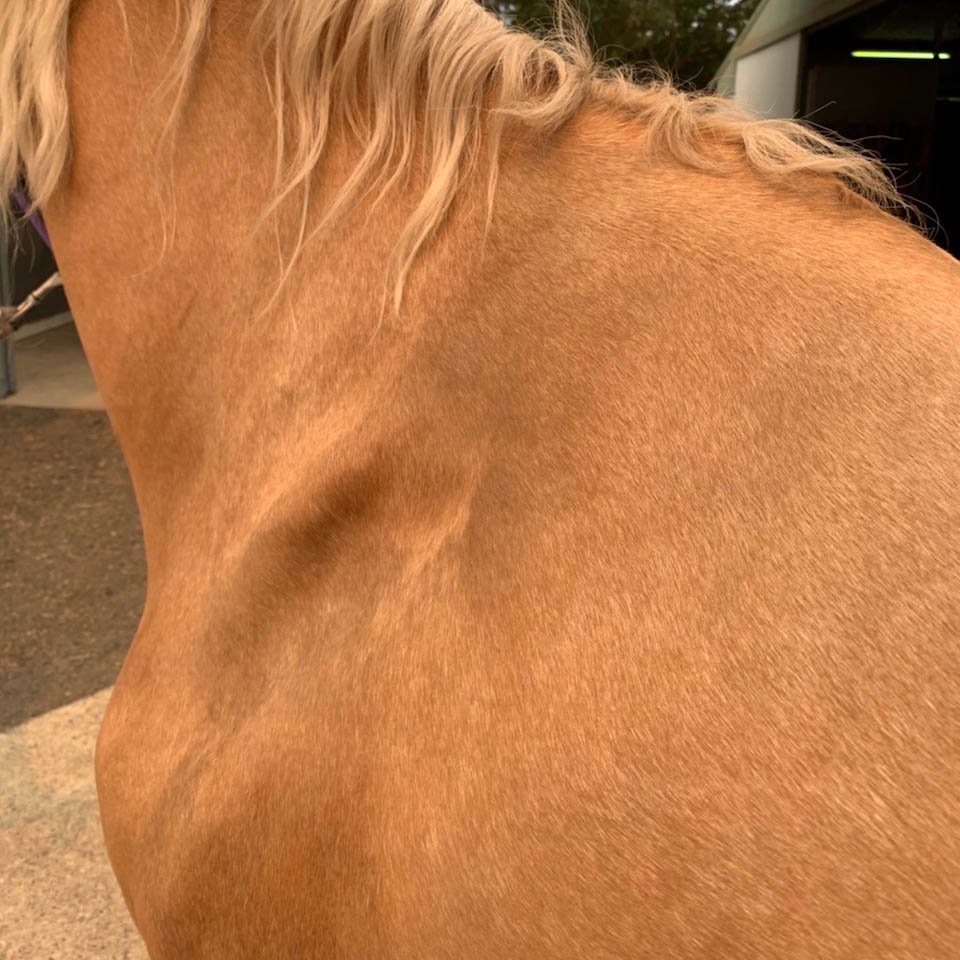
The term “Sweeney” has been defined as atrophy of the shoulder muscles in horses and is a commonly used synonym for suprascapular nerve paralysis.

Blemishes are an injury or imperfection which affects the appearance of the horse, but not its usefulness and Unsoundness is an injury or defect which affects the horse’s usefulness.