
Quittor in Horses
Veterinary Surgery and RadiologyQuittor is characterized by the formation of abscesses within the collateral cartilage which break open and drain just proximal to the coronary band.
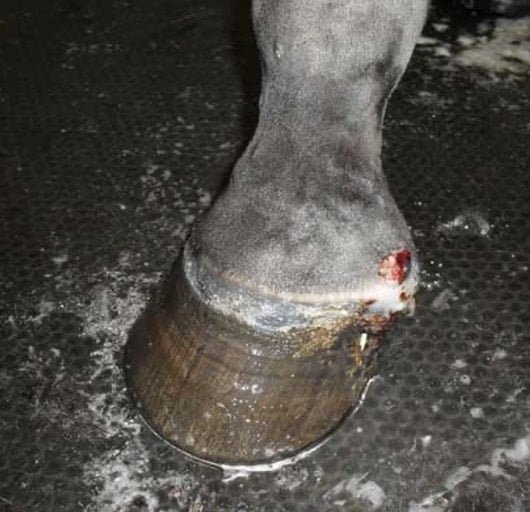
Quittor is characterized by the formation of abscesses within the collateral cartilage which break open and drain just proximal to the coronary band.

Historically ringbone has been used to describe any bony enlargement of the phalanges in the pastern region below the fetlock joint.
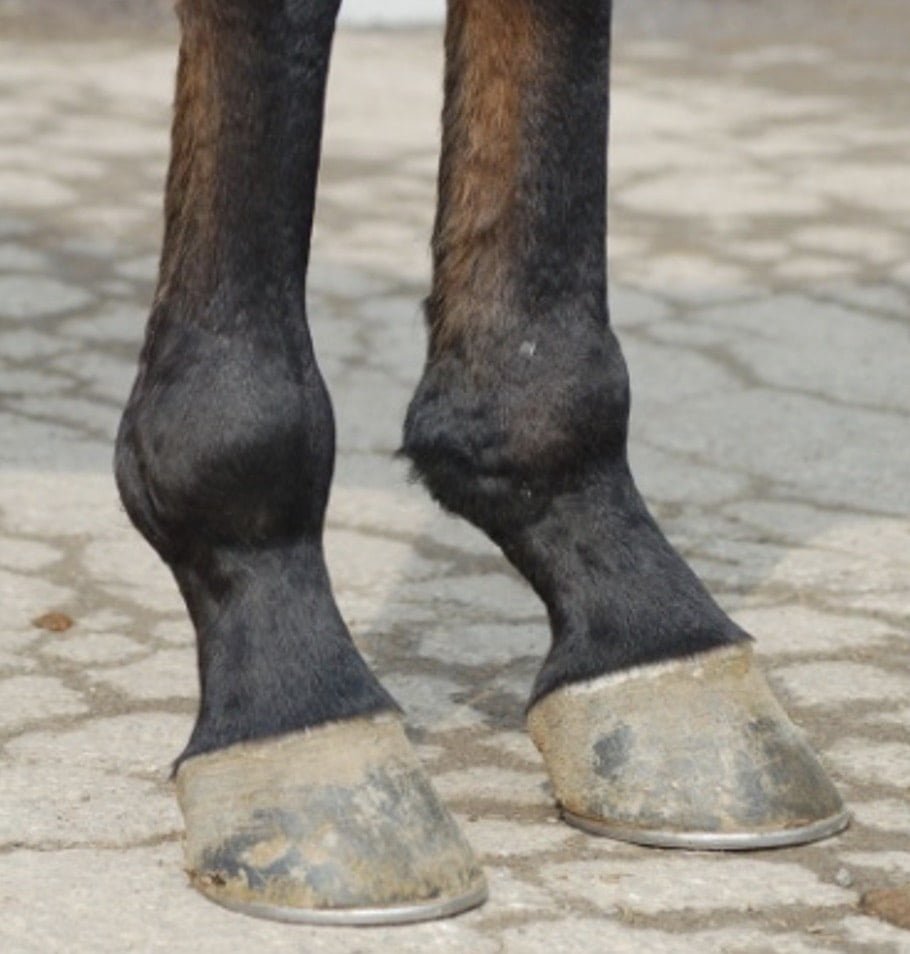
Osselets in horses Osselets in horses is a traumatic arthritis of the metacarpophalangeal joint (the fetlock) of the front leg. It usually occur in the front legs of the horse, because there is more strain and concussion on the fetlock there than in the hind legs. The arthritis will occur at the joint between the cannon

Sesamoiditis in horses Sesamoiditis in horses is observed frequently in racing horses and hunters and jumpers between 2 and 5 years of age. The sesamoid bones are maintained in position by the branches of the suspensory ligament proximally and by a number of sesamoidean ligaments distally. Because of the great stress placed on the fetlock
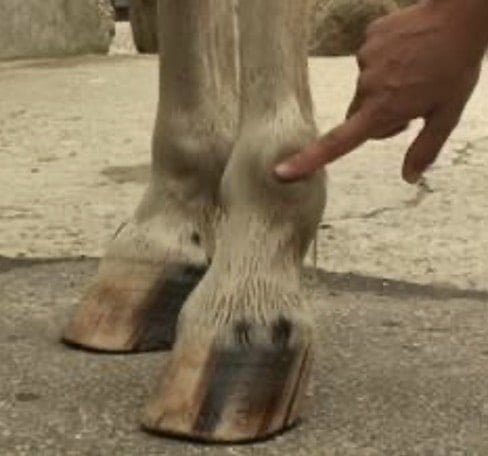
These puffy enlargements may range from chronic symptomless blemishes with no lameness or soreness to a more serious condition caused by recent injury.
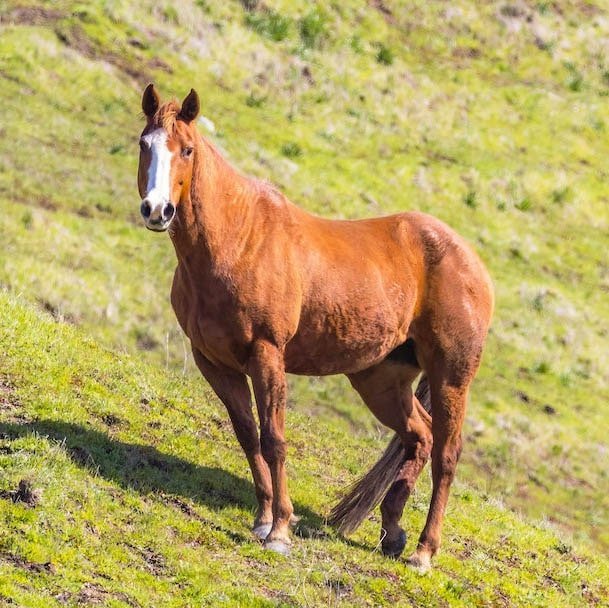
Treatment of bucked shins in horses typically consists of altering the training schedule to short bursts of speed work 2–3 times a week. Rest from training is also important until the soreness and inflammation resolve.
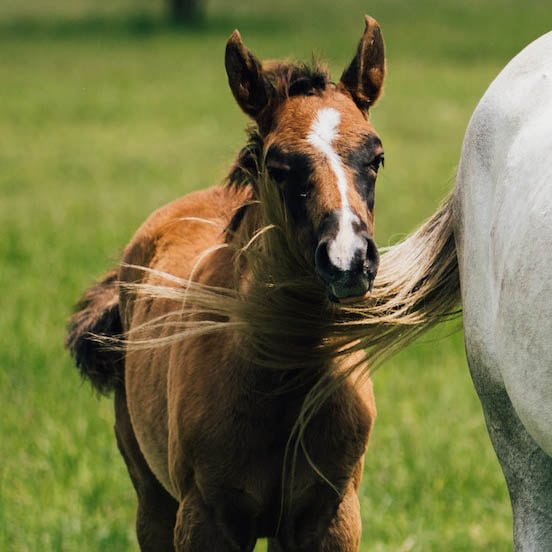
Shin soreness is caused by the cannon bone’s attempt to repair damage to the dorsal aspect of the bone when the horse is exercised to the point of overload on the front cannon bones.
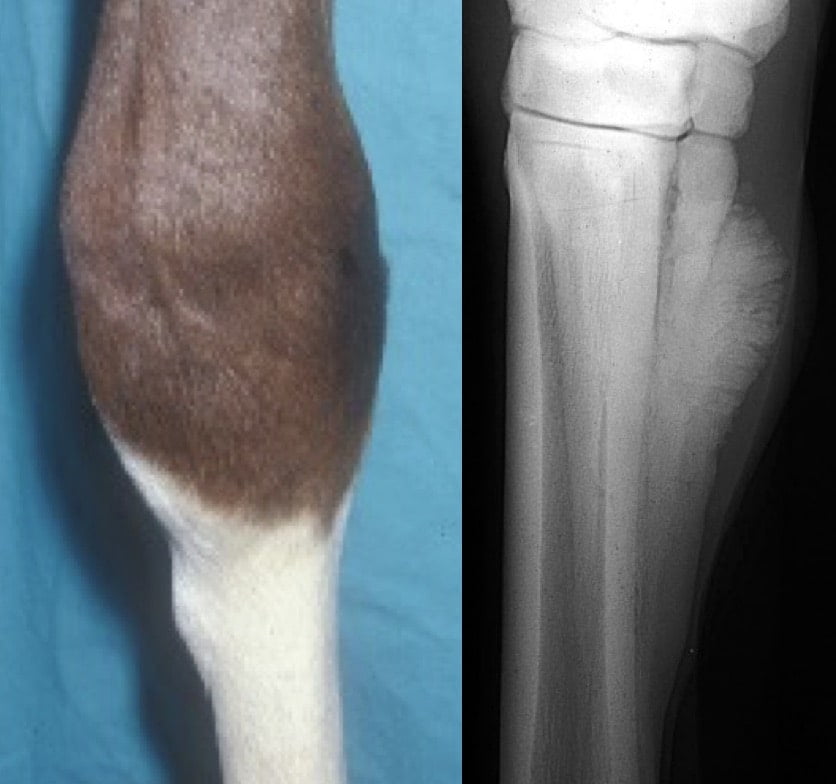
Anti-inflammatory therapy along with application of hypothermia and pressure bandage reduce heat, pain and swelling associated with acute phase of Metacarpal or metatarsal exostosis.

The carpus is affected most frequently by angular limb deformities, but the tarsus and fetlocks are occasionally involved. the deviation is obvious but varies in severity.
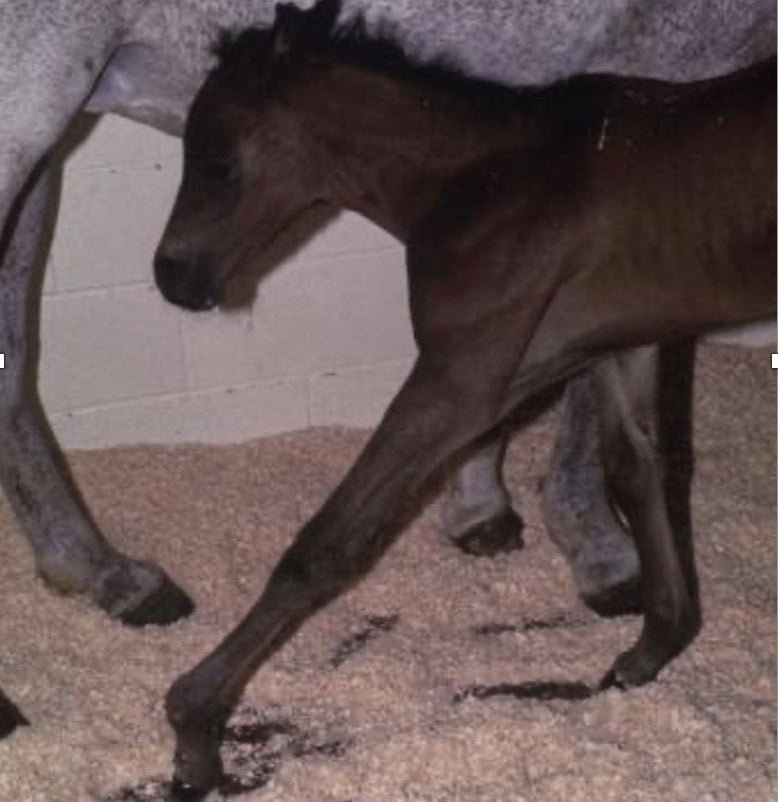
Contracted flexor tendons are probably the most prevalent abnormality of the musculoskeletal system of newborn foals and calves. An autosomal recessive gene causes this condition. In utero positioning may also affect the degree of disability.