
Canker in Horses
Veterinary Surgery and RadiologyCanker is a condition that affects the frog and sole of the foot’s horn-producing tissues, causing chronic hypertrophy and an apparent suppuration.
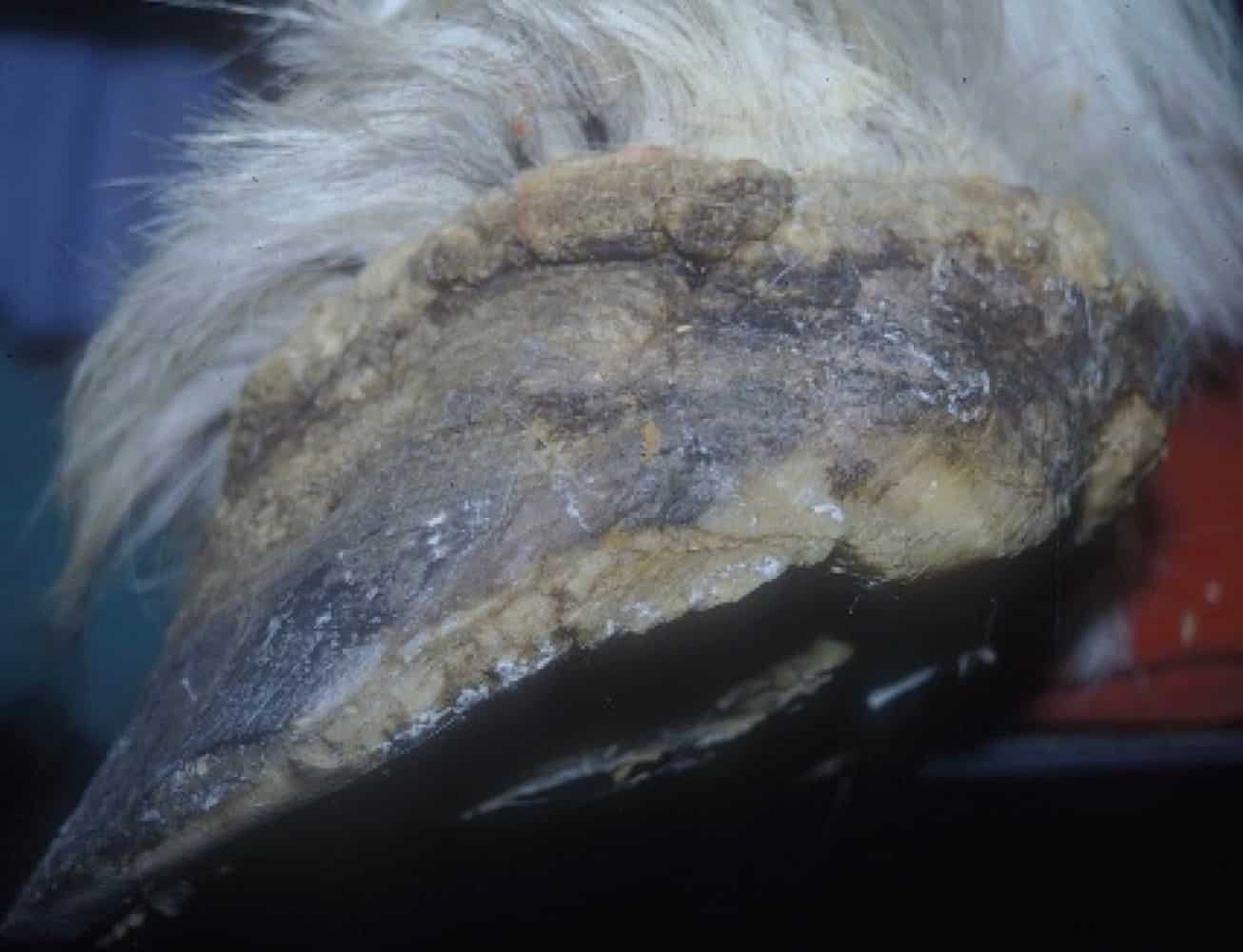
Canker is a condition that affects the frog and sole of the foot’s horn-producing tissues, causing chronic hypertrophy and an apparent suppuration.
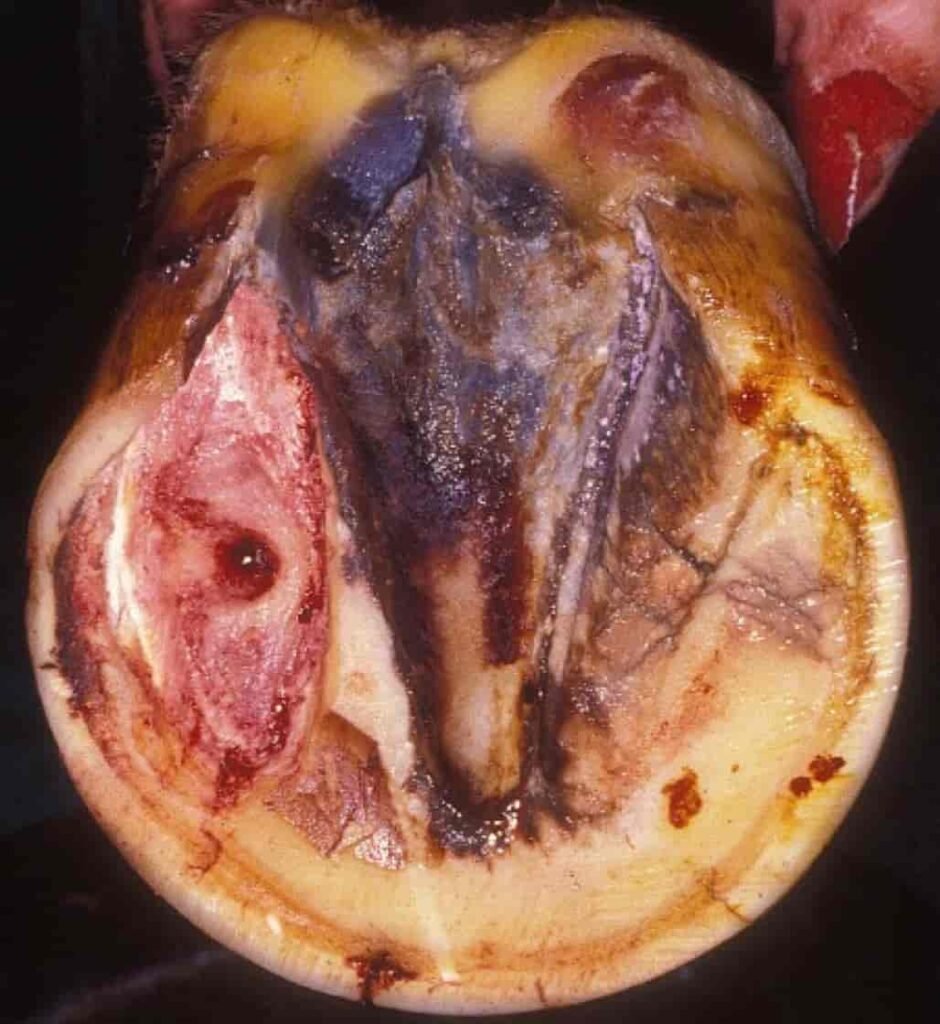
The distal phalanx does not have a medullary cavity so inflammation of this bone is referred to as osteitis rather than osteomyelitis.

Horses with large chronic extensor process fractures may have enlargement of the dorsal aspect of the coronary band and abnormal growth of the dorsal hoof wall. As the hoof grows, it develops a “V” or triangular shape called a buttress foot disease.
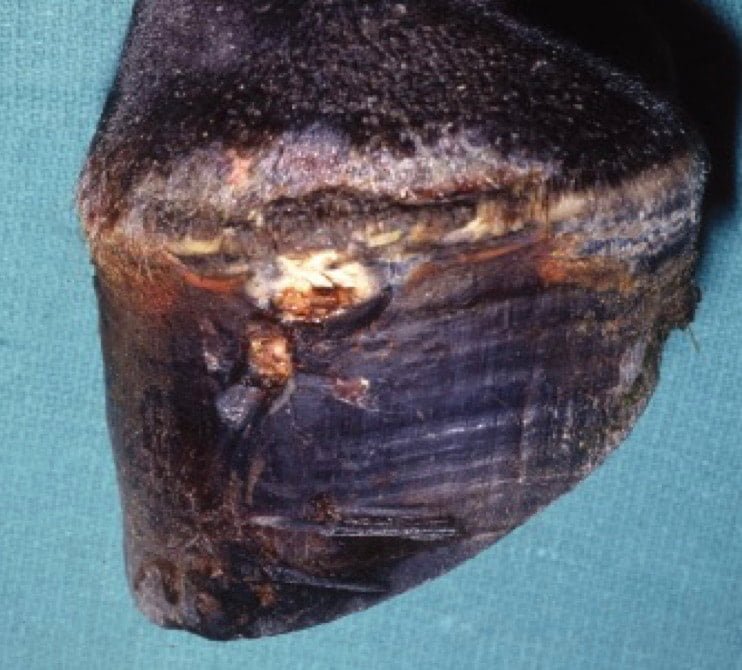
The prognosis is generally favorable if the Gravel in horses diagnosed early and adequate drainage and wound care are provided.
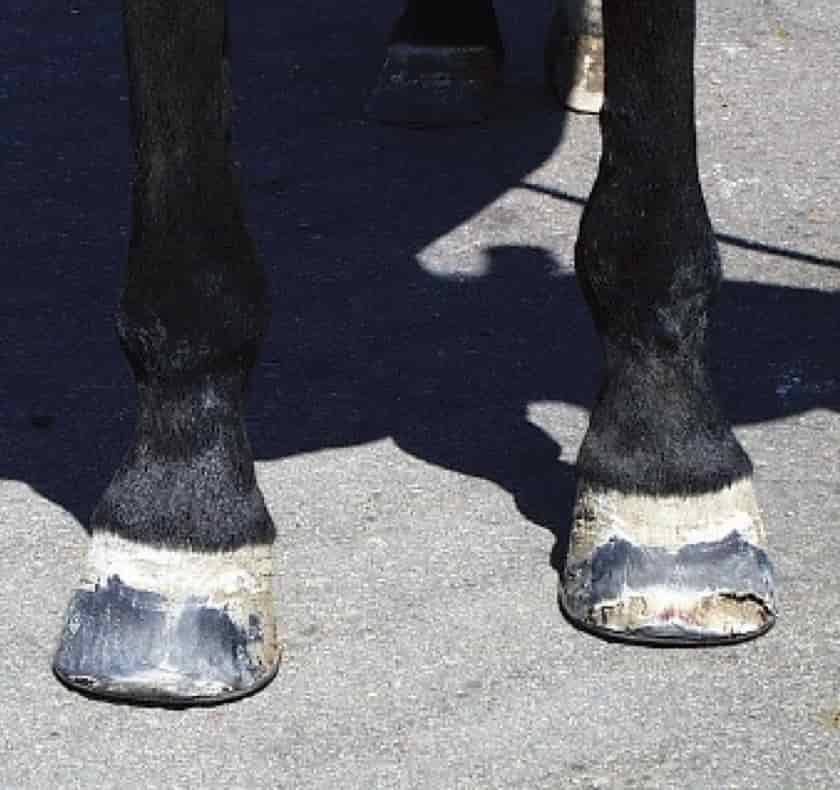
White line Disease in Horse differs from laminitis in that it does not involve the sensitive tissue beneath the hoof wall.

Quarter cracks and heel cracks are usually the most severe because they often involve the sensitive laminae.

Laminitis is a common disease in horses. It is found in acute and chronic forms.
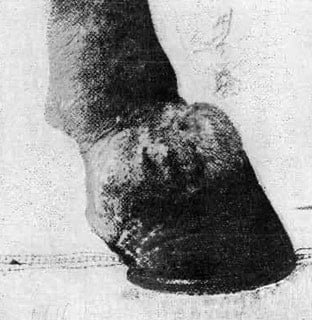
Pyramidal Disease in Horses is an osteoperiostitis and consequent exostosis involving the pyramidal process.
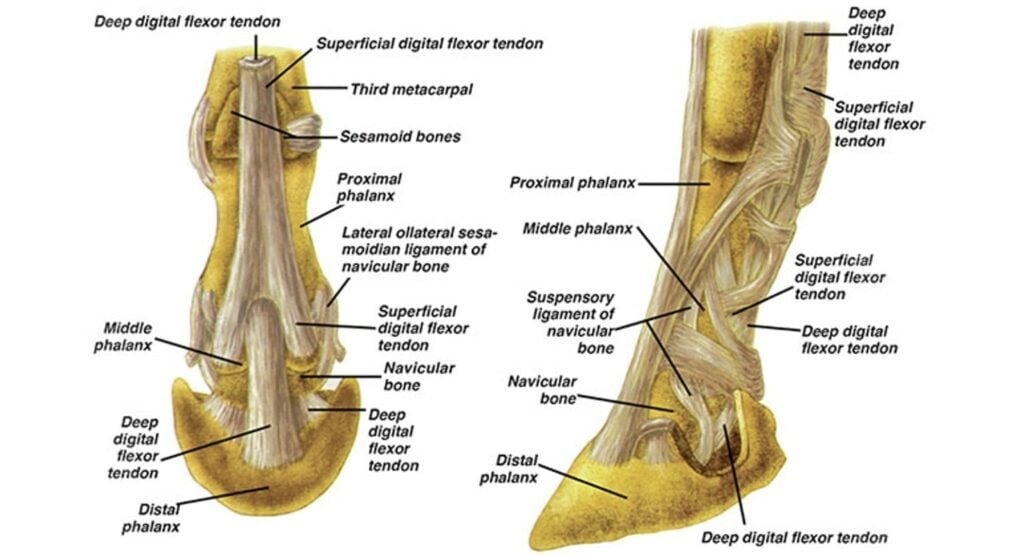
Navicular syndrome describes an inflammation or degeneration of the navicular bone and its surrounding tissues, usually on the front feet.

Female horses appear to be more susceptible to development of Ossification of the collateral cartilages of the distal phalanx and the lateral cartilage often shows more ossification than the medial cartilage.
Ossification of the collateral cartilages of the distal phalanx Read More »