
Hyperthermia
Veterinary MedicineHyperthermia results due to retention of excess heat as a consequence of disturbed thermo regulation and impeded heat elimination into the surrounding environment.
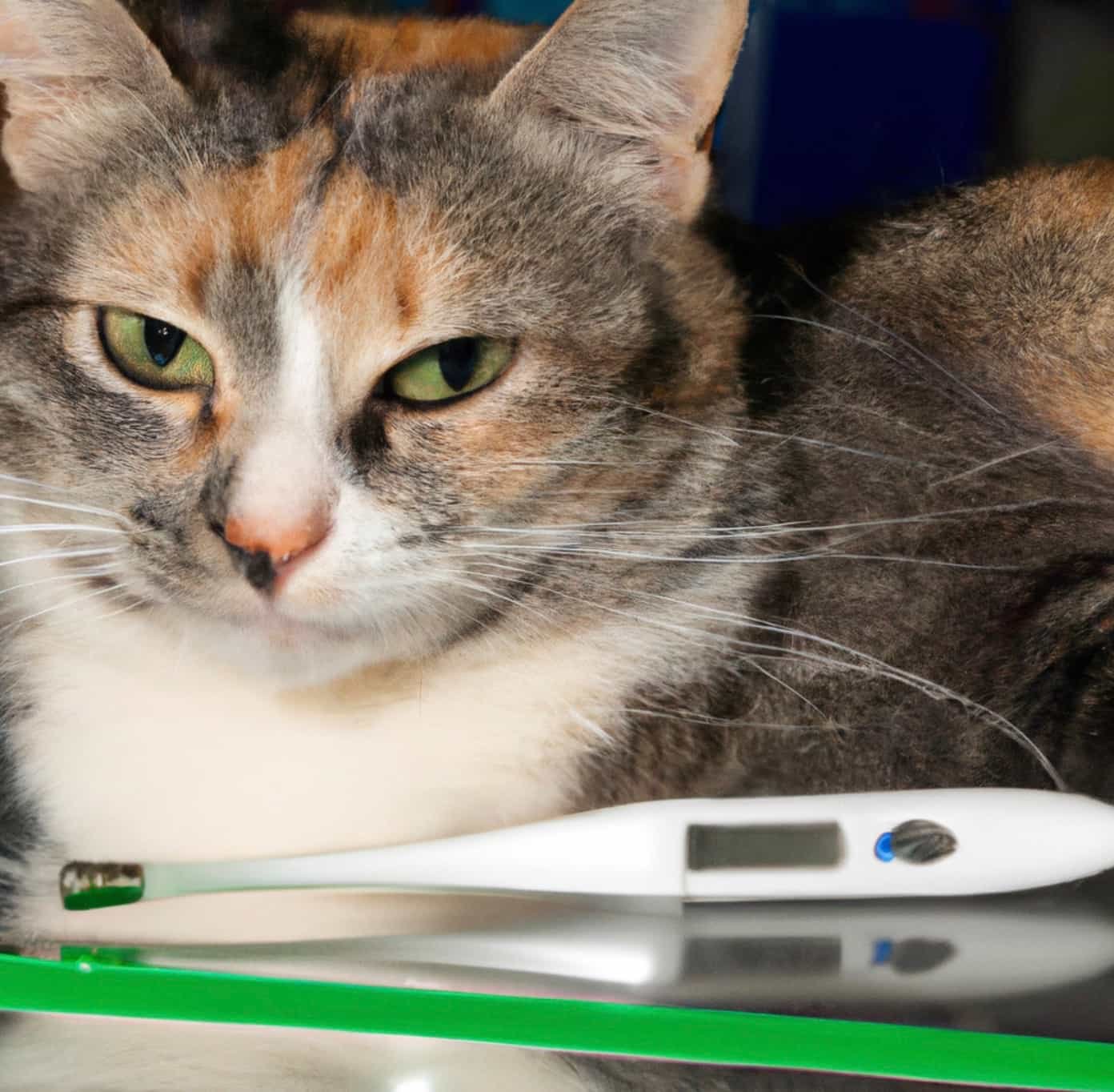
Hyperthermia results due to retention of excess heat as a consequence of disturbed thermo regulation and impeded heat elimination into the surrounding environment.

Hypothermia is a general systemic condition in which there is a decrease in body temperature below a critical level. Hypothermia results when heat loss exceeds heat production.
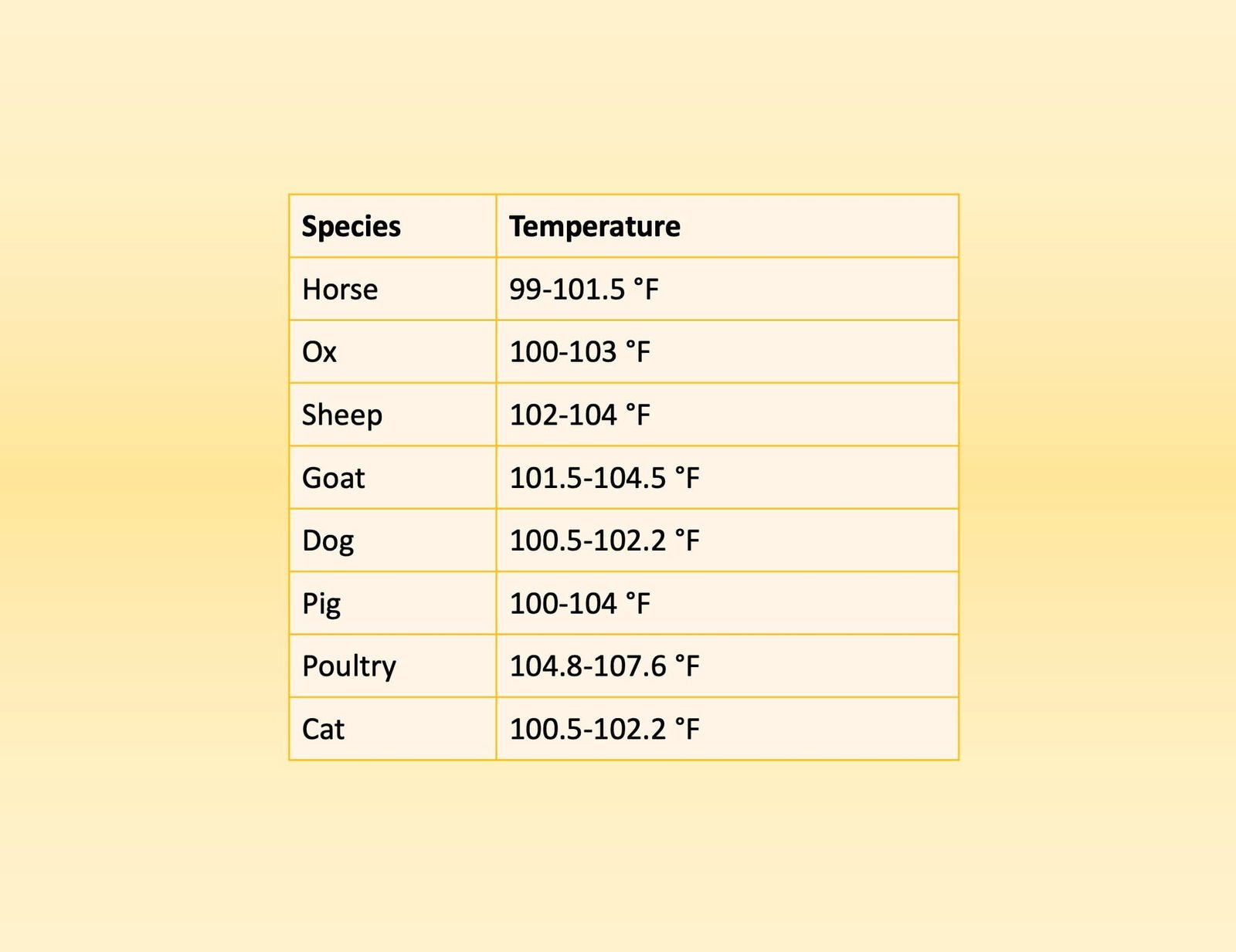
General and systemic states of animals are involving multiple causative factors like temperature, shock, dehydration, etc.

General terms for disease are latent period (incubation period), prodromal period, period of manifestation, outcome of the disease, recovery, relapse, complications, convalescence, sequele, and death.

Treatment means the knowledge of pharmacology or adopting remedial measure for treatment of disease. The aim of the treatment is to attain the sick animal and to bring it back to its normal state of health. General care and nursing are very much important for rapid recovery of a diseased animal.

Prognosis is the forecast of the probable duration and outcome of the disease. Prognosis may be graded as favorable, doubtful, poor, guarded and grave.
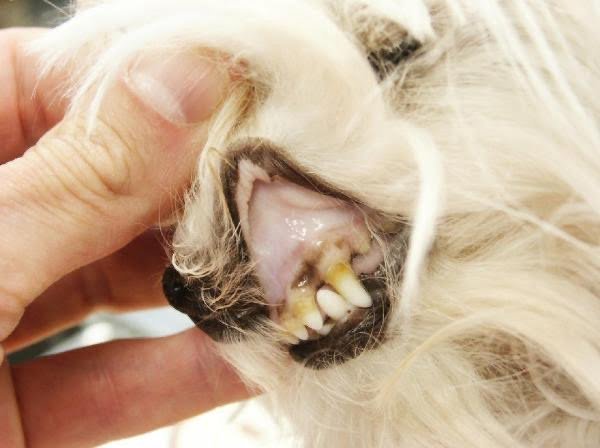
Symptoms of various diseases in animals are described here. Animals like dogs, cats, large animals, etc. exhibit various symptoms in disease conditions, and these are used to reach a confirmative diagnosis and treatment.

Ketamine is used in dogs, cats, horses, cattle, pigs, sheep, and goats for short-term anaesthetic procedures and restraint purposes.

The classification of diseases in animals is based on various parameters, and it is explained in this post in more detail.

Ivermectin for animals belongs to the Avermectin class of antiparasitic medications. Ivermectin is active against intestinal parasites, mites, bots, heartworm microfilaria, and developing larvae. Ivermectin has no effect on trematode and cestode parasites.