
Tuberculosis (TB) in Animals
Veterinary MedicineTuberculosis (TB) in animals is a chronic, contagious, granulomatous disease characterized by development of tubercle nodules followed by caseation and calcification, debility and muscle wasting.

Tuberculosis (TB) in animals is a chronic, contagious, granulomatous disease characterized by development of tubercle nodules followed by caseation and calcification, debility and muscle wasting.

Campylobacteriosis (Traveler’s Diarrhoea) is a venereal disease causing infertility, repeat breeding, abortion in early stages of pregnancy, and gastrointestinal problems in cattle, sheep, goats and human beings.

Q Fever (Coxiellosis) is a zoonotic disease. The letter “Q” represent an abbreviated form of a query because of unknown descriptions for the disease that occured before proper diagnosis had been done.

Actinomycosis (Lumpy Jaw) disease is a chronic, sporadic disease, affecting cattle followed by pigs and horses. In association with Brucella abortus, it causes “Fistulous withers” and “Poll evil” in horses.

Actinobacillosis (Wooden tongue) Disease is a chronic and infectious disease of cattle and sheep featured by inflammation of soft tissues of the head, neck, oro-pharyngeal lymph nodes, oesophageal groove and nasal cavity.

The Diamond Skin Disease (Erysipelas) causes a sudden death with high fatality in pigs and a characteristic diamond shaped skin lesions, arthritis and endocarditis. It is an important zoonotic disease.

Sporotrichosis or rose handlers disease is a chronic, contagious and suppurative granulomatous disease caused by a fungus. It develops cutaneous nodules and ulcers over the skin and subcutaneous tissues along the lymphatic tracts.
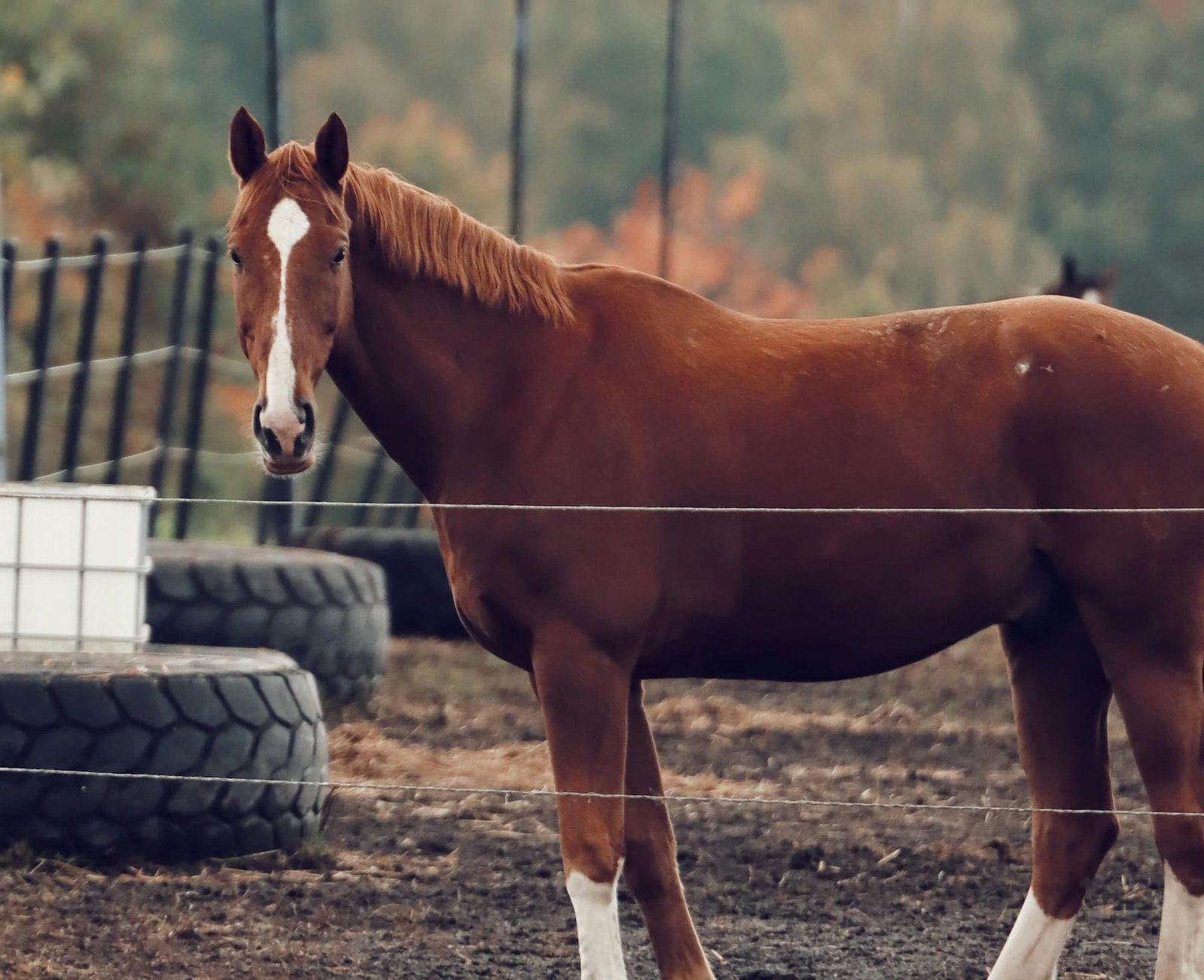
Strangles or Equine Distemper or Infectious adenitis is caused by Streptococcus equi subspecies equi in horses. It is an extremely contagious disease of horses, most commonly affecting foals.

Clostridium botulinum produces potent neurotoxins during their vegetative transformation. The vegetative cells multiply rapidly and elaborate a stable and highly lethal toxins types such as B, C and D which when ingested or absorbed by tissues develops botulism.
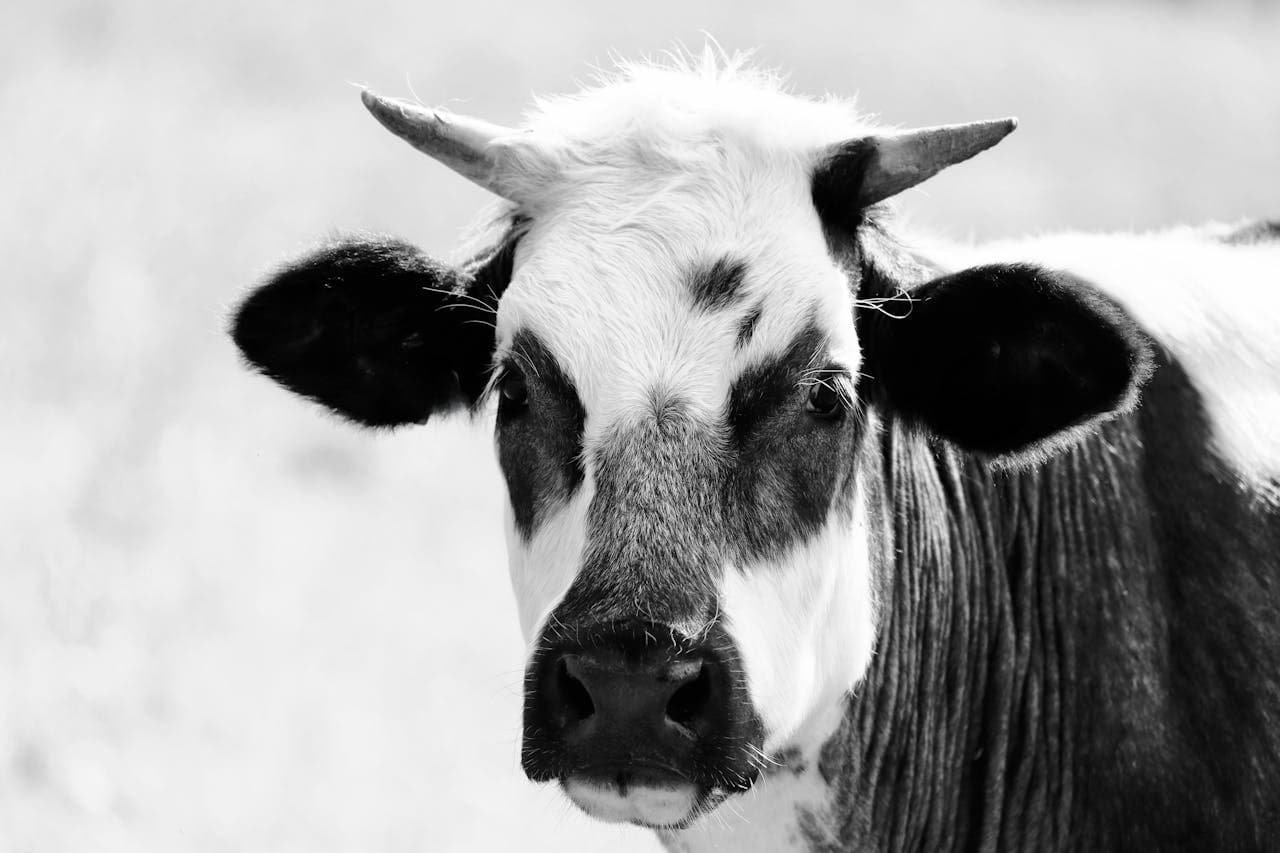
Black Quarter affected animals develop skeletal muscle damage, severe gangrenous, necrotising, emphysematous myositis and a fatal systemic toxaemia.