
Cardiac Arrhythmias in Animals
Veterinary MedicineCardiac arrhythmias in animals may be defined as deviations from the normal heart rate rhythm or rhythms originating from abnormal locations within the heart.

Cardiac arrhythmias in animals may be defined as deviations from the normal heart rate rhythm or rhythms originating from abnormal locations within the heart.

Congenital heart diseases are malformations of the heart and great vessels. It is important to identify them in newly acquired pets or those to be used for breeding.

Thromboembolism (thrombus formation) is a common and serious complication of myocardial disease in the cats.
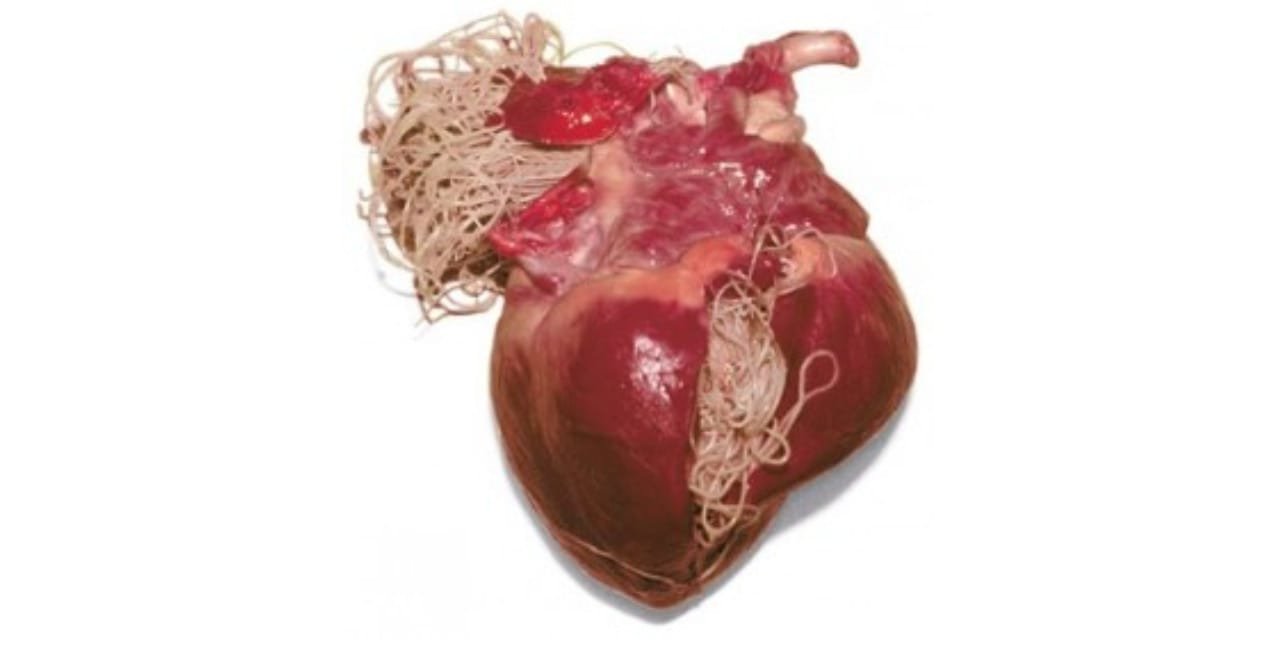
Canine and feline heartworm disease is of worldwide significance. But can be prevent by regular deworming and ectoparasiticides that used widely.

Hypertrophic Cardio Myopathy (HCM) is rare in dogs and common in cats. It called Feline hypertrophic cardiomyopathy in cats and Canine hypertrophic cardiomyopathy in dogs.

Dilated Cardio Myopathy (DCM) is most commonly seen in dogs and cats, and called canine dilated cardiomyopathy and feline dilated cardiomyopathy respectively.

CKD occurs when compensatory mechanisms are no longer able to maintain excretory, regulatory, and endocrine functioning. It results in retention of nitrogenous solutes, failure of hormone production, derangements of fluid, electrolytes, and acid-base balance.
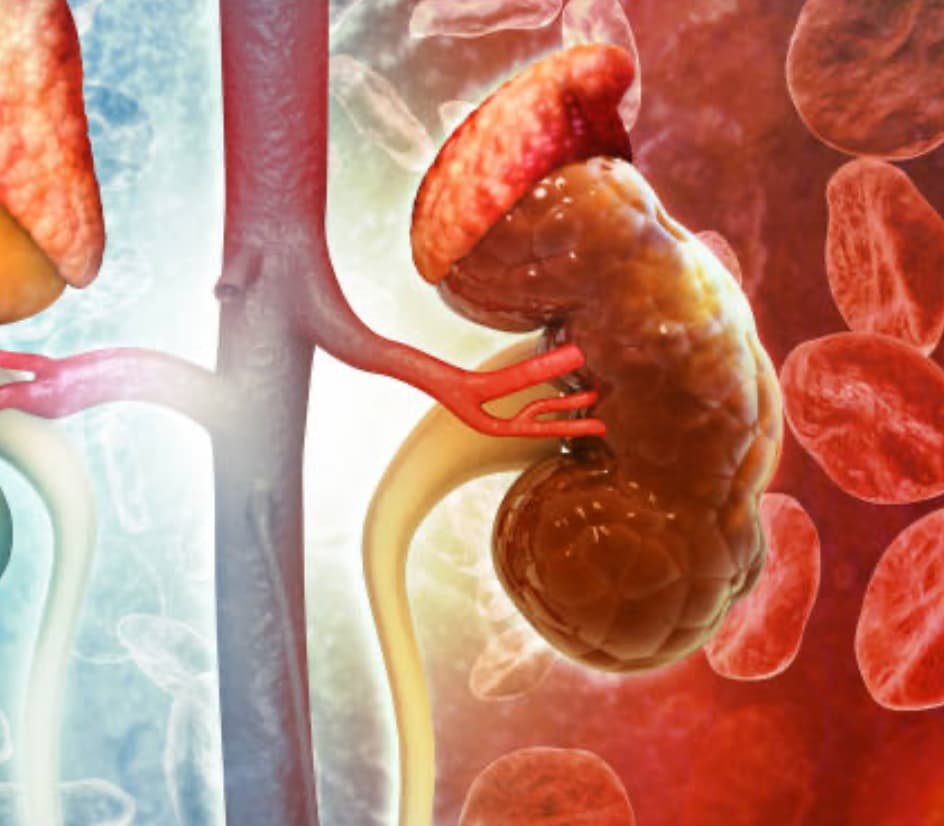
Acute Renal Failure (ARF), also known as Acute Kidney Injury (AKI), is characterized by a sudden decline in kidney function, leading to fluid and electrolyte imbalance and metabolic waste buildup. Common causes include ischemia, nephrotoxicity, and renal vascular issues. Diagnosis involves clinical assessment and laboratory tests.
Urolithiasis, characterized by the deposition of calculi or stones in the urinary tract, poses significant health risks. Factors contributing to urolithiasis include altered urinary pH, dehydration, urinary tract infections, and dietary factors. Urolith formation progresses through stages involving nidus formation, solute precipitation, and concretion. Clinical signs include abdominal pain, difficulty urinating, and blood-stained urine. Diagnosis involves clinical assessment, radiographic examination, urinalysis, and serum biochemistry. Treatment typically involves surgical intervention for urethral obstruction, along with supportive care and alternative medicines to manage symptoms and prevent recurrence.
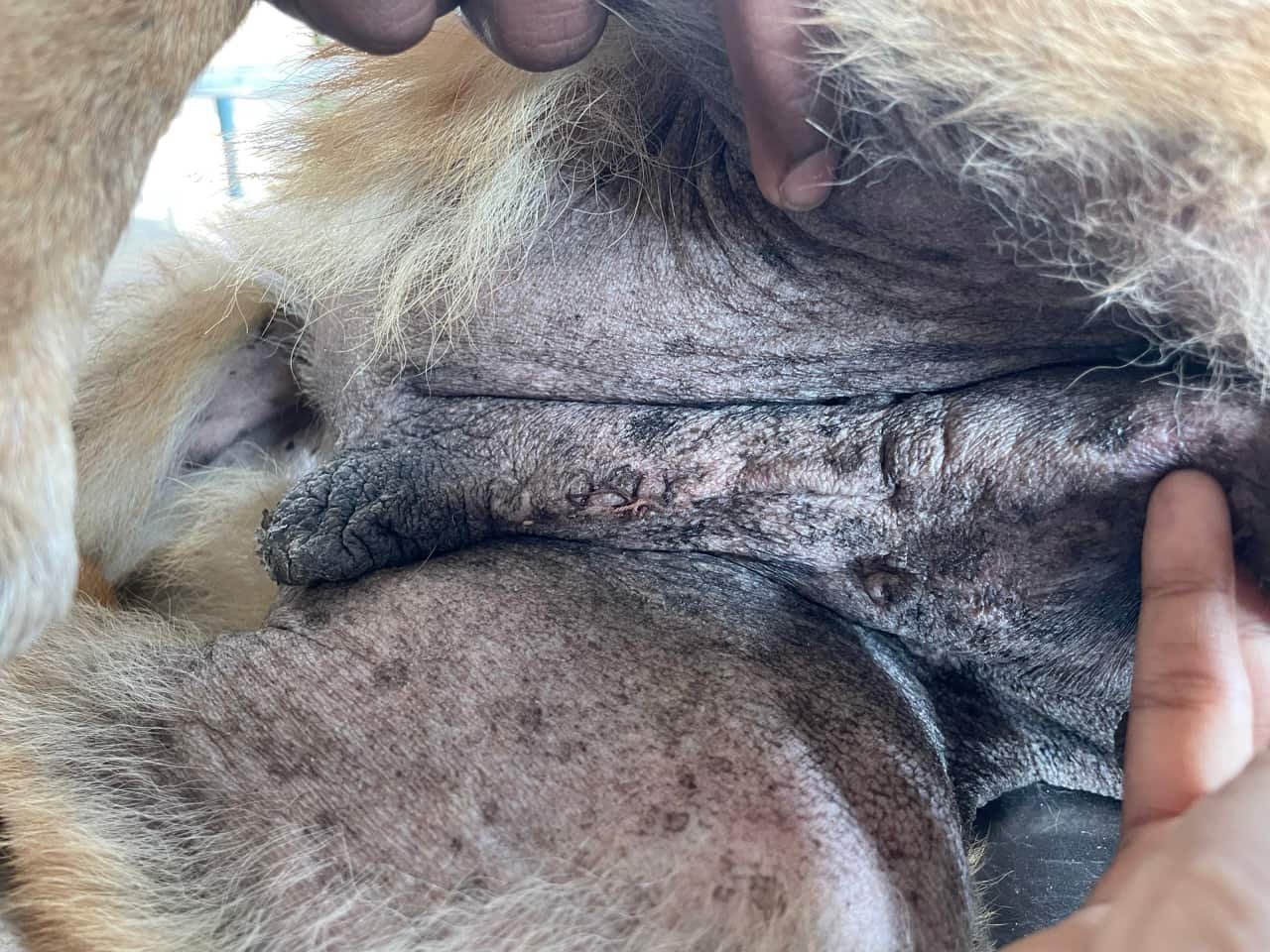
Cystitis is the inflammation of the urinary bladder, characterized by frequent painful urination and the presence of inflammatory cells and bacteria. It can result from factors such as infection, urine stagnation, and mucosal injury. Clinical signs include painful urination, abdominal discomfort, and abnormal urinary habits. Diagnosis involves clinical assessment, urinalysis, bacterial culture, and radiographic studies. Treatment typically includes antimicrobial therapy based on sensitivity testing, along with urinary acidifiers or alkalizers to optimize urine pH.