
Spirochetosis
Veterinary MedicineSpirochetosis in animals generally classified into Blood spirochetosis and Intestinal spirochetosis. Avian spirochetosis is an acute, febrile, septicemic, bacterial disease that affects wide varieties of birds.
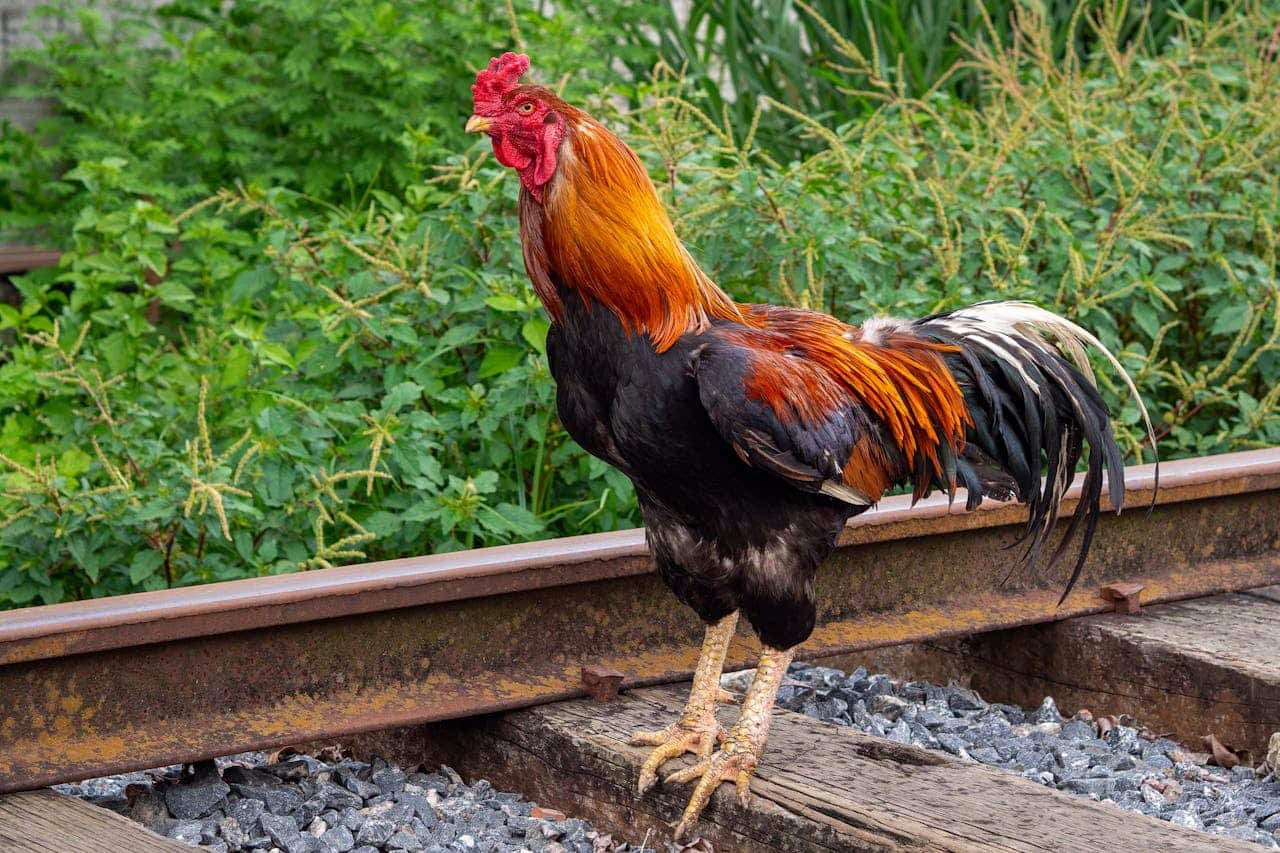
Spirochetosis in animals generally classified into Blood spirochetosis and Intestinal spirochetosis. Avian spirochetosis is an acute, febrile, septicemic, bacterial disease that affects wide varieties of birds.

Trichothecene Mycotoxins are powerful inhibitors of protein synthesis in host. Trichothecenes are different from most other potential weapons toxins because they can act through the skin.

Ochratoxicosis occurs seldom in poultry. It is more lethal in acute toxicity. It caused by Aspergillus ochraceus that interferes with functions of kidney, proventriculus and gizzard.
Aflatoxicosis is the Mycotoxicosis produced by Aspergillus flavus, Aspergillus parasiticus or Penicillium puberulum.
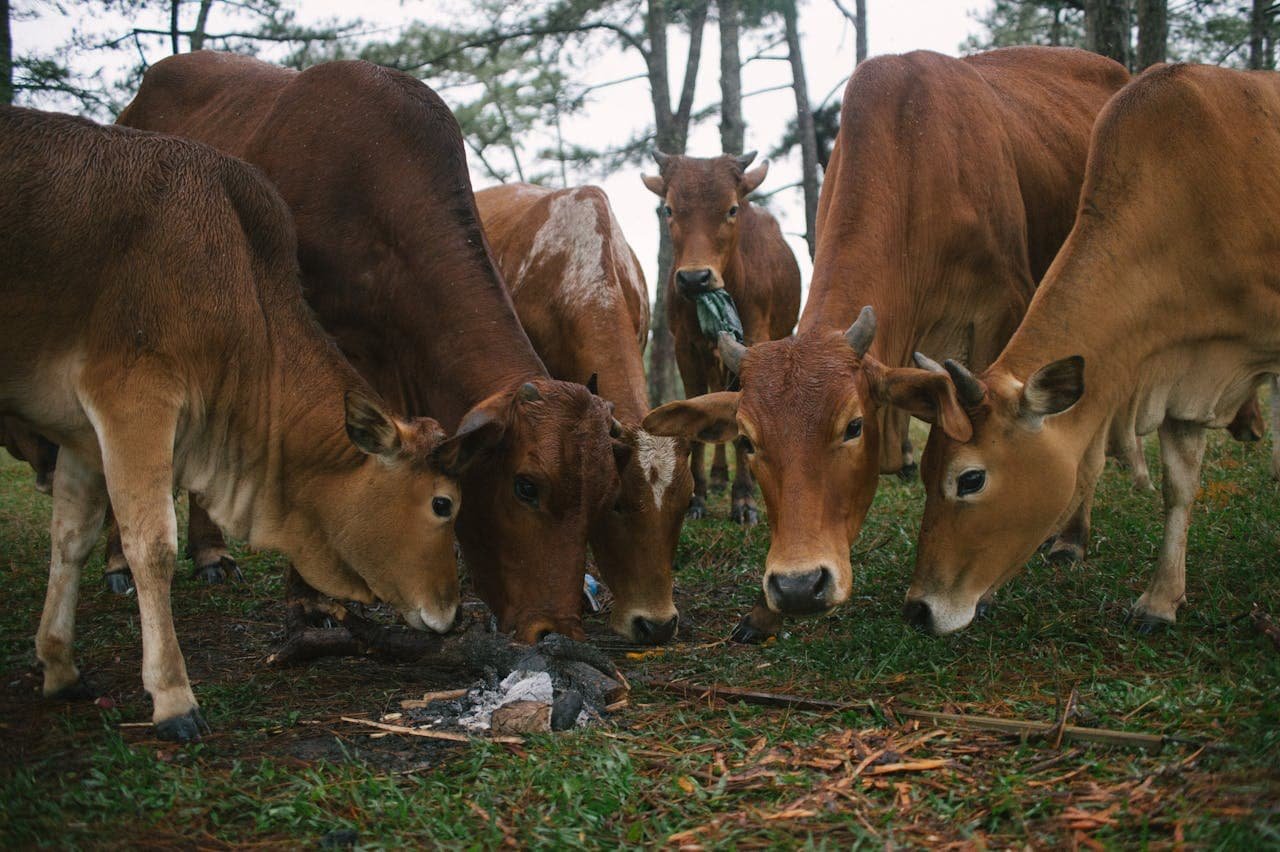
Chlamydiosis or Psittacosis is a term used to indicate the disease in psittacine birds, humans and animals.
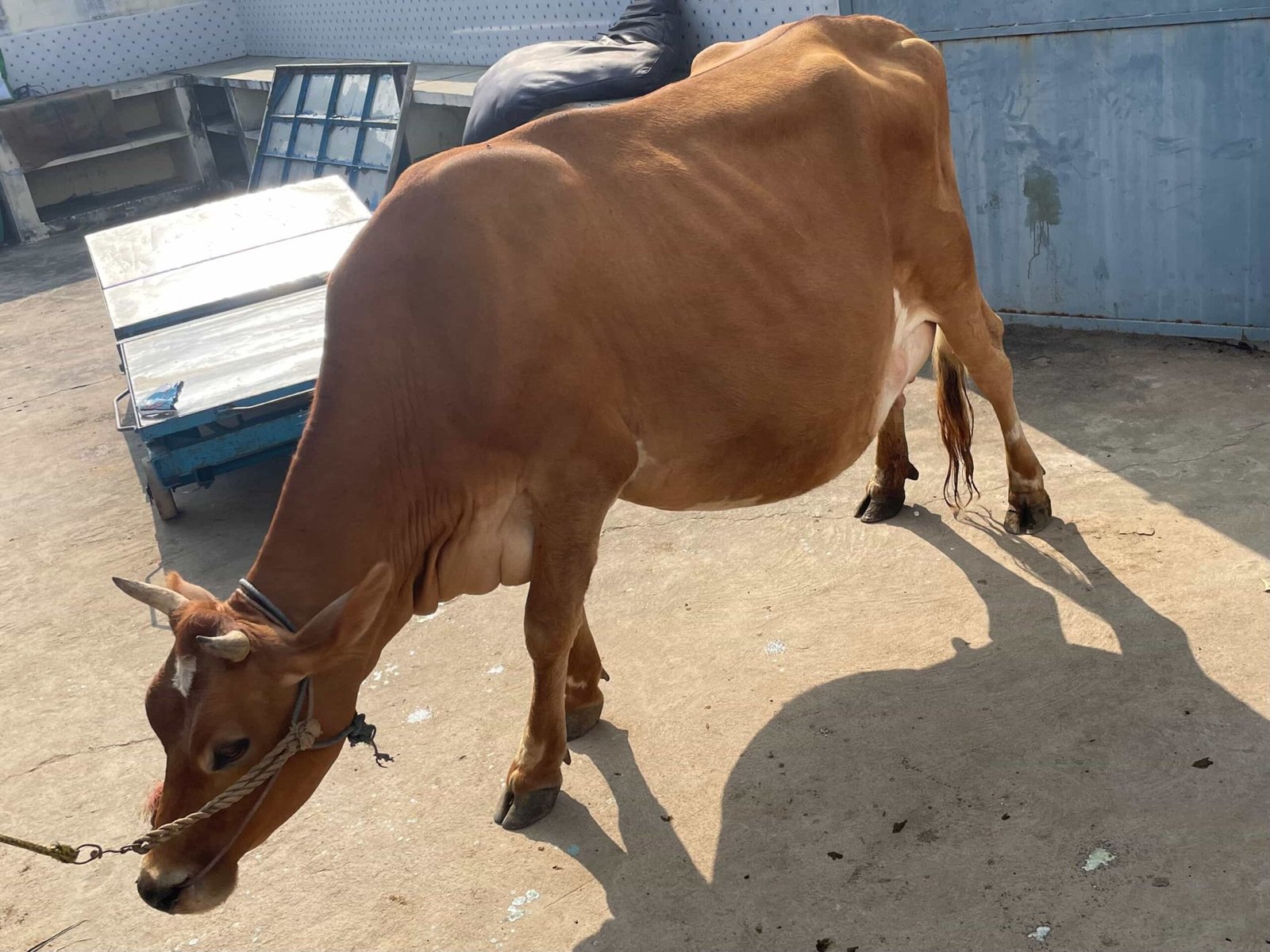
Mastitis (Mammitis) is an inflammation of the mammary gland. In which the milk undergo physical, chemical and microbiological changes where as mammary glandular tissue under go physical and pathological changes.

Anaplasmosis (Gall Sickness) is a rickettsial disease affecting cattle, sheep and goats including wild ruminants and has been characterized by anaemia, jaundice and haemoglobinemia without the evidence of haemoglobinuria.
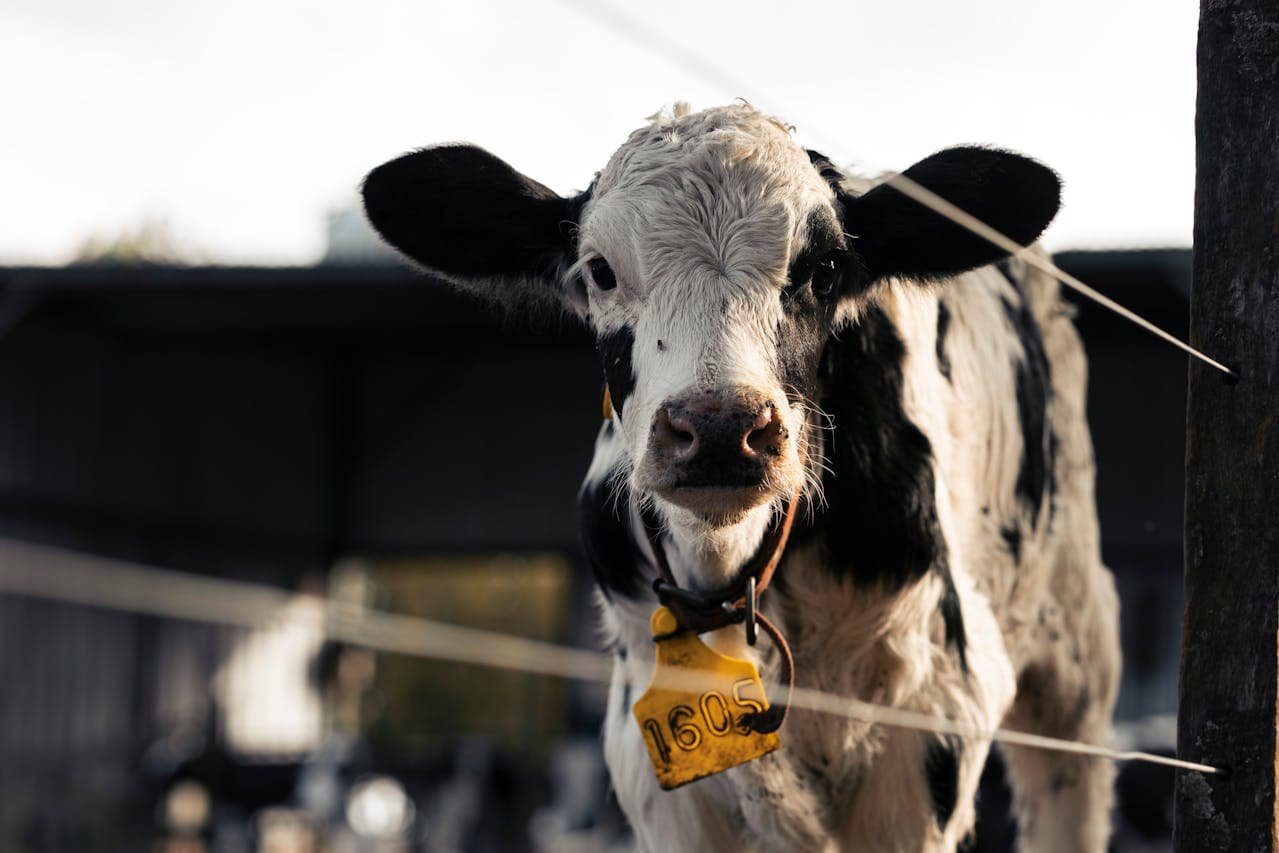
Colibacillosis (Scour in Ruminants) is caused by Escherichia coli. It is a normal inhabitant of the digestive tract of mammals and birds. The disease is usually sporadic and is more common in dairy than beef calves.
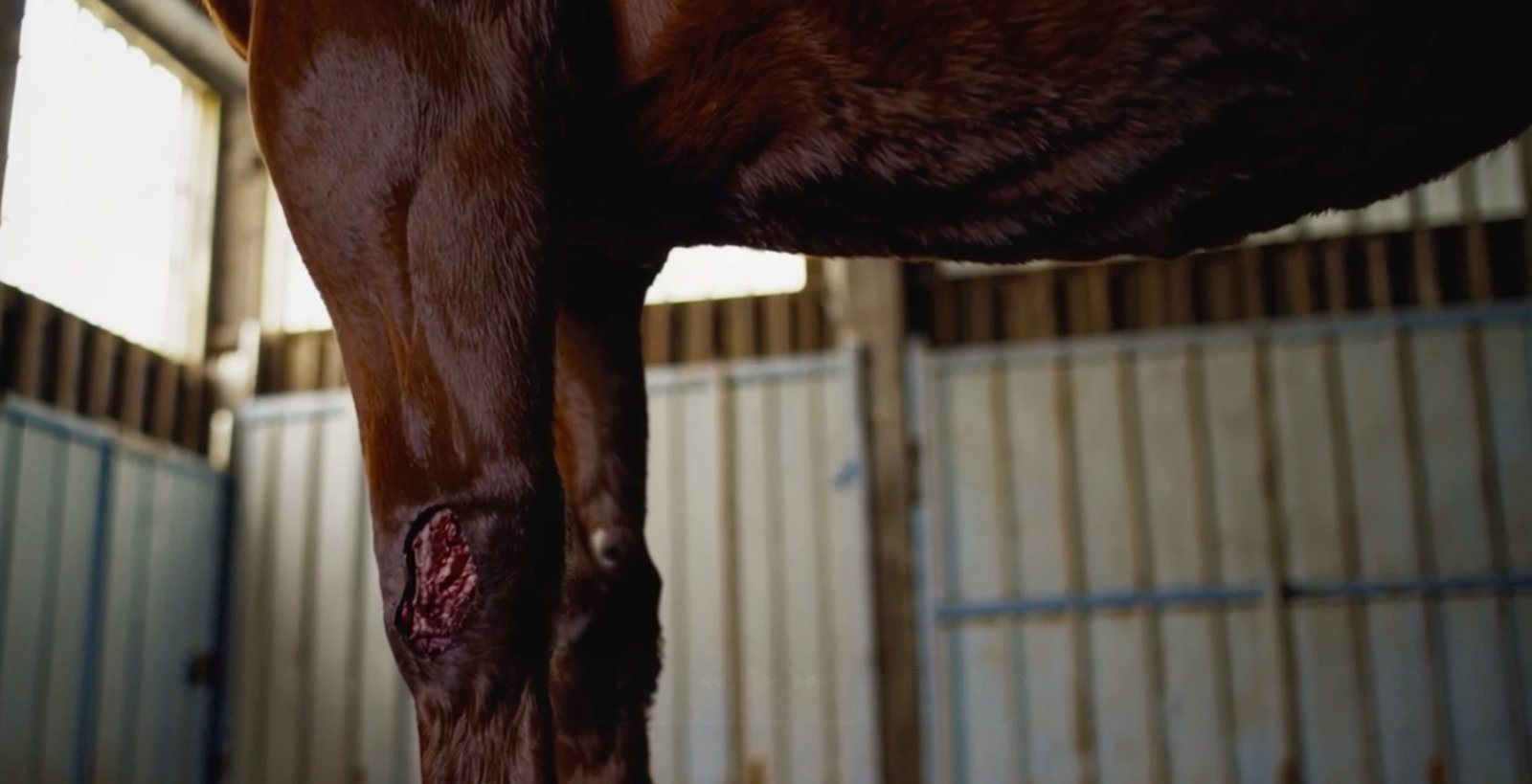
Ulcerative Lymphangitis (Big Leg) is characterized by the development of cutaneous form of pyogranulomatous abscess in subcutis, mastitis, internal abscessation, a necrotic and ulcerative dermatitis on the heel of the foot.

Leptospirosis (Rat Scratch Yellow Fever) is a potentially re-emerging, epidemic disease creates a public health problems.