
Trichomoniasis
Veterinary MedicineTrichomoniasis is a sexually transmitted disease of cattle caused by Trichomonas foetus and clinically characterized by infertility, early abortion, pyometra and inapparent infection in bulls.
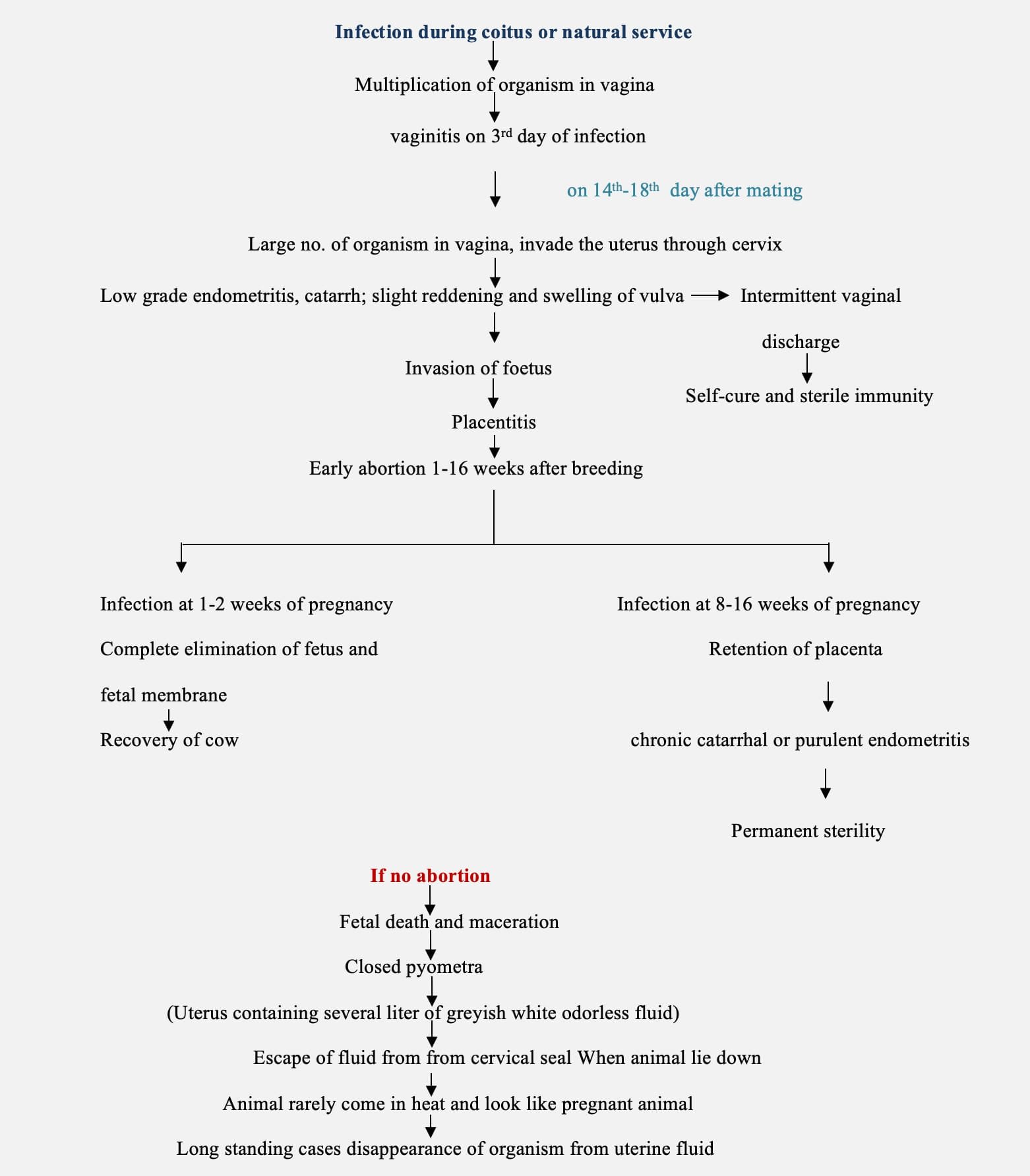
Trichomoniasis is a sexually transmitted disease of cattle caused by Trichomonas foetus and clinically characterized by infertility, early abortion, pyometra and inapparent infection in bulls.

Theileriosis is a vector borne disease of cattle, sheep and goat characterized by fever and lymphoproliferative disorders, which may be associated with leukopenia and anaemia. It is caused by Theileria sp and transmitted by ixodid ticks.
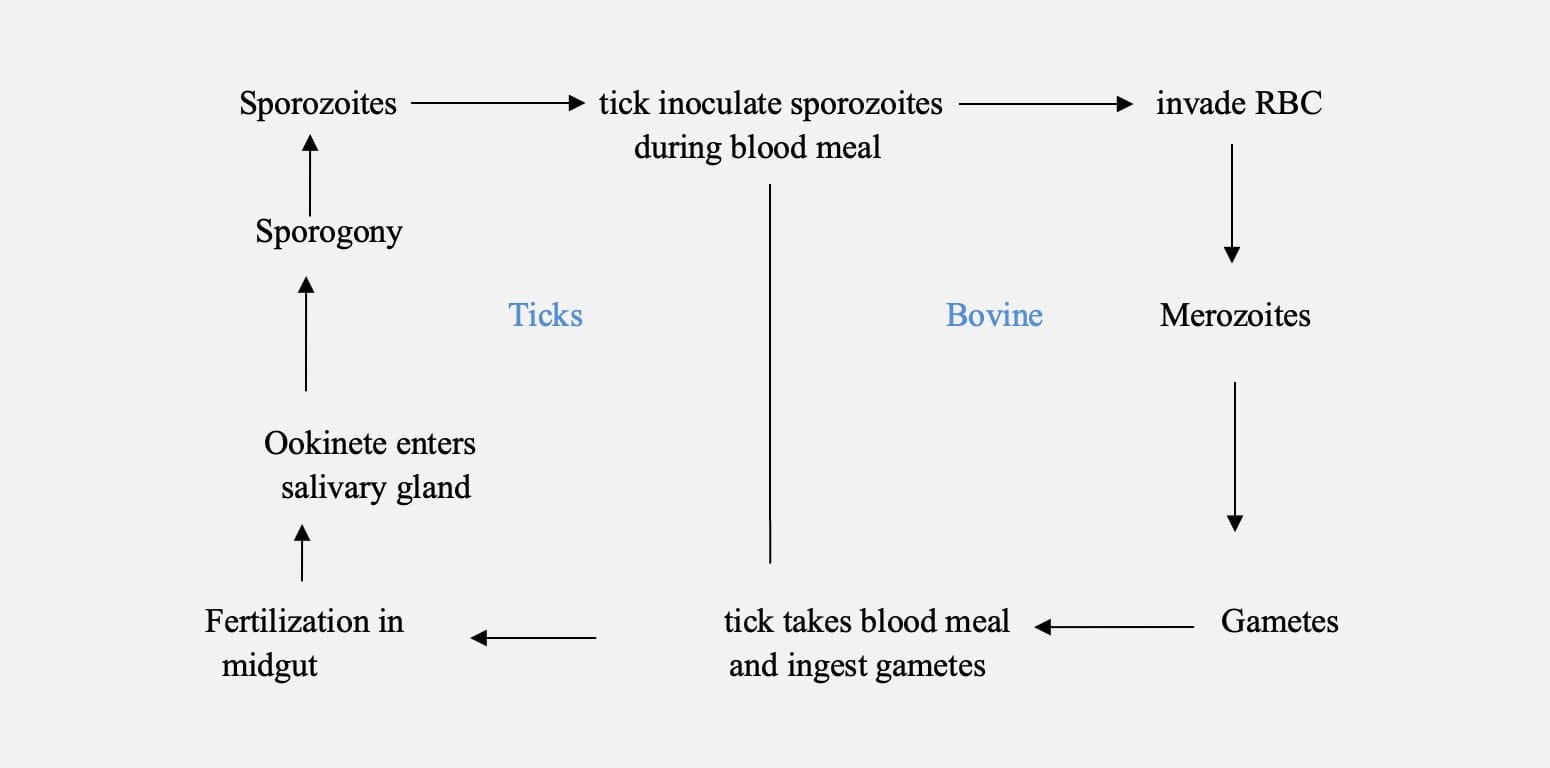
Babesiosis is a first vector borne disease of cattle, sheep, pigs, horses and dogs and is characterized by fever, intravascular haemolysis causing a syndrome of anaemia, haemoglobinaemia and hemoglobinuria.
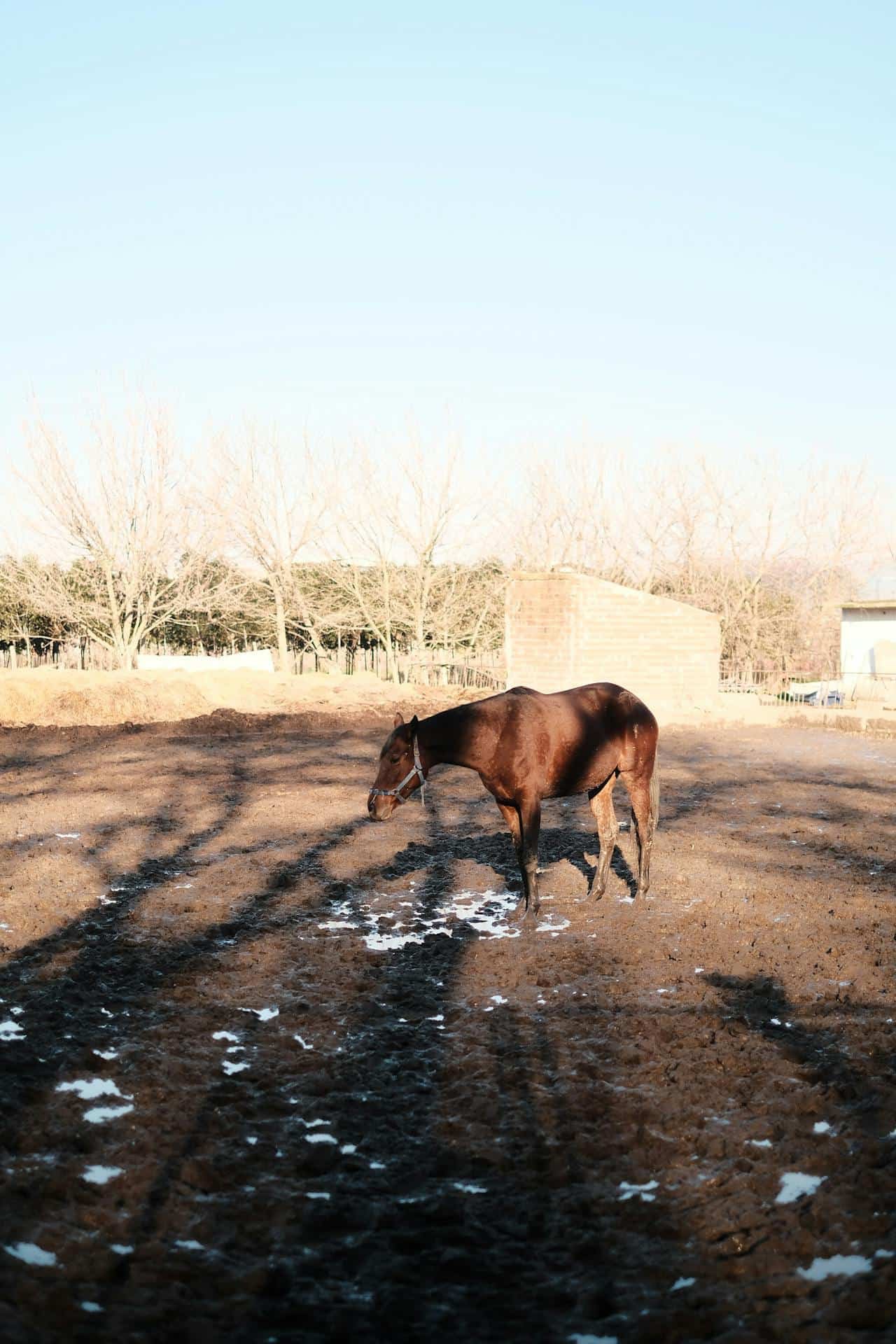
Dourine is a disease of equids caused by Trypanosoma equiperdum of the subgenus Trypanozoon mainly transmitted directly from animal to animal during coitus.

Nagana (African Trypanosomiasis) is caused by group of trypanosome species Trypanosoma vivax, T. brucei brucei, T. Congolense and T. Simiae.
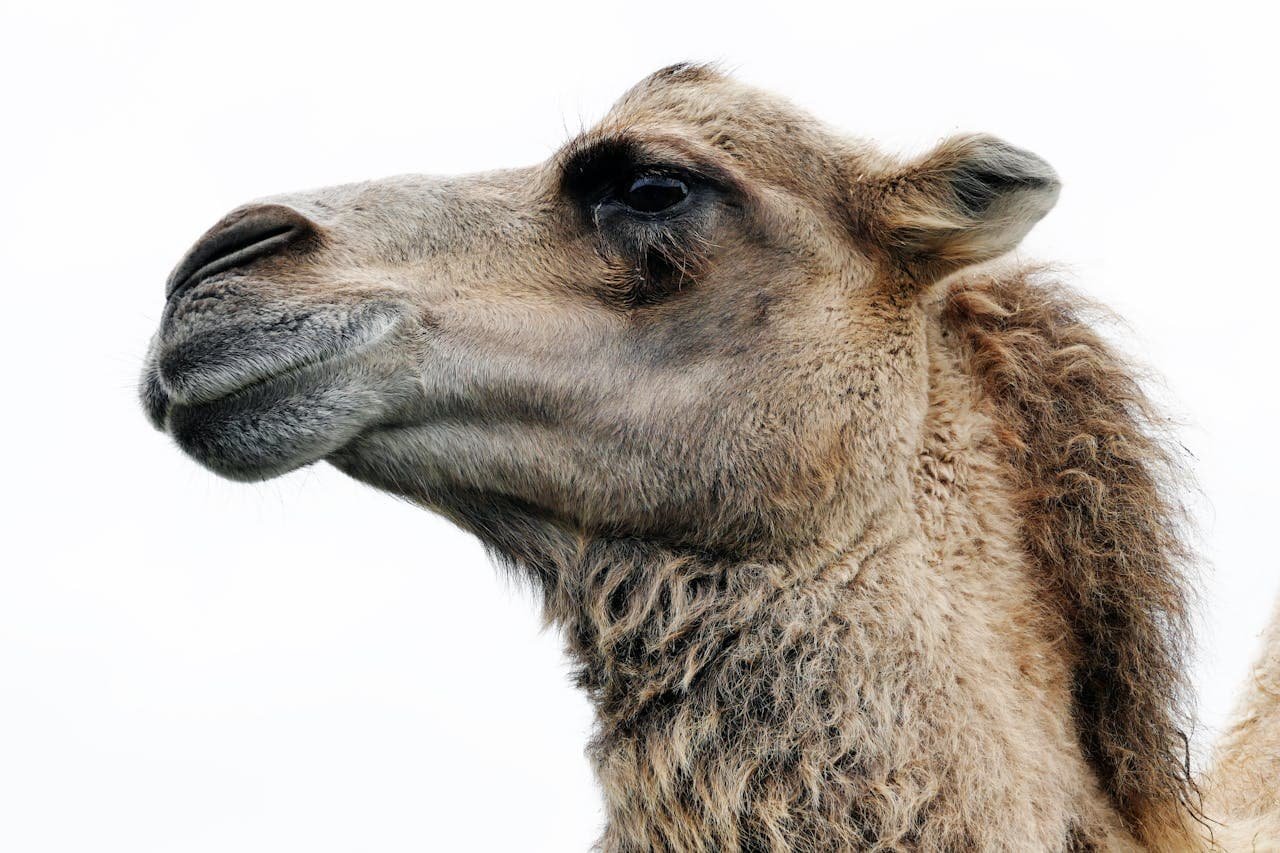
Surra (Mal De Caderas) is caused by trypanosoma evansi, which is the first pathogenic trypanosome to be identified in 1880 in India.

Trypanosomiasis is the group of disease caused by protozoa genus trypanosoma affect all domestic animals.

Verminous Bronchitis (Parasitic Bronchitis) is a lung worms disease of domestic animals includes cattle, horse, donkey, cat, dog, pig, sheep and goat.

Haemonchosis also known as Stomach worm or Wire worm of Ruminants. It is caused by haemonchus contortus and H. Placei.
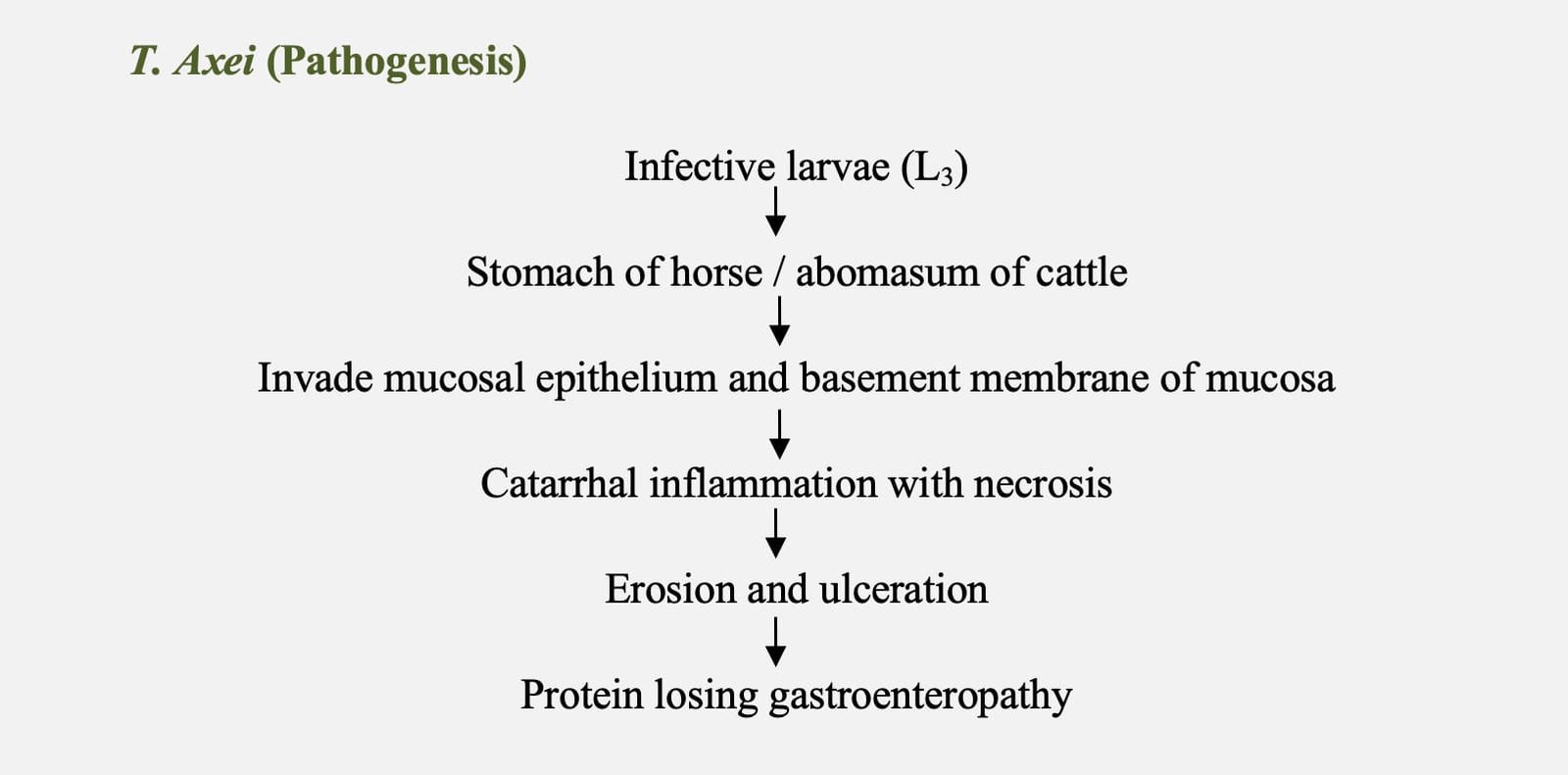
Tricostrongylosis is a nematode parasitic disease of animals caused by Trichostrongylus species (Trichostrongylus Colubriformis, axei and tenius).