
Surgery of cyst in animals
Veterinary Surgery and RadiologyMost of the cysts in animals are benign in nature, but some may produce symptoms due to their size and /or location. Size of a cyst may vary from a small grape to a football.
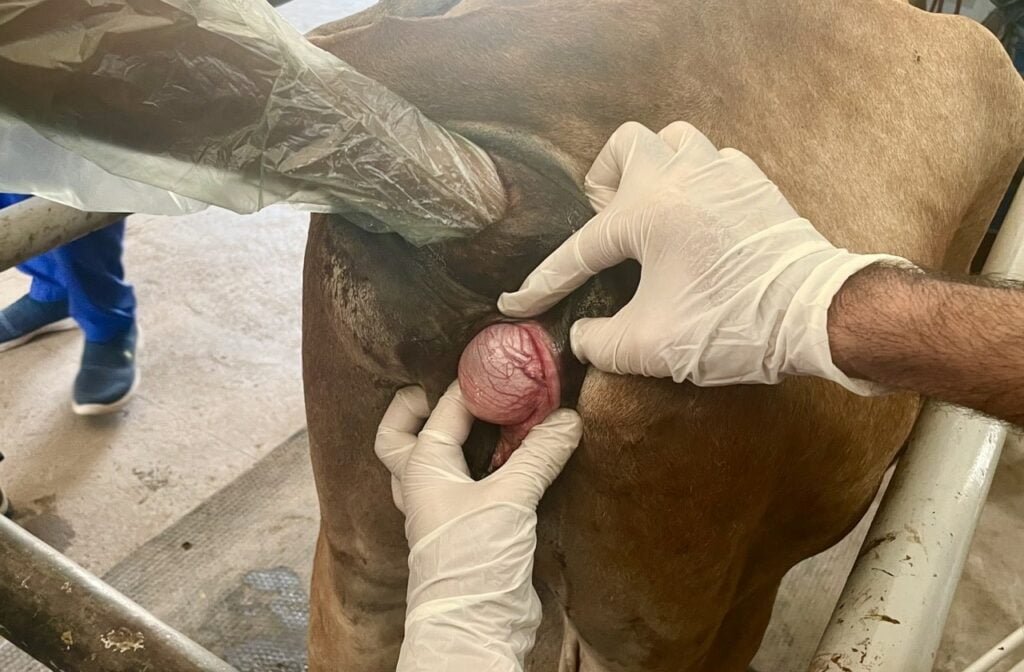
Most of the cysts in animals are benign in nature, but some may produce symptoms due to their size and /or location. Size of a cyst may vary from a small grape to a football.
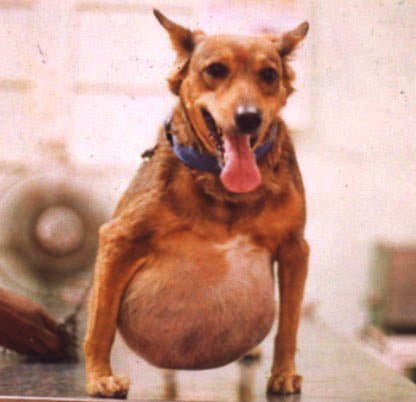
Tumor in animals Tumor in animals or Tumour may be defined as “an abnormal mass of tissue, the growth of which extends uncontrolled, in comparison to the normal tissue and persists in the same excess even after cessation of the stimuli which evoked the change.” The term “neoplasm” is a Greek word used primarily for
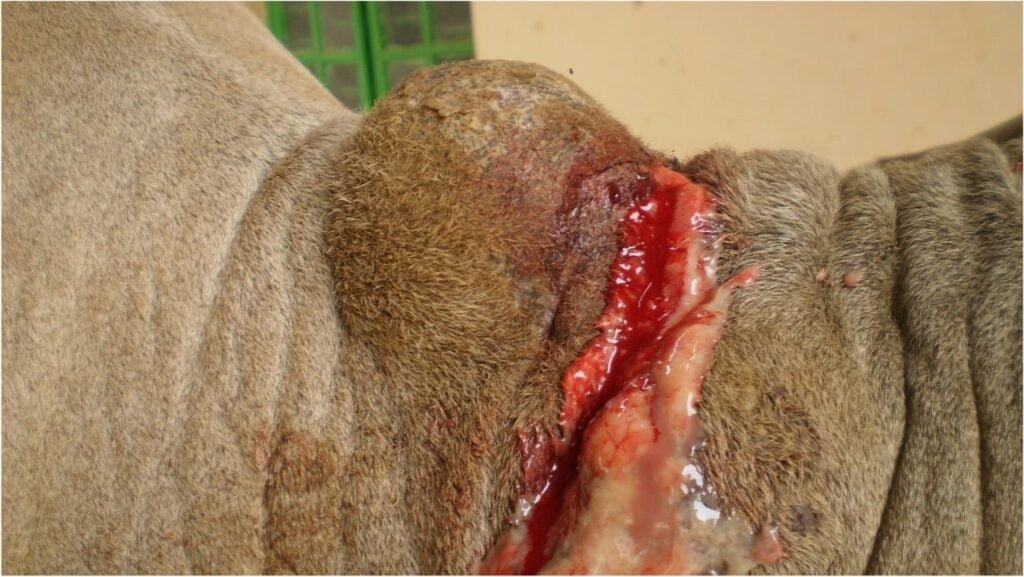
Abscess Abscess in animals are circumscribed collections of purulent material (pus) in a cavity, found in several species of animals (Cattle, Goat, Sheep, Buffalo, Dog, Cat, Horse, Poultry etc.) in a variety of locations. This purulent inflammation is usually caused by one of four pyogenic (pus producing) bacteria: Corynebacterium, Pseudomonas, Streptococcus and Staphylococcus. Parts of
Haemostatic Techniques The important Haemostatic Techniques used to control local Haemorrhage include; application of pressure, instruments, ligatures; thermal cauterisation and haemostatic agents to aid coagulation. 1. Digital Pressure Pressure applied to a vessel proximal to the bleeding site by the fingers of an assistant. The digital compression is less traumatic to the intima of the

Haemorrhage means escape of blood from an artery, vein or capillary to extravascular space, its management is very essentials as it leads the Hypovolemic shock to the animal.
Types of Intravenous Fluids Types of Intravenous Fluids are Crystalloid, Colloids, Blood and blood products. Crystalloid Crystalloid are Dextrose or electrolyte solutions increase intravascular and interstitial fluid volume: Isotonic .9% NaCl, lactated Ringers Hypotonic (5% dextrose in water, 45% NaCl). Colloids Do not diffuse easily through capillary walls Fluids stay in vascular compartment; increase osmotic
Shock and its Management A recent veterinary textbook defines shock as “the clinical state resulting from an inadequate supply of oxygen to the tissues or an inability of the tissues to properly use oxygen.” This deprives the organs and tissues of oxygen (carried in the blood) and allows the buildup of waste products. Shock also
Surgical Risk and Judgement Classification of Physical status of the Animal It reflects an attempt to define the condition of the animal and thereby surgeon becomes alert to problems which may occur during anaesthesia and surgery. Physical status may be of- Surgical Risk The term surgical risk is used to describe the animal’s potentiality for
Surgical Asepsis and Antisepsis Surgical Asepsis (Sterile Technique) Aseptic technique is defined as methods and practices that prevent cross contamination in surgery. Microorganisms have access to the inner tissues, whenever dermal integrity is disrupted, such as during surgery. The bacteria that contaminate surgical wounds generally originate from the operating room personnel, and from the environment.
Tenets of Halsted There are eight tenets of Halsted, also known as the Principles of Halsted or Surgery. These are acronyms for GAACOMTI– Any medical or surgical procedure is done for some purpose. Here are the goals and objectives of surgery–