
Diabetes Mellitus in Dogs
Veterinary MedicineDiabetes Mellitus in dogs classified as either type I or type II, is a generally treatable condition caused by insulin deficiency.
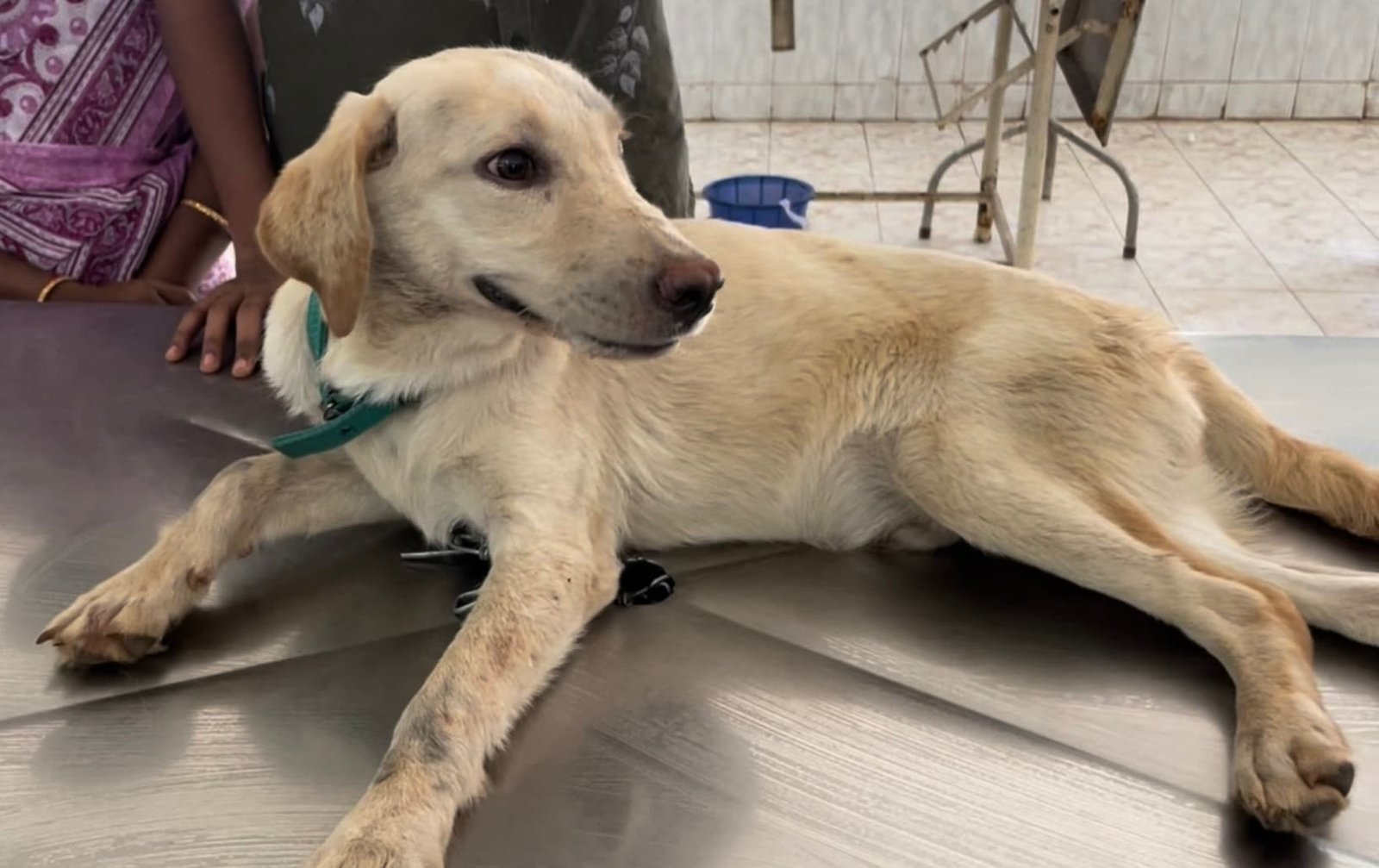
Diabetes Mellitus in dogs classified as either type I or type II, is a generally treatable condition caused by insulin deficiency.
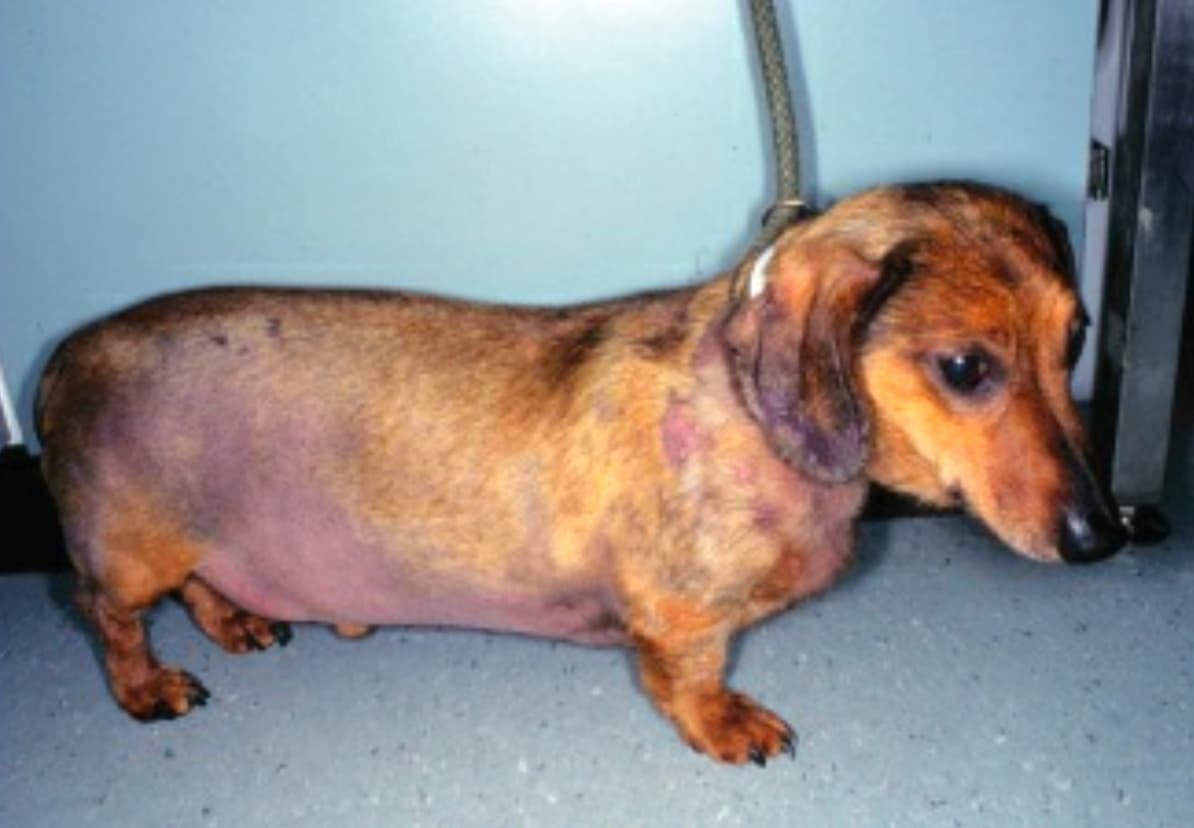
Hypothyroidism in dogs is one of the more common canine endocrine disorders, but there is a tendency for it to be over diagnosed, and an understanding of the clinical signs and diagnostic tests is essential.

Sporadic Acute Exertional Rhabdomyolysis in Horses is a most common cause is performing exercise of unaccustomed intensity or duration, which can result in metabolic exhaustion and hyperthermia.
Sporadic Acute Exertional Rhabdomyolysis in Horses Read More »

Pathogenesis of Osteodystrophia fibrosa is similar to osteomalacia, but it differs in that soft, cellular and fibrous tissue is laid down as a result of the weakness of the bone.

Nutritional Hemoglobinuria is a metabolic disease of high producing dairy cows and buffaloes characterized by intravascular hemolysis, hemoglobinuria and anemia.
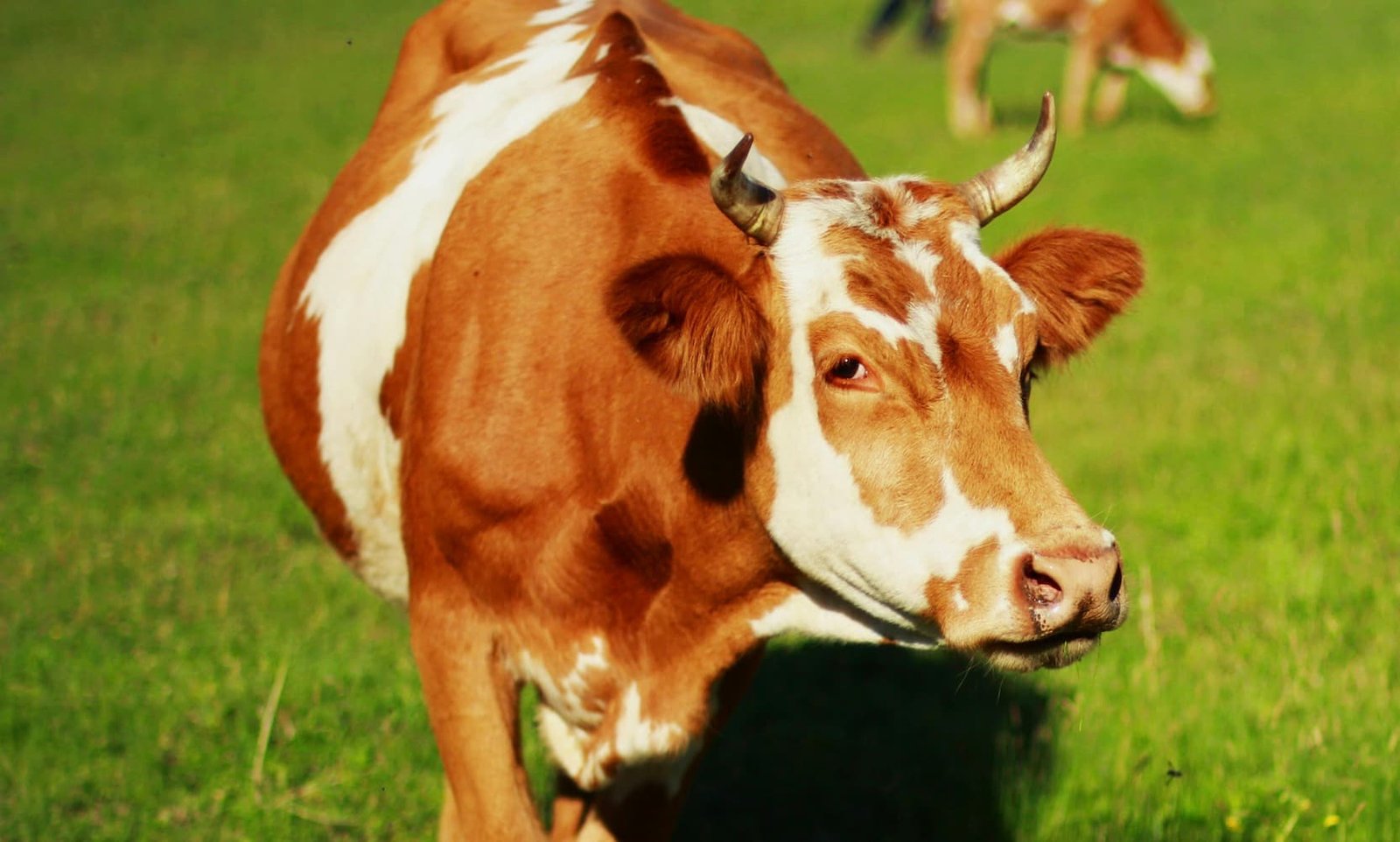
Hypomagnesemia in Cattle is a complex metabolic disturbance by reduced concentration of magnesium in blood and CSF, which lead to hyper-excitability, muscular spasms, convulsions, respiratory distress, collapse, and death.

Neonatal Hypoglycemia also known as baby pig disease. It is a common cause of death in newborn piglets. It can occur when piglets don’t get enough milk.

Pregnancy toxemia in sheep is multi factorial disorder of energy metabolism. Hypoglycemia and hyperketonemia are the primary metabolic disturbances in pregnancy toxemia.

Bovine Ketosis is a multifactorial disorder of energy metabolism. Negative energy balance results in hypoglycemia, ketonemia (the accumulation in blood of acetoacetate, β- hydroxybutyrate (BHB) and their decarboxylation products acetone and isopropanol) and ketonuria.

Downer cow syndrome (DCS) is a complication of the recumbency associated with milk fever but not limited to. A delay of 4 hour or more in that treatment of cows with milk fever may result in ischemic necrosis of the muscles of the pelvic limbs and further complication that make animal recumbent with disorders for unlimited period of time.